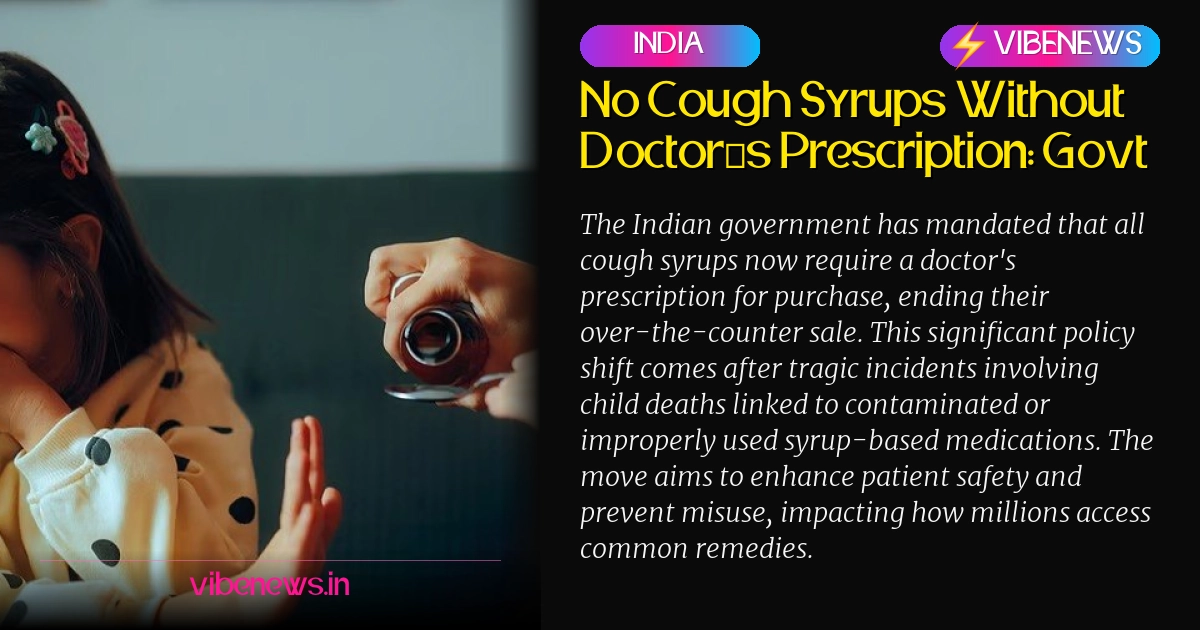

The Indian government has implemented a significant regulatory change, mandating that all cough syrups can no longer be sold over the counter and now require a doctor's prescription for purchase. This directive marks a pivotal shift in how common remedies are accessed, prioritizing public health and patient safety above convenience.
This crucial decision follows a series of tragic incidents, notably the deaths of children in Madhya Pradesh and Rajasthan in 2025. Investigations into these cases revealed that the consumption of certain cough syrups led to severe health complications, including organ failure, ultimately resulting in fatalities. These incidents underscored critical concerns regarding the quality, appropriate use, and potential misuse of syrup-based medications available without medical supervision.
For decades, cough syrups have been a staple in Indian households, readily available at pharmacies for minor ailments. The new regulation fundamentally alters this long-standing practice, compelling individuals to consult a registered medical practitioner before acquiring these liquid formulations. This measure aims to ensure that patients receive an accurate diagnosis and the most appropriate treatment, thereby minimizing risks associated with self-medication or the use of potentially harmful products.
The move reflects a broader commitment by the Health Ministry and drug regulators to tighten oversight on pharmaceutical products. While the immediate focus is on cough syrups, the directive broadly covers all syrup-based medicines, indicating a wider regulatory tightening under the Drugs and Cosmetics Act. This comprehensive approach seeks to address systemic vulnerabilities in the drug supply chain and consumer access.
Experts suggest that requiring prescriptions will help curb the indiscriminate use of antibiotics often found in some cough syrup formulations, contributing to the growing problem of antimicrobial resistance. It also provides an opportunity for doctors to educate patients on proper dosage, potential side effects, and interactions with other medications, which is often overlooked during over-the-counter sales.
The pharmaceutical industry and pharmacies will need to adapt swiftly to these new guidelines. Pharmacists, who previously dispensed these medicines freely, must now verify prescriptions, adding an extra layer of scrutiny to the sales process. This change will likely lead to increased foot traffic at clinics and hospitals as patients seek medical consultations for even minor coughs.
For the average consumer, this means a change in routine. A simple cough will now necessitate a doctor's visit, potentially incurring consultation fees and time. However, health authorities argue that these inconveniences are a small price to pay for enhanced safety and the prevention of serious health outcomes, especially among vulnerable populations like children.
This regulatory intervention is a proactive step to prevent future tragedies and build greater trust in the pharmaceutical ecosystem. It underscores the government's resolve to enforce stricter quality control and responsible dispensing practices. The long-term impact is expected to include a reduction in adverse drug reactions and a more informed public regarding medication use.
Going forward, public awareness campaigns will be crucial to inform citizens about the new requirements and the underlying reasons for this policy shift. The success of this mandate will depend heavily on its effective implementation across the country and the cooperation of both medical professionals and the general public in adhering to the new norms.
TL;DR
- The Indian government has mandated that all cough syrups now require a doctor's prescription for purchase.
- Over-the-counter sales of these medications are officially prohibited.
- This policy change was prompted by tragic child deaths in Madhya Pradesh and Rajasthan in 2025.
- These incidents involved organ failure linked to the consumption of certain syrup-based medicines.
- The directive aims to enhance patient safety, prevent misuse, and ensure proper medical supervision.
- Consumers must now consult a doctor to obtain a prescription for cough syrup and other syrup-based medications.
- This move signifies a broader tightening of drug regulations under the Drugs and Cosmetics Act to protect public health.