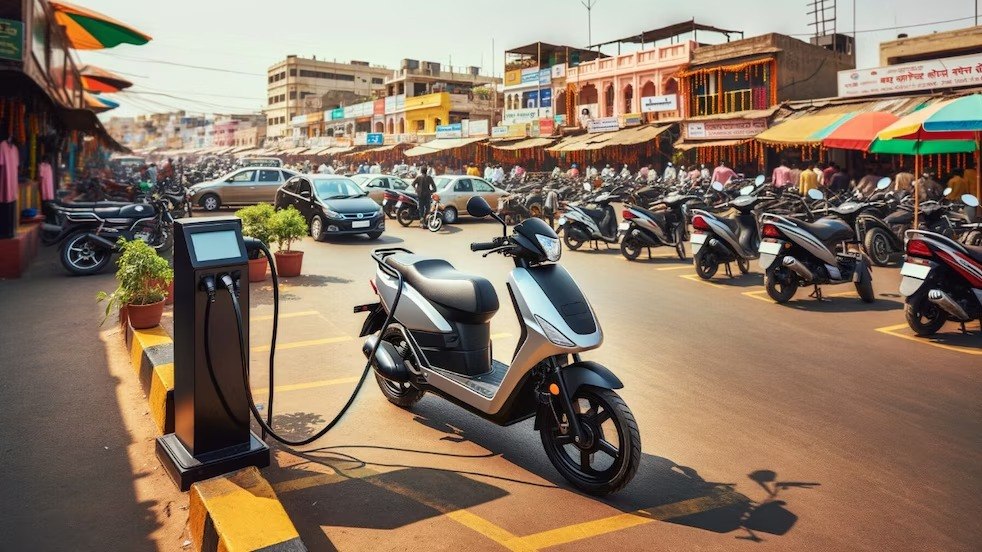
The Delhi government has approved a sweeping new Electric Vehicle Policy 2.0, setting a firm deadline for the transition to electric two-wheelers. From April 1, 2028, only electric models will be eligible for new registrations in the capital, marking a significant shift away from petrol and CNG-powered two-wheelers.
This ambitious policy, greenlit by the Delhi Cabinet, takes effect on July 1, 2026, and will remain active until March 31, 2030. Its primary objective is to accelerate the adoption of zero-emission vehicles across the city, directly addressing Delhi’s persistent and severe air pollution challenges. The government anticipates this initiative will generate substantial economic benefits and investments, estimated at around Rs 15,000 crore over the next four years.
The transition will unfold in phases, with two-wheelers representing a major segment of this shift. Earlier, electric autorickshaws and N1 category goods carriers will face their own deadline, with only electric models in these segments becoming eligible for registration from January 1, 2027. The subsequent move for two-wheelers in April 2028 represents one of the most impactful policy interventions in India’s vast two-wheeler market, given Delhi’s status as a major consumer base.
To encourage early adoption and ease the transition for consumers, the policy introduces a tiered system of financial incentives for electric two-wheelers. Buyers will receive a subsidy of Rs 30,000 during the first year of the policy’s implementation. This incentive will adjust to Rs 20,000 in the second year and Rs 10,000 in the third year, progressively reducing as the market matures and adoption grows. Similar incentives have been extended to other vehicle categories, including up to Rs 50,000 for electric three-wheelers and a substantial Rs 1 lakh for electric N1 goods vehicles.
Beyond direct purchase subsidies, the Delhi EV Policy 2.0 also incorporates attractive scrappage incentives. Owners looking to replace older internal combustion engine vehicles with new electric alternatives can benefit significantly. For instance, owners of BS-IV or older four-wheelers are eligible for a scrappage incentive of up to Rs 1 lakh. Incentives across other vehicle segments range from Rs 5,000 to Rs 1 lakh, all credited directly to beneficiaries’ bank accounts, ensuring transparency and efficiency.
A cornerstone of the new policy is the aggressive expansion of charging infrastructure across the city. The government has committed to installing over 32,000 public charging points throughout Delhi by the end of the policy period. This extensive network aims to alleviate range anxiety and make electric vehicle ownership more practical and convenient for residents. Furthermore, land has already been identified for these charging stations, and a dedicated online portal is planned to streamline the application process for various incentives.
Electric passenger vehicles also receive a boost under the new framework. Battery electric cars priced up to Rs 30 lakh will enjoy exemptions from both road tax and registration charges, significantly lowering their upfront ownership costs. However, the policy maintains a clear focus on fully electric mobility, explicitly excluding hybrid vehicles from any incentives. This strategic choice underscores the government’s commitment to pure zero-emission transport solutions.
The financial outlay for this ambitious policy is substantial. Of the projected Rs 15,000 crore in investments and economic benefits, approximately Rs 7,000 crore has been specifically allocated for purchase incentives. The remaining Rs 8,000 crore will be channelled into developing the crucial charging infrastructure and providing tax concessions. This balanced investment strategy aims to stimulate both demand and supply within the EV ecosystem.
With the April 1, 2028 deadline now officially established, manufacturers, dealers, and consumers have just under two years to adapt to this transformative change. Delhi is positioning itself as one of the first major Indian cities to mandate an all-electric future for new two-wheeler registrations, setting a precedent for urban mobility and environmental sustainability in the country. This policy represents a bold step towards a cleaner, greener future for the capital, impacting daily commutes and the automotive industry alike.
TL;DR
- Delhi’s new EV Policy 2.0 mandates that only electric two-wheelers can be newly registered from April 1, 2028.
- The policy comes into effect on July 1, 2026, and will run until March 31, 2030, aiming to combat air pollution and boost EV adoption.
- Financial incentives for electric two-wheelers include subsidies of Rs 30,000 (first year), Rs 20,000 (second year), and Rs 10,000 (third year).
- Scrappage incentives are available for owners replacing older internal combustion engine vehicles with new electric ones, offering up to Rs 1 lakh for BS-IV or older four-wheelers.
- The policy plans for over 32,000 public charging points across Delhi by 2030 to support the growing EV fleet.
- Electric passenger cars up to Rs 30 lakh will be exempt from road tax and registration charges, though hybrid vehicles receive no incentives.
- The government expects the policy to generate Rs 15,000 crore in investments and economic benefits, with Rs 7,000 crore for incentives and Rs 8,000 crore for infrastructure and tax concessions.