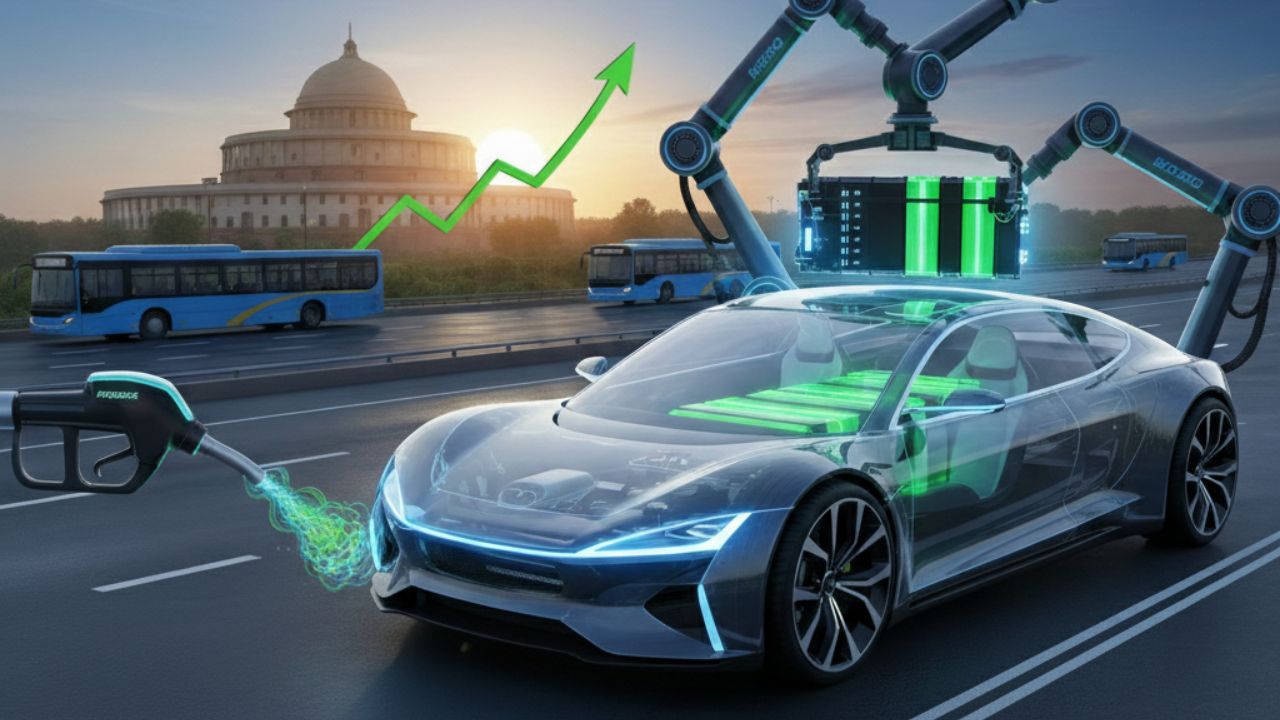
The Union Budget 2026-27 advances India's clean fuel transition with the announcement of phased blending of Compressed Bio-Gas (CBG) into Compressed Natural Gas (CNG) and Piped Natural Gas (PNG), building on the successful ethanol blending in petrol program. This follows the nationwide rollout of 20% ethanol-blended petrol (E20) from April 1, 2025, demonstrating a consistent push towards sustainable alternatives. The CBG blending initiative seeks to reduce dependence on fossil fuels, lower carbon emissions, enhance energy security by cutting natural gas imports, and increase farmer incomes through utilization of agricultural waste for biogas production. No specific blending percentages, timelines, or dedicated allocations were outlined, indicating a gradual implementation approach.
Benefits extend to environmental improvements through reduced greenhouse gases, economic gains for rural communities via additional revenue streams from crop residues and organic waste, and overall contribution to net-zero goals. The budget complements this with expansion of the electric vehicle ecosystem, including support for manufacturing and charging infrastructure, plus a payment security framework for e-buses. Duty exemptions for battery production materials further bolster clean mobility. Industry reactions not detailed but expected positive from auto and energy sectors. Broader context includes ongoing efforts like green hydrogen and previous ethanol success reducing petrol imports. In my view, logical progression clean fuels—CBG vibe circular economy turning waste asset benefiting farmers environment energy independence. Hoping clear roadmaps incentives accelerate adoption meaningful impact emissions rural livelihoods.
TL;DR
- Phased blending Compressed Bio-Gas CBG CNG PNG similar ethanol petrol.
- Follows E20 nationwide rollout April 1 2025.
- Reduce fossil fuel dependence cut emissions lower natural gas imports.
- Boost farmer income agri-waste utilisation.
- No specific targets timelines percentages detailed phased approach.
- Benefits environmental farmer energy security.
- Expands EV ecosystem manufacturing charging infrastructure e-bus payment security.
- Duty exemptions battery production materials.
- Broader clean fuel push green hydrogen context.
- Logical progression sustainable alternatives.
/filters:format(webp)/english-betterindia/media/media_files/2026/04/14/hydrogen-gas-stove-2026-04-14-13-07-10.png)