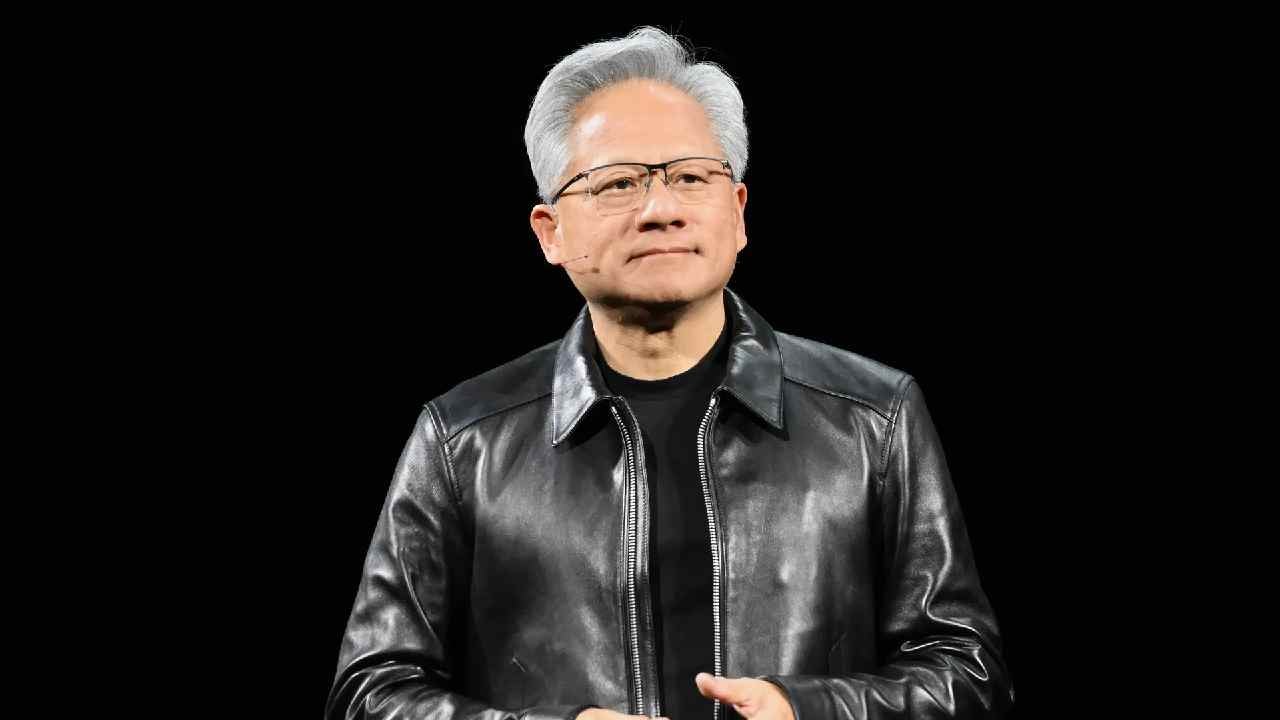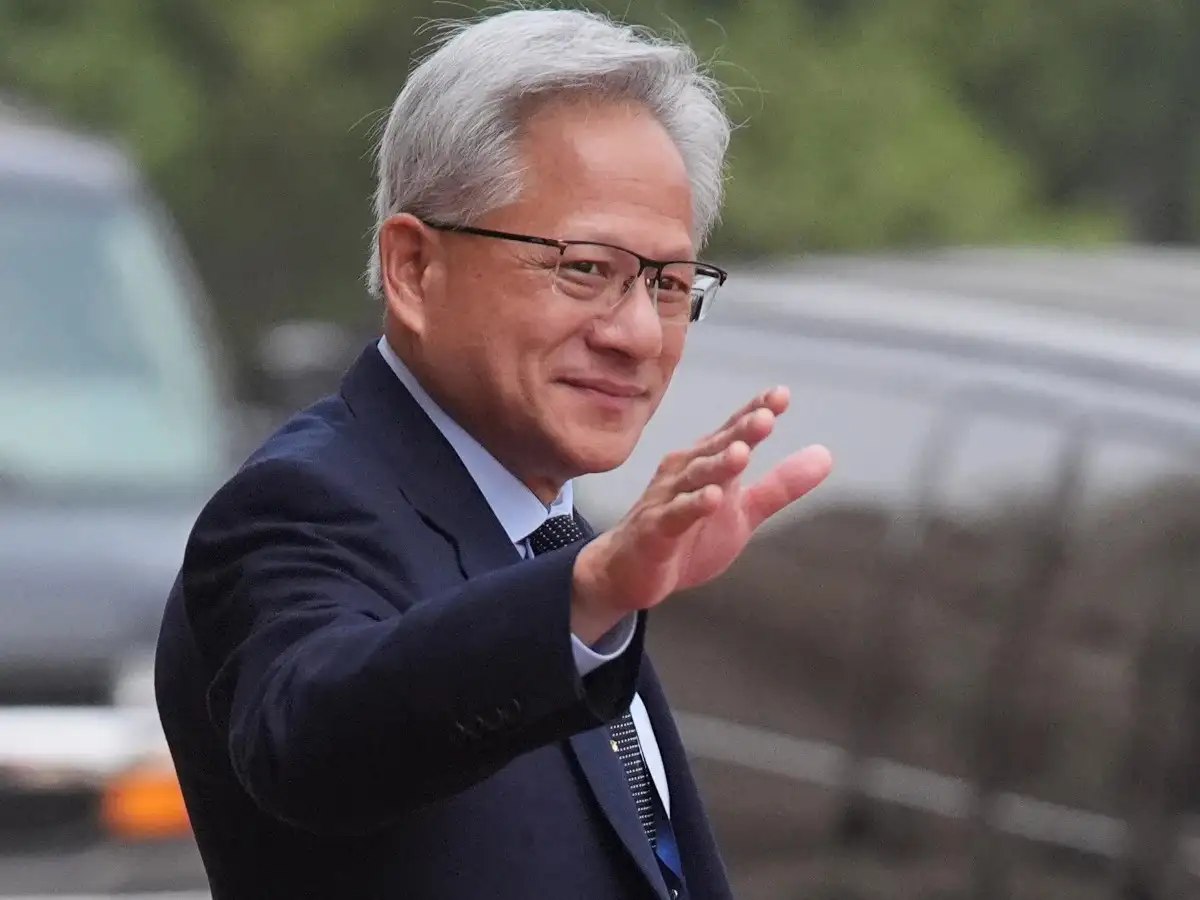
Nvidia has brought back Jensen Huang as chief executive, six days after its board said it would not reinstate him. Shares in the chipmaker jumped around 30% in early trading on Monday after the news broke.
Huang had resigned amid a personal and geopolitically charged scandal. For the past week, the tech world and markets had been asking whether Nvidia, or even the AI boom, could function without its founder. The market’s answer, at least for now, was a resounding no.
Why the reversal matters for governance
The episode raises a harder question about the power founders hold at the world’s largest technology companies. The column behind this coverage argues that founder control has become a structural weakness, not a minor governance detail.
Mark Zuckerberg controls most of the voting power at Meta through the company’s share structure. Anthropic’s founders enjoy similar control following its recent IPO. SpaceX’s IPO filing acknowledges that the loss of Elon Musk could disrupt its management and strategy. When one person wields that kind of power, the question is who can meaningfully push back.
Boards that are formally independent may still be shaped by the founder’s influence and the belief that the founder is indispensable. Nvidia’s board first said it would not bring Huang back, then reversed that decision. The commentary notes that the board now faces a difficult balancing act, with employees, investors, political leaders and markets all pressing for the return of the person it had just removed.
Politics and national security in the background
Donald Trump urged Nvidia to bring Huang back. The company says its board consulted senior US government officials before concluding that Huang’s return posed no national security risk. That account does not prove any deal between Washington and Nvidia, but it shows how closely business, politics and national security are now intertwined in the AI race.
US authorities suspect that a woman with whom Huang had a relationship had links to Chinese intelligence. These remain allegations. There is no public proof that Beijing engineered the relationship or deliberately exploited American workplace norms.
What happens next
The board’s investigation is continuing. Nvidia says it will strengthen national-security and export-control oversight. Whether those measures create independent checks with real authority, or simply return the company to business as usual, is the question investors will be watching.
Key Facts
Nvidia’s board ruled out reinstating Jensen Huang six days before reversing course.Nvidia shares surged around 30% in early trading on Monday after the news broke.Huang had resigned amid a personal and geopolitically charged scandal.The board says it consulted senior US government officials before concluding his return posed no national security risk.Nvidia says the board’s investigation is continuing and it will strengthen national-security and export-control oversight.Did Nvidia’s shares recover after the announcement?
Shares surged by around 30% in early trading on Monday after news of Huang’s return broke, according to the source report.
Why does Huang’s return matter beyond Nvidia?
The commentary argues the episode exposes how much the AI boom depends on one person, and how weak board oversight can be when founders are seen as indispensable.
TL;DR
- Nvidia reinstated Jensen Huang as CEO six days after its board ruled out his return.
- Shares jumped around 30% in early trading on Monday after the news broke.
- Huang had resigned amid a personal and geopolitically charged scandal.
- The board says it consulted senior US government officials before deciding his return posed no national security risk.
- The board’s investigation is ongoing, and Nvidia says it will strengthen export-control oversight.
- The episode renews questions about founder power at Big Tech firms and dependence on individuals in the AI boom.
Frequently asked questions
Why did Nvidia shares jump after Huang’s return?
Nvidia shares surged by around 30% in early trading on Monday after the news broke that Jensen Huang was returning as CEO, six days after the board had ruled that out.
Did Nvidia’s board consult US officials?
Yes, the company says its board consulted senior US government officials before concluding that Huang’s return posed no national security risk.