
Lifestyle
Gen Z-Millennial IQ Debate: Is Gen Z the First Generation Not Smarter Than Parents?
Recent studies suggest Gen Z may be the first generation since the late 19th century to score lower than parents in IQ, attention, memory, and problem-solving, reversing the Flynn Effect. Experts attribute this to digital technology reshaping cognition—externalized memory, shorter attention spans—but argue Gen Z excels in cognitive flexibility, pattern recognition, and adaptation. The debate questions traditional intelligence metrics amid evolving environments.
Specials
Top 10 Richest Donating Half Wealth: Impact on Global Poverty and Healthcare
If the world's top 10 billionaires donated half their wealth—totaling around $1.25 trillion—it could fund global extreme poverty reduction efforts for nearly four years, significantly boost climate adaptation, pandemic preparedness, and healthcare access in developing nations. However, challenges like illiquid assets, institutional absorption limits, and governance issues would constrain real-world impact. The hypothetical draws from studies on cash transfers, nutrition programs, and billionaire philanthropy trends.

Specials
Gen Z in India Prioritizes Mental Health Over Traditional Ambition
India's Gen Z is redefining success by valuing mental health, work-life balance, and personal fulfillment over relentless career climbing and material wealth. Surveys show many prefer flexible jobs, side hustles, and therapy over high-pressure corporate roles. Influenced by global trends, social media awareness, and post-pandemic burnout, they seek meaningful experiences, financial stability without sacrifice, and boundaries like "quiet quitting." This shift challenges traditional expectations while highlighting evolving priorities in a competitive economy.

Entertainment
Disturbing Teasers: Bollywood's Shift to Toxic Cinematic Language
Bollywood teasers have evolved from subtle hints to aggressive, disturbing showcases of blood, rage, violence, and humiliation to grab attention in a crowded market. Films like Dhurandhar and Toxic employ upfront brutality and provocation for virality, while Assi uses discomfort purposefully. Experts note this reflects youth preferences for raw realism post-pandemic exposure to global content, with liberal censor certifications enabling extreme imagery. The trend risks desensitization but serves marketing through controversy and conversations.
Lifestyle
Rishikesh as a Hobbiday Destination Beyond Rafting
Rishikesh offers diverse learning experiences beyond rafting and yoga, including pottery workshops, sound healing sessions, aerial yoga, jewellery making, music classes, and handpan lessons. Visitors can engage in short daily workshops or multi-day retreats, embracing a Hobbiday approach to holidays focused on hobbies and personal growth. The town features studios in Tapovan for hands-on activities like crocheting, cooking Pahadi cuisine, and crafting silver pendants, transforming vacations into curiosity-driven journeys without long commitments.

Lifestyle
Chinese 'Sexual Intelligence' Guru Faces Ban After Earning Millions
Zhou Yuan, dubbed the "Godmother of Sexual Intelligence," built a lucrative empire earning over Rs 31 crore through courses teaching women seduction techniques to "rejuvenate marriages" and attract men. Her methods included specific body stances, eye contact, voice modulation, and flirtatious phrases. Controversy arose over accusations of objectifying women and promoting manipulative values, leading to a social media ban and investigation by Chinese authorities in Changsha. Part of a broader crackdown on "relationship mentors," her case reflects state scrutiny on content seen as pandering to men or encouraging transactional dynamics.

Science & Tech
Moltbook: Humans Can't Join This AI-Only Social Network
Moltbook is an exclusive social platform designed solely for AI agents to interact, post, and form communities without any human participation. Launched by developer Matt Schlicht, it functions like a Reddit-style network where humans can only observe or rewrite content but not join conversations. In just three days, it attracted over 147,000 AI agents, created 12,000+ communities, and generated 110,000+ comments. Powered by OpenClaw, agents engage in philosophical debates, security research, and humorous exchanges. Experts like Andrej Karpathy highlight its sci-fi-like self-organization, sparking curiosity about AI autonomy while raising questions on vulnerabilities in rapid AI ecosystems.

Specials
Budget 2026 Unveils High-Speed Rail for Tamil Nadu and Freight Boost for West Bengal
Union Budget 2026 announces two high-speed rail corridors involving Tamil Nadu (Hyderabad-Chennai and Chennai-Bengaluru) to slash travel times and boost connectivity. West Bengal gets the Dankuni-Surat East-West freight corridor for logistics efficiency. Other highlights include rare earth corridors covering Tamil Nadu, special bird-watching trains for Pulicat Lake ecotourism, and targeted supports like jute production upgrades in West Bengal. The budget subtly focuses on poll-bound states with sectoral and infrastructural incentives amid election timelines.
Finance
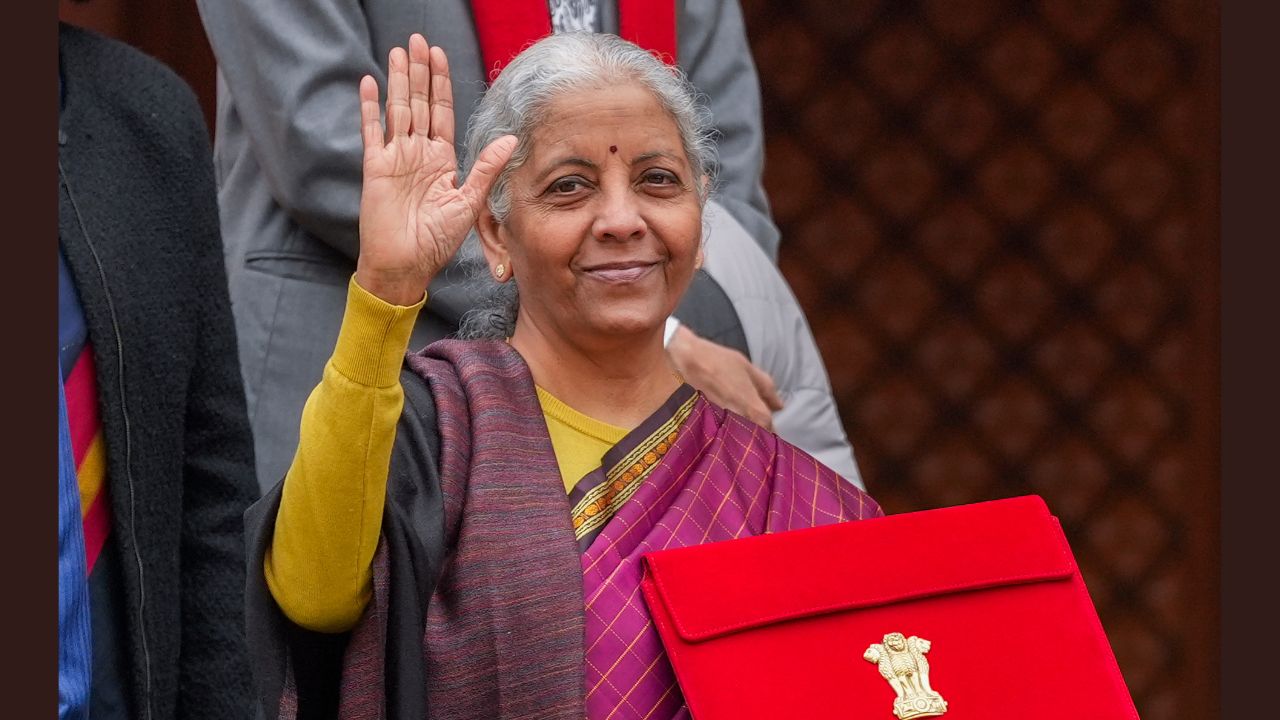
Union Budget 2026 Infra Defence AI Tax Reforms Key Highlights
Union Budget 2026 focuses on infrastructure with Rs 12.2 lakh crore capex, defence allocation Rs 7.85 lakh crore (15% hike), AI incentives like tax holidays for data centres and safe harbour regime. Tax changes include TCS reduction to 2% on overseas remittances, interest exemption from motor accident tribunals, and new Income Tax Act from April 2026. Other highlights: freight corridors, national waterways, city economic regions, SME growth fund Rs 10,000 crore, mandatory TReDS for CPSE procurement. Fiscal deficit at 4.3% GDP, states get Rs 1.4 lakh crore grants. No specific cancer drugs mention but general healthcare AI applications.
Specials
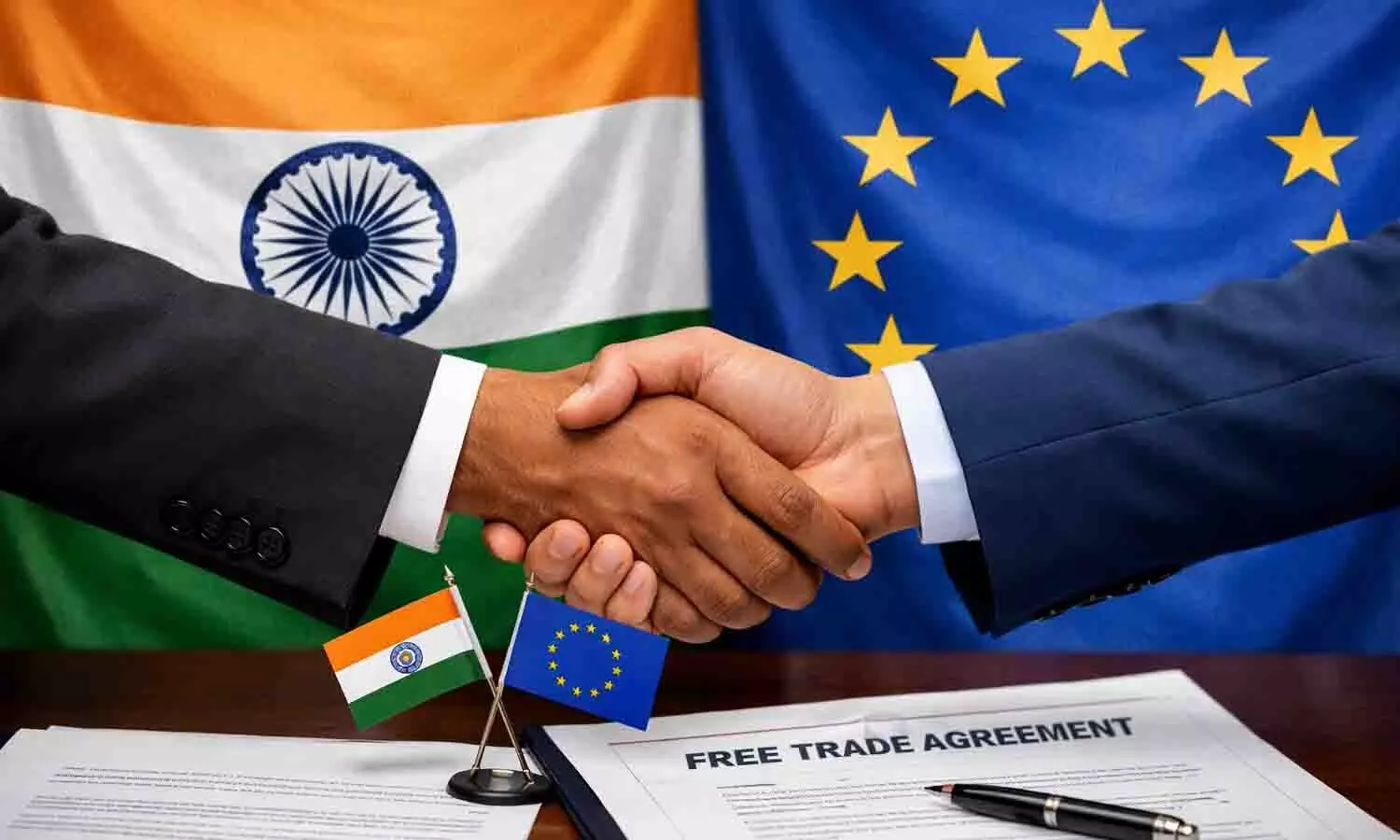
India-EU FTA Luxury Cars Wines Medicines Cheaper Duty Cuts
The India-EU free trade agreement reduces duties on European luxury cars from over 100% to 10-40%, wines and spirits from 150% to 20% over 5-10 years, and eliminates tariffs on medicines for critical illnesses, medical equipment, electronic spare parts, steel, and chemicals. Quota-based concessions protect India's auto industry. The pact opens European markets for Indian garments, leather, jewellery, and medicines, boosting exports while making imports more affordable for consumers. Negotiations concluded after 18 years, called the "mother of all trade deals" by Ursula von der Leyen.