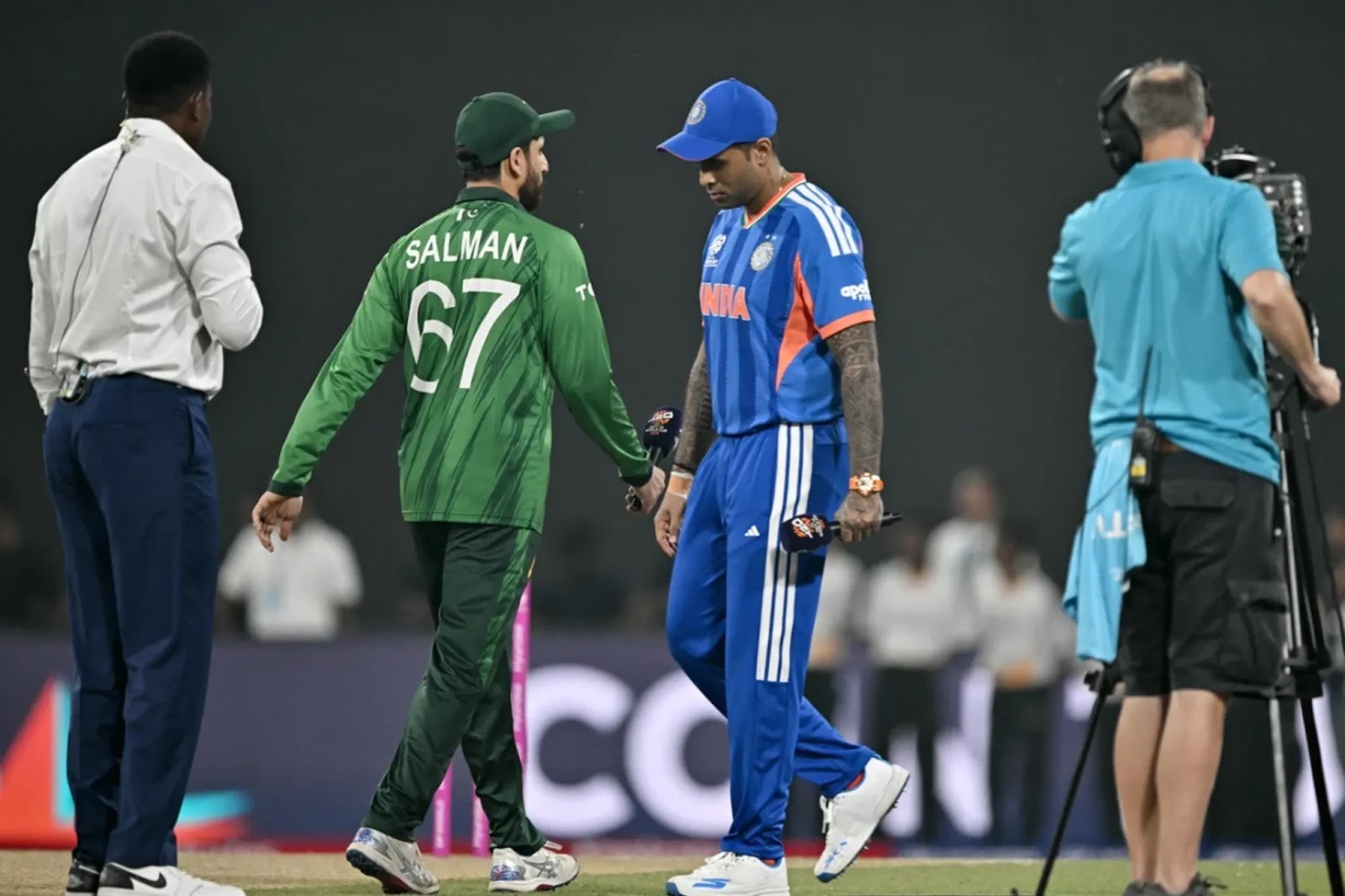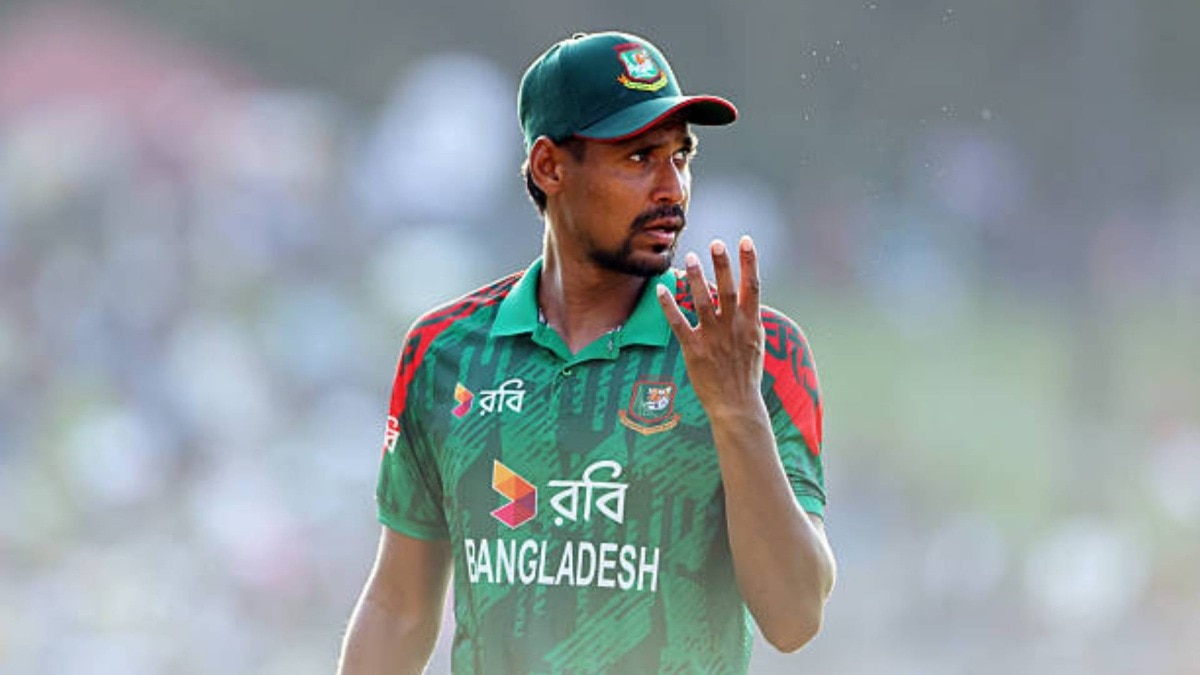
The IPL 2026 season is already stirring controversy even before the auction, as the BCCI issued a clear directive to franchises: no Bangladeshi players due to prevailing unrest and safety concerns back home. Kolkata Knight Riders, who had high hopes for star pacer Mustafizur Rahman, complied immediately, releasing him despite his proven track record in the league.
Former India player Mohammad Kaif strongly supported the call, saying player welfare must come first and no risk is worth taking with lives. Other teams with Bangladeshi stars followed suit quietly.
Fans are split down the middle—some applaud the cautionary step amid reports of targeted violence, while others argue sport should stay separate from politics and talent shouldn't suffer. Social media debates rage on whether this sets a precedent for future geopolitical influences on IPL.
The decision impacts auction strategies, with teams now scrambling for alternative overseas pacers. It also highlights the delicate balance Indian cricket maintains with neighbours amid tense relations.
As franchises adapt, the episode underscores how off-field events can reshape one of the world's biggest sporting leagues.
TL;DR
- BCCI issues directive releasing all Bangladeshi players from IPL 2026 contracts due to escalating safety concerns and reports of targeted violence against minorities in Bangladesh.
- Kolkata Knight Riders promptly release star left-arm pacer Mustafizur Rahman despite his strong previous IPL performances and high auction value for the franchise.
- Former Indian cricketer Mohammad Kaif publicly endorses the decision, stressing that player lives and personal security must always take precedence over sporting commitments.
- All IPL franchises comply with the BCCI order quietly while beginning to adjust their overseas player combinations and auction planning strategies accordingly.
- Fan reactions remain deeply divided between those who support the safety-first approach and those who believe cricket should remain completely apolitical and inclusive.
- Social media platforms see heated discussions on the potential long-term precedent this could set for geopolitics influencing future IPL player participation rules.
- Auction dynamics experience noticeable shifts as teams actively search for replacement overseas fast bowlers in an already competitive global market.
- The controversy brings to light the complex relationship between Indian cricket administration and sensitive political situations in neighbouring South Asian countries.
- No official timeline has been provided yet on whether the player restriction will extend beyond the IPL to bilateral international series or other tournaments.
- Overall incident prompts broader conversations about effectively separating cricket from real-world regional tensions while prioritising human welfare.