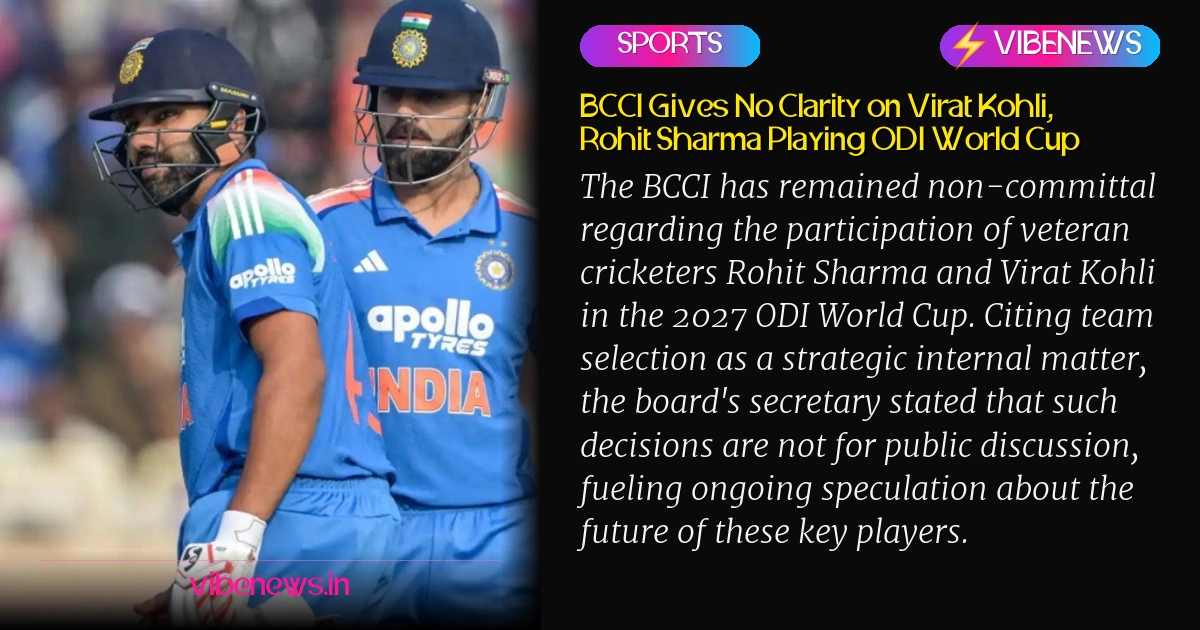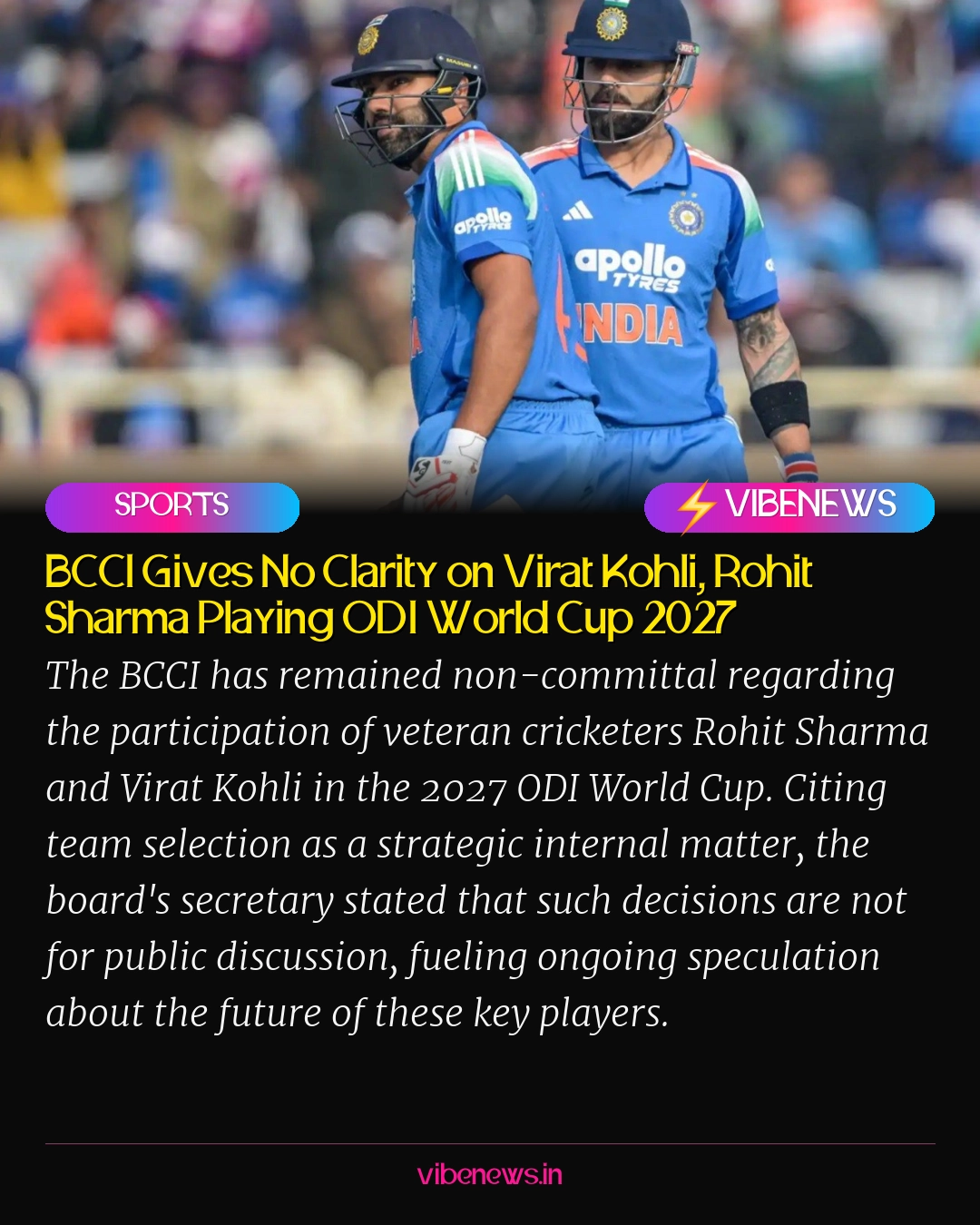
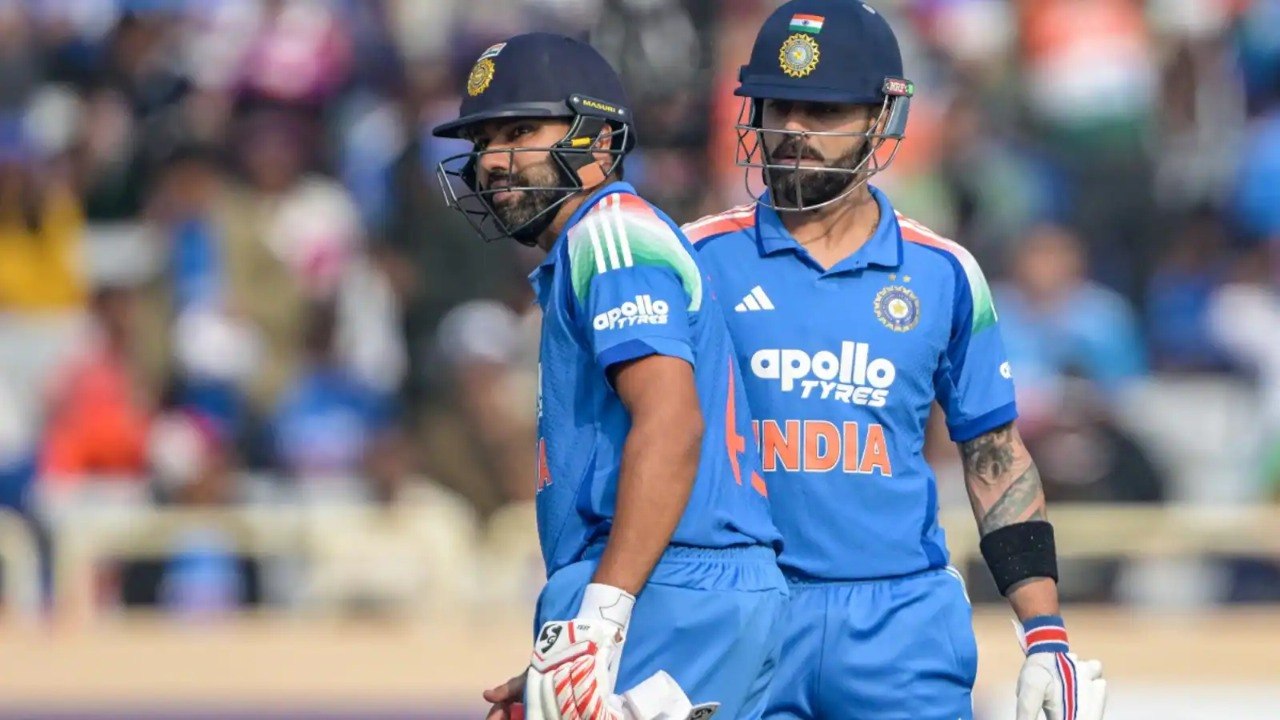
The Board of Control for Cricket in India (BCCI) has refrained from providing any definitive statement on whether star batsmen Rohit Sharma and Virat Kohli will feature in the 2027 One Day International (ODI) World Cup. This non-committal stance comes amidst growing speculation about the future of these two senior players in the national squad, particularly concerning major global tournaments.
BCCI Secretary Devajit Saikia recently addressed the media, emphasizing that matters of team selection and long-term strategic planning are strictly internal affairs of the board. He made it clear that such sensitive discussions cannot be publicly deliberated. Saikia's remarks, delivered during the ongoing ODI series against Afghanistan, have only intensified the debate surrounding Rohit and Kohli's potential involvement in the next World Cup cycle.
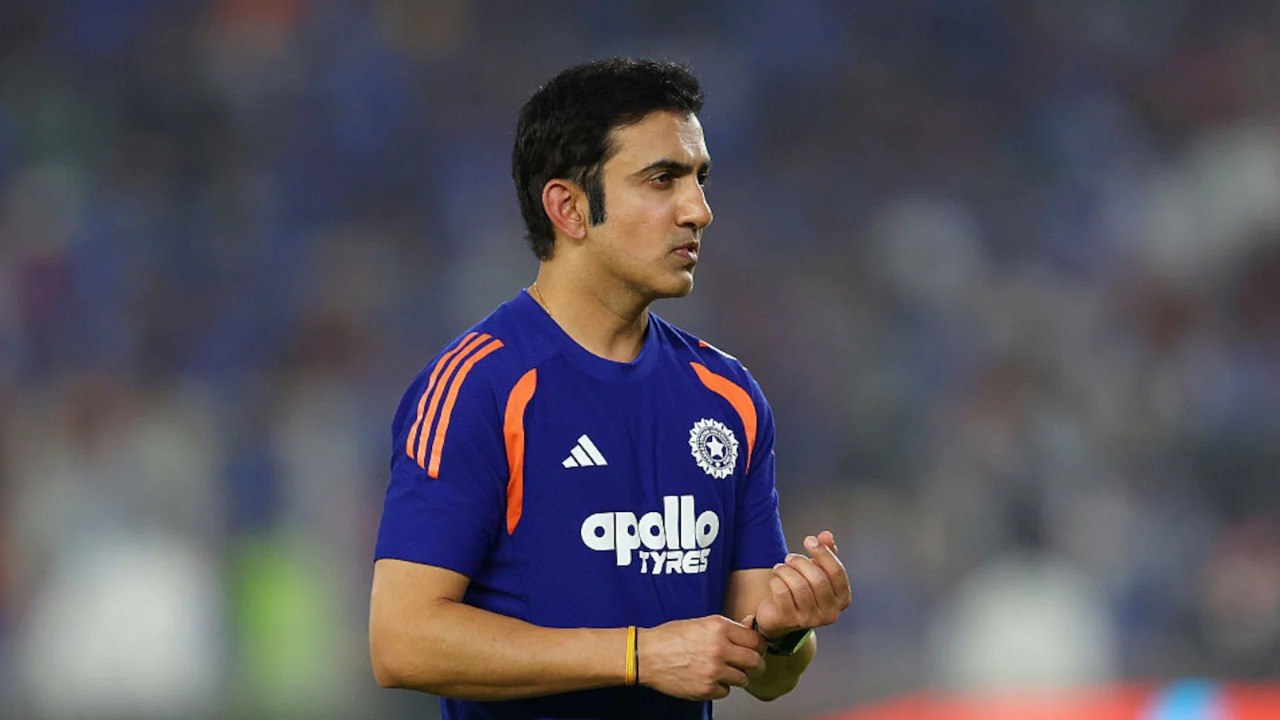
Saikia elaborated on the rigorous process involved in making crucial team decisions. He stated that a dedicated team of experts, including the Cricket Committee, national selectors, Head Coach Gautam Gambhir, and other support staff, are in constant consultation. These discussions are considered highly strategic, and therefore, he asserted, he is not authorized to disclose their details to the media. Such deliberations, he stressed, are confined to board meetings to maintain their integrity and strategic value.
By the time the 2027 World Cup arrives, Rohit Sharma will be 39 years old, and Virat Kohli will be 37. Both players have already announced their retirements from the T20 and Test formats of the game, choosing to focus primarily on ODI cricket. Reports suggest that both veterans are keen to continue playing in the 50-over format and harbor aspirations of participating in the 2027 tournament. Kohli, in particular, is noted for his exceptional fitness levels, which remain a significant asset. However, Rohit Sharma's recurring injury concerns present a potential challenge to his long-term availability and performance.
The BCCI's cautious approach reflects the complex nature of managing senior players in a highly competitive sport like international cricket. Balancing the invaluable experience and match-winning capabilities of established stars with the need to nurture young talent and build a team for the future is a perennial challenge for any cricketing board. Premature announcements could either create undue pressure on the players or limit the selectors' flexibility in adapting to evolving team requirements and player performances.
The decision regarding Rohit and Kohli's participation will have significant implications for the Indian team's composition and strategy leading up to the 2027 World Cup. Their presence would bring unparalleled experience and a proven track record in high-pressure situations, while their absence would necessitate a greater reliance on emerging talents to fill crucial roles. The board's current silence allows for a thorough evaluation of player fitness, form, and the overall team balance without external interference.
Fans and cricket pundits alike will be closely watching for any further developments from the BCCI. The board's ultimate decision will not only shape the careers of two of India's most iconic cricketers but also define the trajectory of the national team as it prepares for another shot at the coveted ODI World Cup trophy. Until then, the future of Rohit Sharma and Virat Kohli in the 2027 tournament remains a subject of intense speculation and internal strategic deliberation within the BCCI.
TL;DR
- The BCCI has not provided clarity on Rohit Sharma and Virat Kohli's participation in the 2027 ODI World Cup.
- BCCI Secretary Devajit Saikia stated that team selection and long-term strategies are internal, strategic matters not for public discussion.
- Decisions are made after consultations with the Cricket Committee, selectors, Head Coach Gautam Gambhir, and support staff.
- By 2027, Rohit Sharma will be 39 and Virat Kohli 37; both have retired from T20 and Test formats but reportedly wish to play ODIs.
- Kohli's strong fitness is noted, while Rohit's injury concerns are a factor.
- The board's non-committal stance allows for strategic flexibility and avoids premature pressure on players or selectors.
- The final decision will significantly impact the Indian team's composition and strategy for the upcoming World Cup.