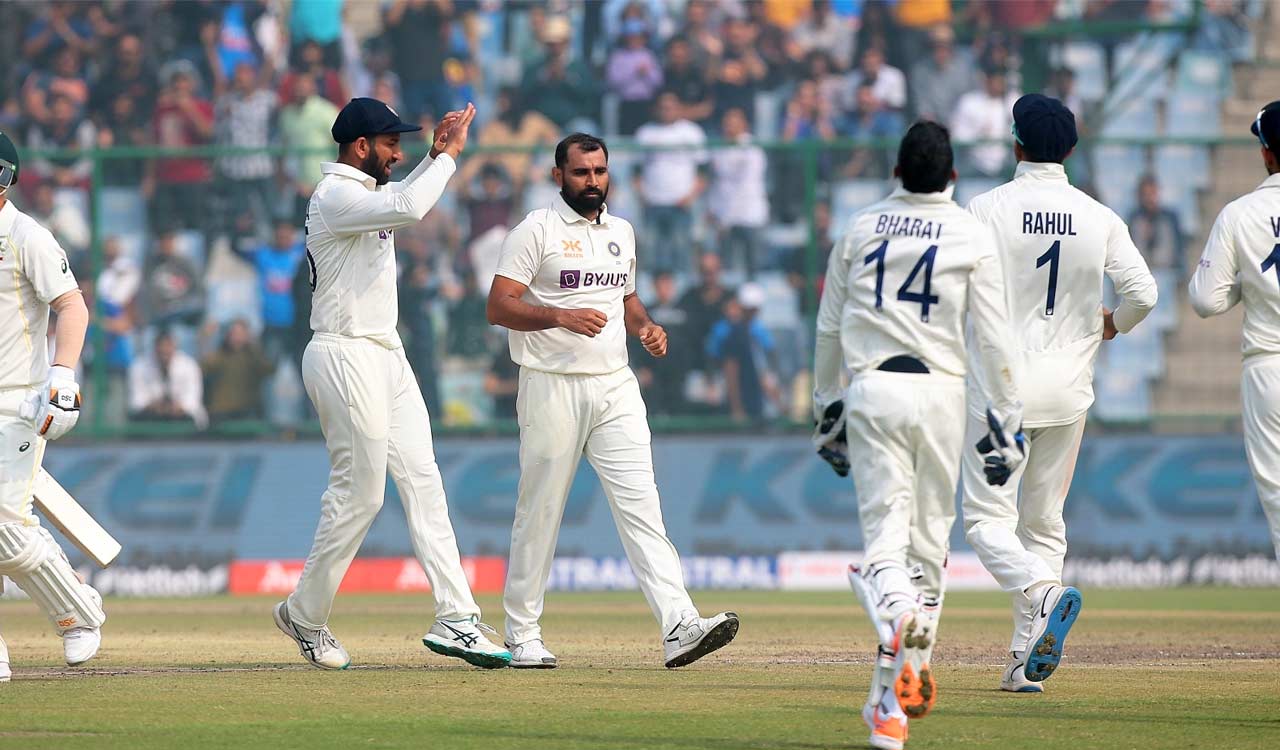

India beat New Zealand by four runs on the Duckworth-Lewis method in the second one-day international in Wellington, and the win puts them 2-0 up in the five-match series. Rain cut the contest short, and the result was settled by the DLS calculation rather than by a tidy finish on the scoreboard. For a side that needed to respond after a lost opener, that is the kind of narrow, hard-fought victory that keeps a series alive and every ball interesting.
New Zealand batted first and were bowled out for 134 in 41 overs. Daryl Mitchell was the standout with 55, and Mitchell Santner chipped in with 31. Akshar Patel, Kamboj and Nabi took two wickets each, and the wicket-taking spread across India’s attack kept the hosts under constant pressure from the start of their innings.
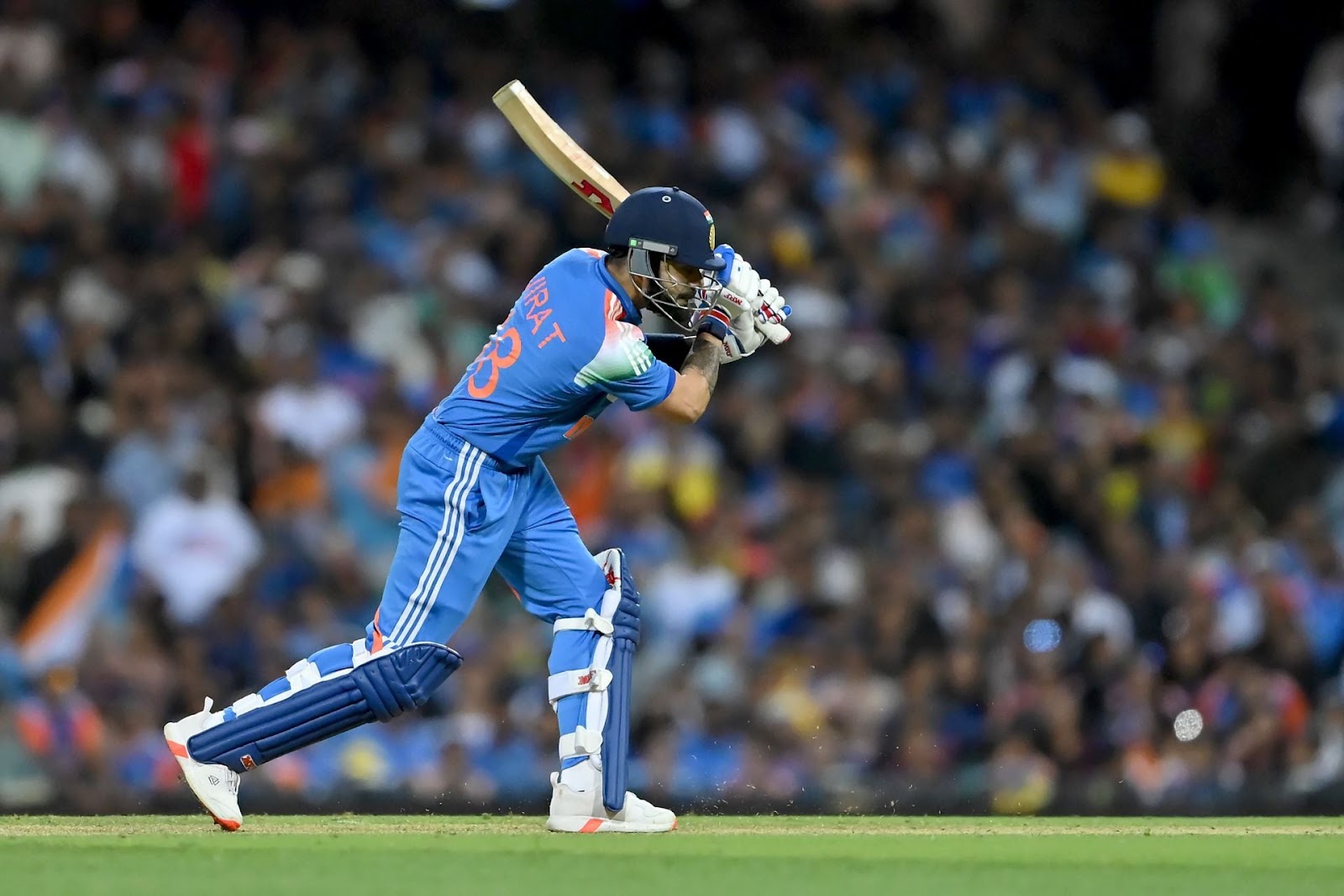
Chasing a small total did not make life easy. India stumbled on a Wellington surface that had offered the bowlers help, and their batting never looked comfortable. Rohit Sharma scored 23 and Shreyas Iyer made 30. KL Rahul stayed unbeaten on 26, holding the innings together while wickets fell around him.
Rain Turned the Chase into a Numbers Game
By the time play stopped, India were 113 for seven. Rain then interrupted the second innings, and at that point India were three runs ahead of the target set under the DLS method. Under the rules, that cushion was enough to hand India the win.
For cricket fans, the finish is a lesson in how the rain rule can change a match. The side in front on the revised target gets the result, even though the contest was far from over in terms of wickets and overs. The margin of four runs is a reminder that a few deliveries, or a single over played differently, could have flipped the outcome. New Zealand will feel that the chance was there, especially with the bowlers getting conditions they wanted.
Conditions favoured the bowlers, but New Zealand could not get over the line.
Gurnoor Brar was the man who made the difference with the ball. He took four wickets and was named Player of the Match. He troubled the New Zealand batters at a time when the hosts were looking for a platform, and his spell gave India the control they needed to keep the target within reach.
New Zealand also had some strong bowling performances to point to. Jamieson and Duffy each took three wickets, giving the visitors a reason to believe they could defend a total that looked modest on paper. The conditions suited them, but the rain and the DLS equation worked against the home side at the decisive moment.
What it means for the series. India now lead the five-match series 2-0 with three matches still to play. A side that wins three of the five games takes the series, so India have a clear path to put the contest beyond reach. New Zealand must now find a way to turn their own chances into wins, and quickly, because the margin for error is shrinking with every game.
The result also shows how fine the line is in limited-overs cricket. Rain, a revised target and a few runs can make the difference between a win and a loss, and this match delivered all three. For fans who like their cricket tense, the second ODI in Wellington had everything: a low-scoring first innings, a stop-start chase, and a result that was not decided until the rules were applied.
TL;DR
- India beat New Zealand by four runs under the DLS method in the second ODI in Wellington.
- The win gives India a 2-0 lead in the five-match series.
- Gurnoor Brar took four wickets and was named Player of the Match.
- New Zealand were bowled out for 134 in 41 overs, with Daryl Mitchell scoring 55.
- Rain interrupted the chase with India three runs ahead of the DLS target at the stoppage.