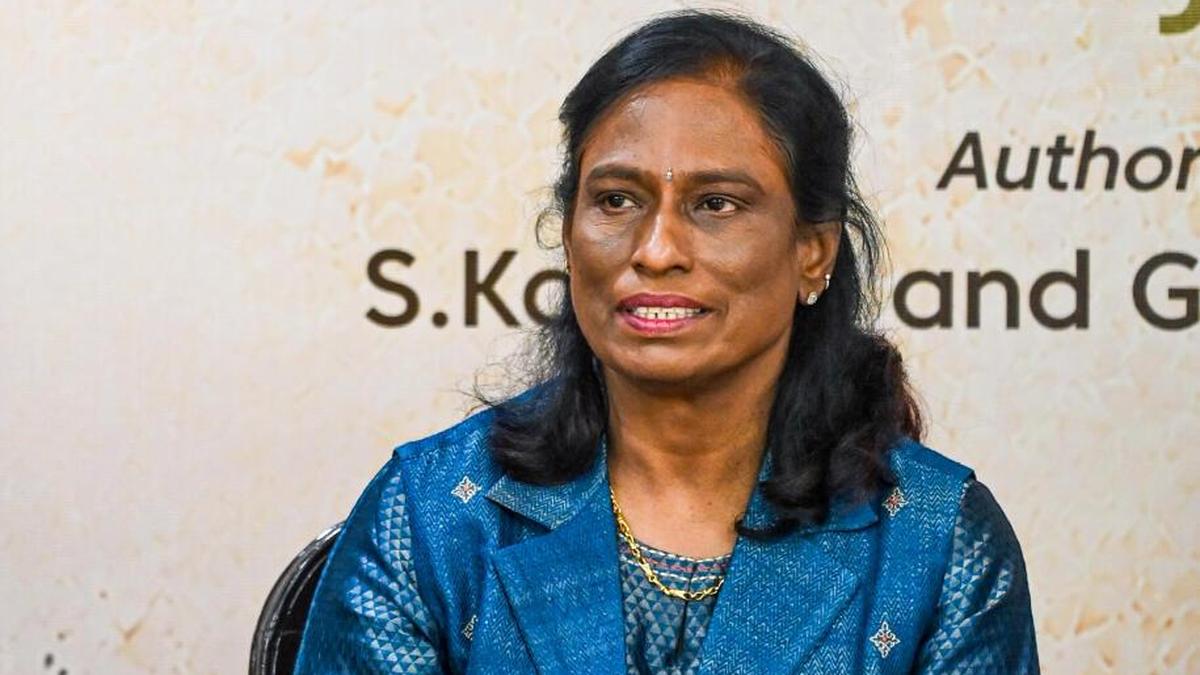
Indian Olympic Association president P.T. Usha has lodged a complaint with the Electoral Officer, alleging that former archer Dola Banerjee violated the Model Code of Conduct by circulating a WhatsApp message that solicited votes for a panel of four candidates. The election in question is for Sportspersons of Outstanding Merit (SOM), and polling is set for Monday, November 9, 2026, between 9 a.m. and 5 p.m.
The message went out through an account bearing Banerjee’s name. It backed what it called the ‘New Bharat Panel’ and asked voters to elect four named candidates. It also listed their ballot serial numbers and roll numbers, which is the detail that made Usha’s complaint sharper. A message that tells voters exactly who to pick, and where each name sits on the ballot, leaves little room for ambiguity about its purpose.
The rule at the centre of the complaint
Usha cited Clause 1.9 of the Model Code of Conduct, issued on October 30, 2026. The clause states that the promotion of a candidate shall exclude any form of publicity, including the use of new media or social networks. In her view, sending the message amounted to targeted solicitation of votes through social media, and it appeared to fall squarely within the scope of that clause.
The circulation of the message amounted to targeted solicitation of votes through social media.
The complaint is the argument Usha has put to the authorities, and it is her reading of the rule, not a finding. The Electoral Officer has not, at least in the material available, ruled on it.
Conduct clauses also invoked
Usha’s complaint did not stop at the social media provision. It also referred to Clauses 1.2 and 1.3 of the code. Those clauses require candidates to conduct their campaigns fairly, with dignity and moderation, and to show due respect to other candidates. By pointing to them, Usha is framing the issue as more than a technical breach of a publicity rule. She is arguing that the tone and method of the campaign also fell short of the standard the code expects.
What Usha wants the authorities to do
The complaint asks the election authorities to take several steps. First, it wants them to examine the communication itself. Second, it asks them to establish the circumstances under which the message was created and circulated, which means finding out who was behind it and how it reached voters. Third, it seeks an explanation from the persons concerned. If a violation is established, Usha has asked for appropriate action under the applicable election rules. She has also requested directions to ensure a level playing field for all candidates in the contest.
Those requests go beyond punishing one message. A level playing field is a broader demand, and it suggests Usha wants the authorities to address how the campaign was run, not only the single WhatsApp post.
Why the timing matters
Polling begins on November 9, and Usha has asked for urgent intervention and a decision before voting starts. That deadline is the core of the story. Any ruling that arrives after the polls open would come too late to change how the early votes were cast, and the complaint is written with that clock in mind.
A screenshot of the WhatsApp message and a copy of the Model Code of Conduct were enclosed with the complaint. Those documents give the Electoral Officer the material it would need to begin an examination without waiting for further submissions, though the source material does not say how the authorities have responded.
What the record does not yet show
The available reporting does not include a response from Dola Banerjee to the allegations. It also does not say whether the Electoral Officer has issued any notice, holding order or decision. Usha’s account is the complaint, and it should be read as her case rather than an established fact. Readers should also note that the message’s authorship and circulation are what the complaint asks the authorities to establish, which means those points remain open.
Still, the complaint is specific. It names the account, quotes the substance of the message, identifies the clauses allegedly breached and attaches the evidence. That level of detail is what will push the matter forward quickly, if the authorities choose to act before the polls close.
The bigger question for the SOM contest
The dispute sits at the intersection of two things the code is meant to protect. One is a fair contest, where candidates do not gain an edge through publicity channels that others cannot match. The other is the integrity of the voting process itself, where voters decide on the basis of the rules rather than direct appeals sent to their phones. Usha’s complaint argues that the WhatsApp message undermined both.
How the Electoral Officer responds will show how seriously such social media campaigning is being policed in this election. Whatever the outcome, the case has already put the Model Code of Conduct’s social media clause under a sharp spotlight, with voting hours away.
TL;DR
- IOA president P.T. Usha has complained to the Electoral Officer over a WhatsApp message allegedly seeking votes for the New Bharat Panel.
- The message was circulated through an account bearing former archer Dola Banerjee’s name and listed four candidates with ballot serial and roll numbers.
- Usha cites Clause 1.9 of the Model Code of Conduct, which bars promotion of candidates through new media and social networks.
- She has sought an examination, an explanation and action before polling opens on November 9, 2026.
- The complaint is Usha’s allegation; the source reporting contains no response from Banerjee or a ruling from authorities.