Draft Legislation Details
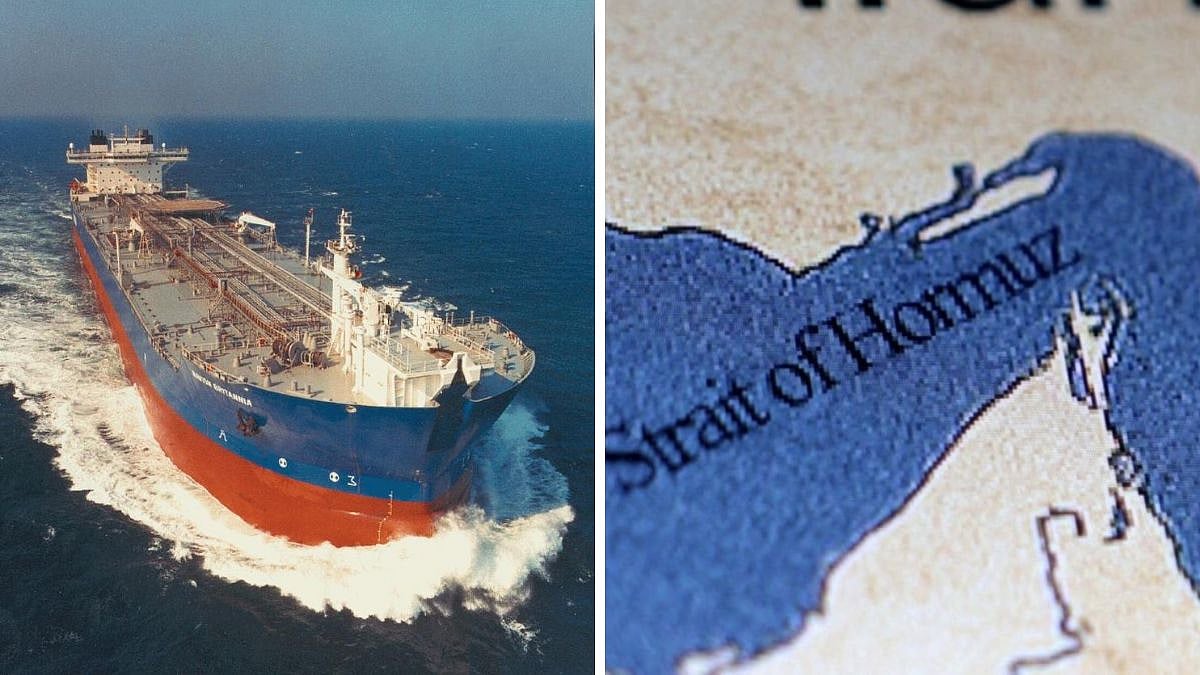
The Iranian parliament is working on a draft bill that would impose fees on ships passing through the Strait of Hormuz. According to the semi-official Fars news agency, the proposal is expected to be finalised next week. An unnamed lawmaker stated that the bill seeks to formally recognise Iran's sovereignty, control, and oversight over the strait while creating a new source of revenue through toll collection.
Strategic and Economic Context
The Strait of Hormuz is a critical chokepoint through which approximately one-fifth of the world's oil supply normally passes. However, due to the ongoing Middle East conflict now entering its fourth week, the waterway has been almost closed to most tanker traffic. Only a limited number of ships, mainly those with Chinese or Iranian affiliations, are getting through. This disruption has forced shut-ins of Persian Gulf oil production and caused damage to regional refineries.
Impact on Global Oil Markets
Oil prices have surged significantly as a result, with the global benchmark Brent crude topping $114 a barrel earlier this week. The Trump administration is reportedly examining the potential economic effects of prices climbing as high as $200 per barrel. The proposed toll would add another layer of cost for international shipping companies already facing higher insurance premiums and rerouting expenses.
Iran's Justification
Iranian authorities argue that the country bears the burden of maintaining security and infrastructure around the vital waterway. The toll is presented as a fair contribution from international shipping that benefits from safe passage. The draft bill is part of a broader strategy to assert legal control over the strait amid heightened tensions.
The development is likely to complicate global energy trade further and could face challenges under international maritime conventions regarding freedom of navigation.
TL;DR
- Iranian parliament is drafting a bill to impose tolls on vessels in the Strait of Hormuz.
- The legislation aims to recognise Iran's sovereignty, control, and oversight while generating revenue.
- The proposal is expected to be finalised next week, per Fars news agency.
- Strait of Hormuz handles one-fifth of global oil but is largely closed due to conflict.
- Only limited ships, mainly Chinese and Iranian affiliated, are passing through.
- Disruptions have caused oil production shut-ins and refinery damage.
- Brent crude prices topped $114 per barrel with fears of further spikes.
- Iran justifies the toll as compensation for providing security and infrastructure.
- The move could increase costs for global shipping and energy trade.
- Development occurs as the Middle East war enters its fourth week.