The Weekend Attack Pattern
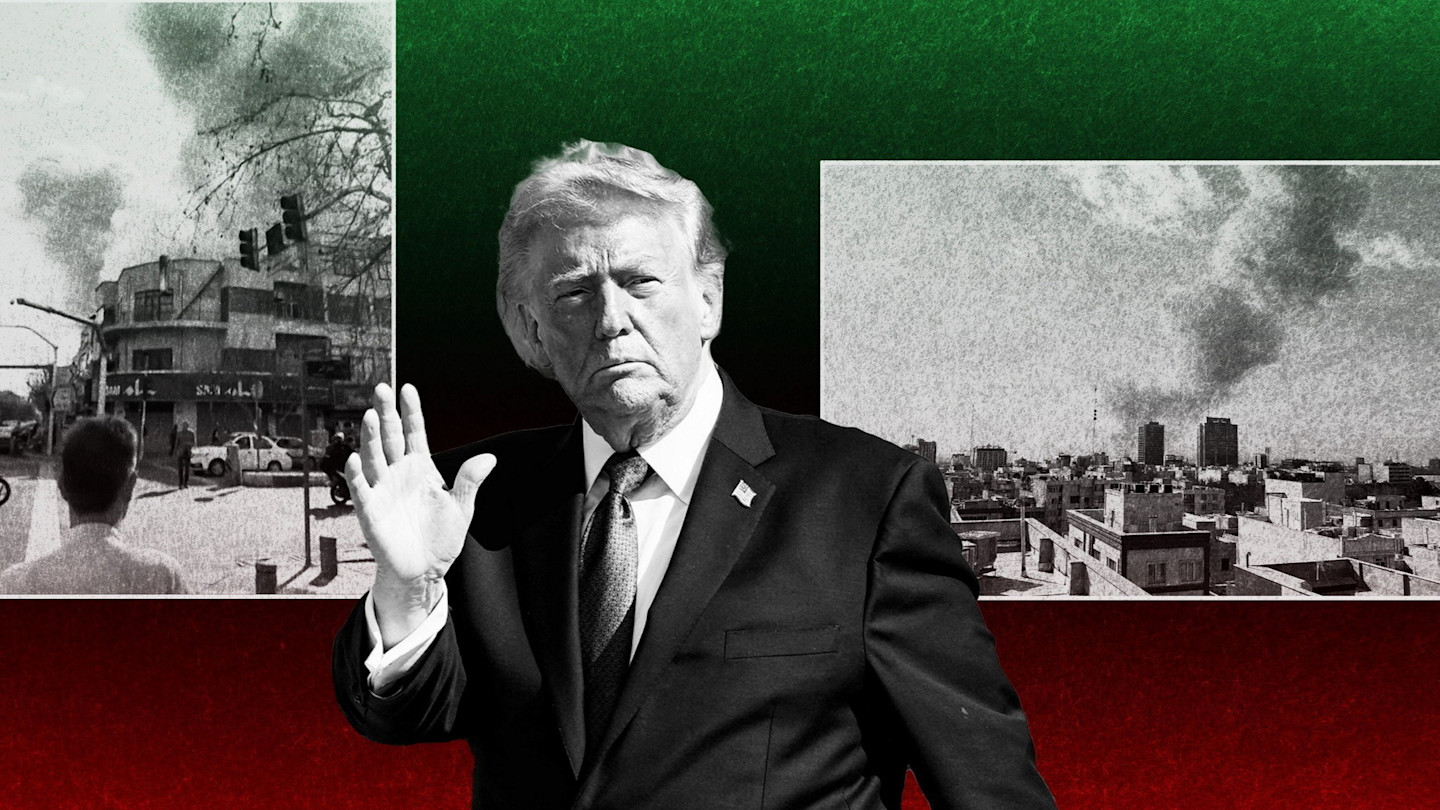
US and Israeli strikes on Iran's Tehran, Isfahan, Bandar Abbas, and other locations started on February 28, 2026, a Saturday, hours after the February 27 nuclear deal deadline passed without agreement. This timing aligns with President Trump's preference for weekend military actions, as seen in previous interventions: January 3, 2026 (Saturday) capture of Venezuelan President Nicolas Maduro; December 25, 2025 (Christmas Day) attack on Islamic State in Nigeria; and June 22, 2025 (Sunday) airstrikes on Iran's nuclear facilities. The pattern is not coincidental but strategic, designed to avoid immediate real-time market reactions during trading hours.
Economic Rationale: Minimizing Market Turmoil
Trump's choice of weekends exploits the 48-hour silence when stock markets are closed (Monday-Friday operations). This allows investors time for speculation without panic selling during live trading, resulting in "blips" rather than crashes on Mondays. A 2019 study in The Review of Financial Studies defines "Flight to Safety" days, where equity returns are negative and bond returns positive during global conflicts. Historical examples include Pearl Harbor (1941) and WWII atomic bombings (1945), which caused temporary dips but quick recoveries.
Recent Market Reactions
Following the February 28 strikes, US stocks sold off initially on Monday but recovered by close. Treasury bonds and gold rose as safe havens, with Brent crude surging 8.5% to $79 per barrel due to hits on QatarEnergy LNG and Saudi Aramco refinery. Prolonged Gulf conflict could drive inflation, making gold a hedge against devaluation. Central banks use gold reserves alongside US dollars for stability. US Treasury bonds finance programs like roads, schools, and defense; WWII War Bonds raised $185 billion from 85 million Americans.
Risks of Prolonged Conflict
Trump projected four to five weeks for the Iran campaign but noted capability for longer. Objectives include destroying Iran's missiles, navy, nuclear program, and proxy support, without regime change. He refused to rule out ground troops "if necessary" and warned of retaliation for the Riyadh embassy attack. Strikes were pre-emptive after Israel planned action, per Secretary Marco Rubio, citing imminent threats to US forces. Democrats like Senator Mark Warner called it uncharted territory. Iran's Foreign Minister Seyed Abbas Araghchi denied threats and accused the US of a "war of choice" for Israel.
Implications for Global Markets and Trade
Extended conflict risks trade disruptions due to lack of unified objectives. The 2019 study notes war impacts as short-term blips, but sustained actions could alter dynamics. Trump's strategy buys time for markets to absorb news, but prolonged war threatens energy supplies and inflation.
TL;DR
- US and Israeli strikes on Iran began on February 28, 2026, a Saturday, after nuclear talks failed.
- Trump prefers weekend attacks to avoid weekday market reactions, allowing 48-hour speculation.
- Examples include January 3, 2026, Venezuela intervention and December 25, 2025, Nigeria strikes.
- A 2019 study defines "Flight to Safety" days with negative equity and positive bond returns during conflicts.
- US stocks sold off initially on Monday after strikes but recovered by close.
- Brent crude surged 8.5% to $79 per barrel due to hits on QatarEnergy and Saudi Aramco.
- Gold rose as a hedge against inflation from prolonged Gulf conflict.
- US Treasury bonds finance government programs, with WWII War Bonds raising $185 billion.
- Trump projected four to five weeks for the campaign but noted longer capability.
- Secretary Rubio cited pre-emptive strikes after learning of Israel's planned action.