A Shift in Narrative
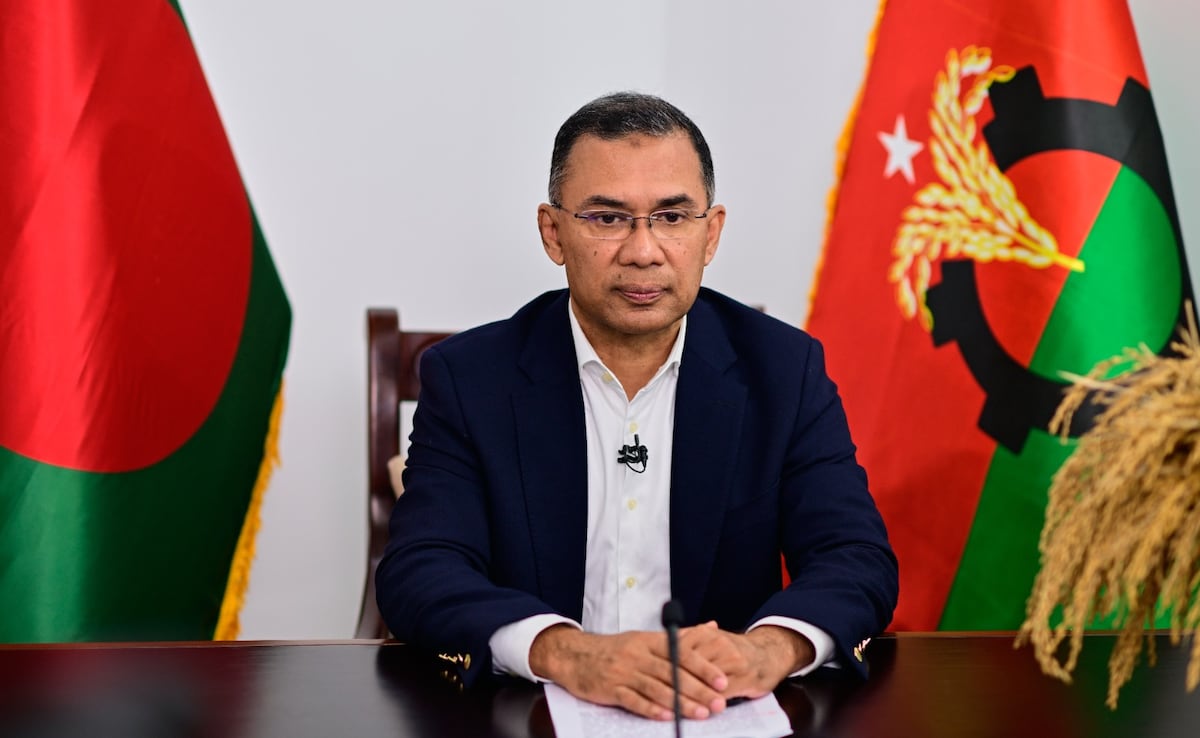
Tarique Rahman, acting chairman of the Bangladesh Nationalist Party (BNP), issued a Martyrs’ Day message on March 25, 2026, that has drawn attention for its nuanced tone on the 1971 liberation war and Pakistan. In the message, Rahman paid rich tributes to the martyrs of the liberation war and explicitly acknowledged the genocide committed by the Pakistani army in 1971. This is being interpreted as a notable shift from the BNP’s traditional position, which has often been accused of soft-pedalling the atrocities of 1971.
Strategic Repositioning
The message also subtly distanced the BNP from the approach of the Yunus-led interim government towards historical narratives and relations with Pakistan. Analysts see this as a strategic repositioning by the BNP ahead of future political battles. By striking a balance between strong nationalist sentiments and political pragmatism, Tarique Rahman appears to be trying to reclaim the party’s core support base while broadening its appeal.
Context and Delivery
The Martyrs’ Day (Shaheed Dibas) is observed annually in Bangladesh to honour those who sacrificed their lives in the 1971 liberation war. Tarique Rahman’s message was released from London, where he has been living in exile. The language used in the message has been carefully worded to avoid direct confrontation with the current interim government while clearly signalling a change in the party’s historical narrative.
Long-Term Implications
Political observers note that this message could have long-term implications for BNP’s ideological positioning. It may help the party counter accusations of being soft on Pakistan and the 1971 atrocities, which have been major political liabilities in the past. At the same time, it keeps the door open for future political manoeuvring.
The development comes at a time when Bangladesh’s political landscape is fluid, with the Yunus-led interim government navigating complex domestic and international challenges. Tarique Rahman’s message is being seen as an important signal of how the BNP intends to position itself in the evolving political scenario.
TL;DR
- Tarique Rahman paid rich tributes to the martyrs of the 1971 liberation war.
- He explicitly acknowledged the genocide committed by the Pakistani army in 1971.
- The message is seen as a notable shift from BNP’s traditional position.
- It subtly distanced the BNP from the Yunus-led interim government’s approach to history and Pakistan.
- Analysts view it as strategic repositioning ahead of future elections.
- The message was released from London, where Tarique Rahman is in exile.
- The language was carefully worded to avoid direct confrontation with the current government.
- It may help counter past accusations of being soft on 1971 atrocities.
- The development comes at a time when Bangladesh’s political landscape is fluid.
- The message signals how BNP intends to position itself in the evolving scenario.