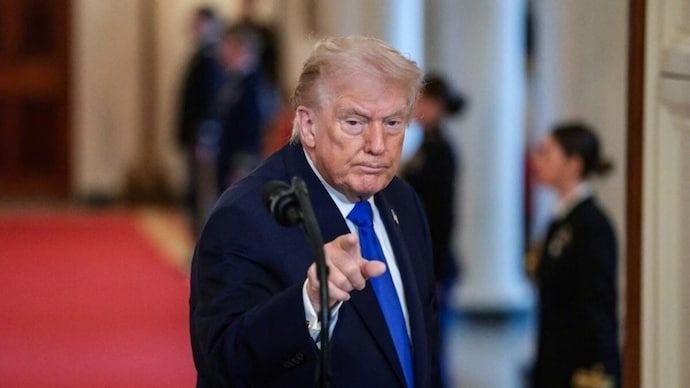
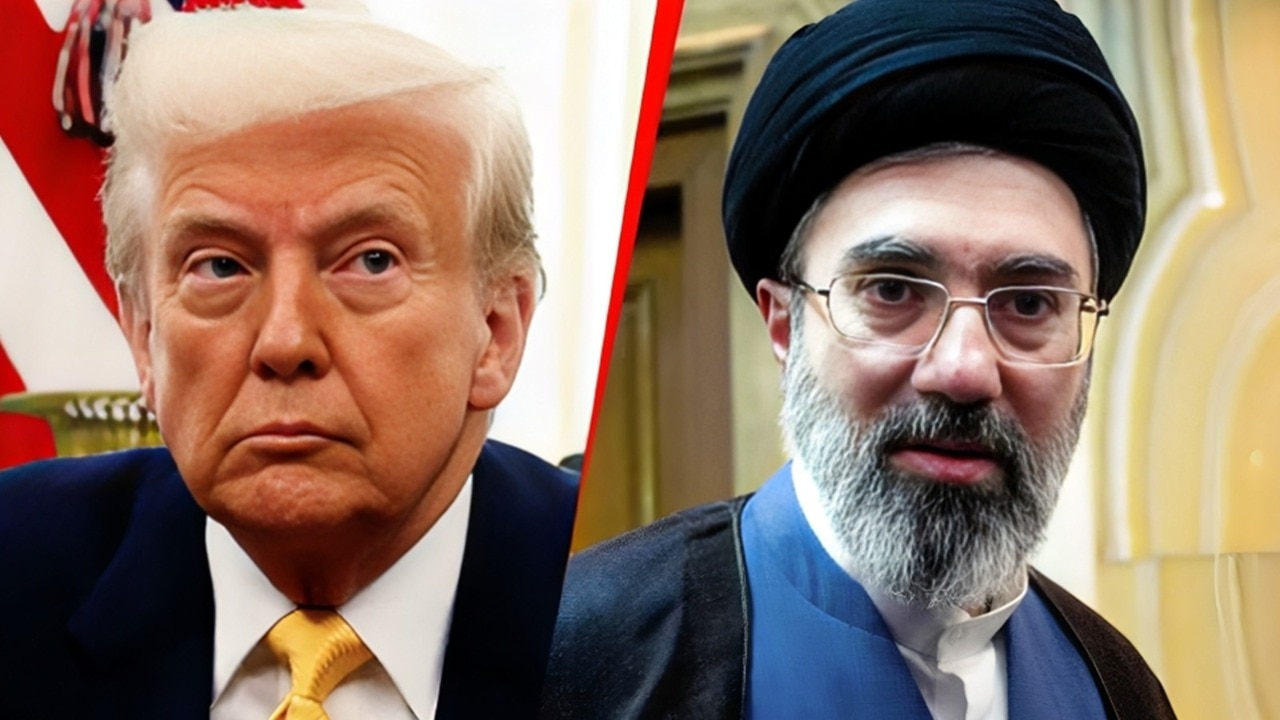
Geopolitics always intrigues me, especially when experts like Ian Bremmer break it down so sharply—it's like peering into the world's power plays from my armchair. On January 6, 2026, Bremmer pointed out how Trump's actions, such as capturing Maduro, might fizzle out after his 2029 exit, unlike Modi's decade-long stable rule in India backed by strong popularity. Trump's unpopularity at 80 makes him a fleeting force, he says, with successors likely to "rip up" his policies, echoing Trump's own reversals. I agree; it's frustrating how US four-year cycles breed inconsistency, while Modi's democratic hold allows continuity.
On Venezuela, Bremmer's skepticism resonates—oil output's plunged from 3 million to 800,000 barrels daily, needing stability for revival, which oil firms doubt post-Trump amid low prices. It reminds me of investing in volatile stocks; you need faith in longevity. Bremmer contrasts this with Xi's China or Putin's Russia, where policies endure. In my view, this exposes America's G-Zero world vulnerability, where ditching rules for power bites back. Trump's short wins might cost long-term influence—food for thought in today's chaotic global order.
TL;DR
- Ian Bremmer highlights temporary nature of Trump's policies, contrasting with stable leadership in India under Modi, who has ruled over 10 years with strong popularity in a democracy.
- Bremmer notes US presidents change every four years, creating policy discontinuity, unlike enduring regimes in China under Xi Jinping or Russia.
- He predicts Trump's successor could reverse many actions after Trump leaves office in 2029, similar to how Trump undid predecessors' measures.
- Regarding Venezuela, Bremmer views Maduro's capture as short-term gain but doubts long-term US benefits from oil reserves due to production challenges.
- Venezuelan oil output currently at 800,000 barrels per day, down from 3 million, requiring political stability for increase.
- Oil companies need favorable economic environment and belief in profitability, hindered by low energy prices and post-Trump uncertainties.
- Bremmer emphasizes oil investments demand cycles longer than a US president's term, questioning sustainability of Trump's supported system.
- He describes Trump as quite unpopular and 80 years old, limiting his influence beyond three more years in office.
- Bremmer contrasts Modi's democratic popularity enabling policy persistence with Trump's vulnerability to reversal.
- Overall, analysis underscores how US leadership turnover weakens long-term geopolitical strategies compared to more stable global counterparts.