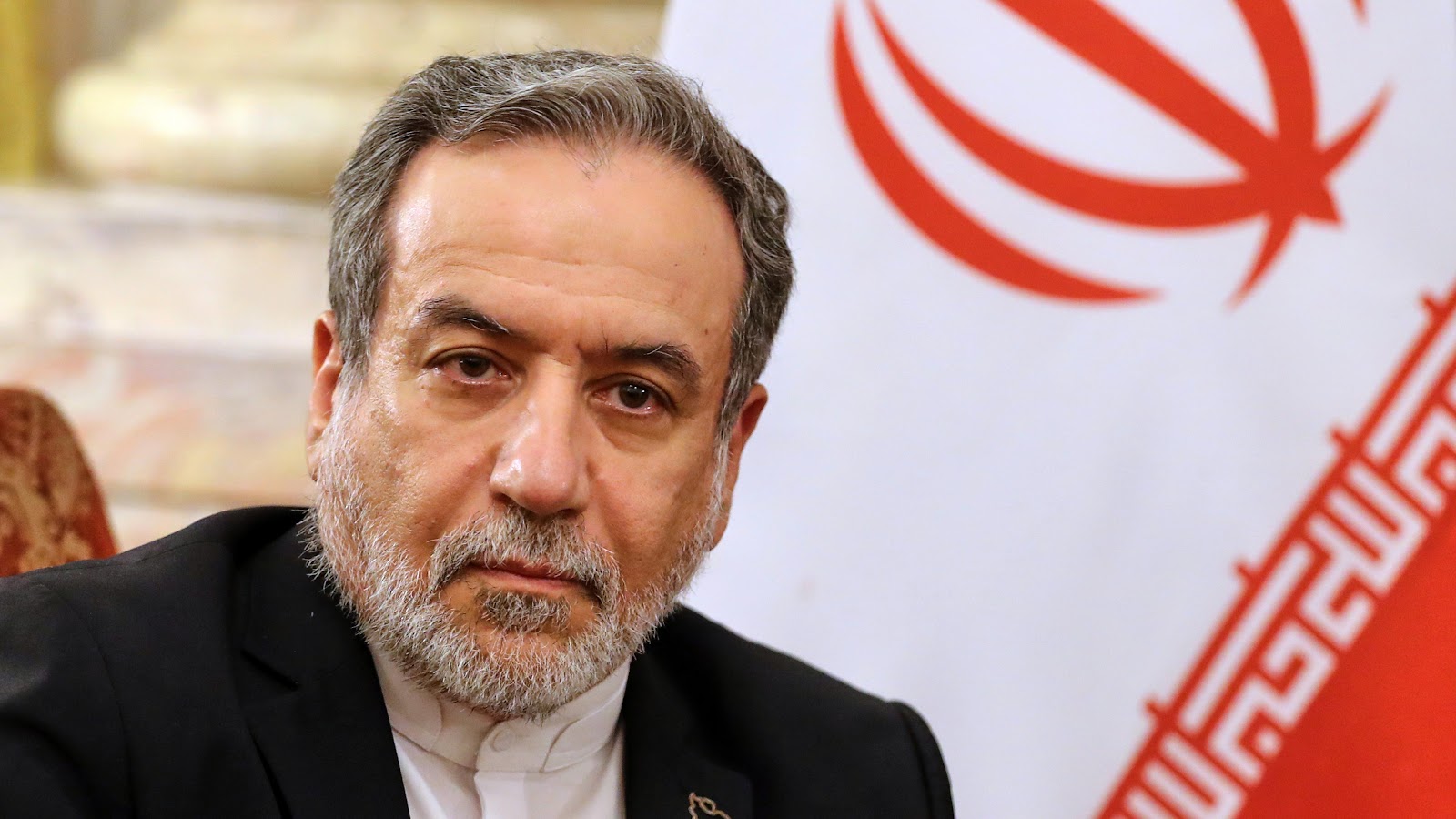
Iranian Foreign Minister Seyed Abbas Araghchi has called for direct talks between Iran and the United States to end the current conflict. In a series of statements and interviews on March 23, 2026, Araghchi made it clear that indirect diplomacy through third parties is no longer adequate. He said, “The US must talk directly to Iran if they want a meaningful resolution.”
Araghchi’s remarks came as Pakistan, Turkey, and Egypt are actively trying to mediate between the two sides. While appreciating their efforts, he stressed that only face-to-face negotiations can tackle the fundamental issues, including sanctions, security guarantees, and regional influence.
The foreign minister reiterated Iran’s willingness to engage but firmly rejected any “imposed” or “dictated” terms. He warned that continued military pressure would only prolong the crisis and cause more damage to global energy markets, particularly through disruptions in the Strait of Hormuz.
The conflict, which intensified after US and Israeli strikes in late February, has already led to significant economic consequences. Oil prices remain volatile, shipping routes are affected, and several countries have declared force majeure on energy exports.
Araghchi also addressed recent Iranian missile strikes on Diego Garcia and other targets, saying they were defensive measures taken after repeated warnings were ignored. He urged the US to recognize that military solutions will not yield long-term stability.
The statement reflects Iran’s position that it will not negotiate from a position of weakness and expects any dialogue to be based on mutual respect and reciprocity. Diplomatic circles are watching closely to see whether the US responds positively to the call for direct talks.
TL;DR
- Iranian Foreign Minister Abbas Araghchi stated the US must engage in direct talks with Iran.
- He said indirect channels through third parties are no longer sufficient.
- Araghchi emphasized that only direct dialogue can address core issues.
- Pakistan, Turkey, and Egypt are trying to broker peace, but Araghchi called for face-to-face negotiations.
- Iran is open to talks but will not accept imposed or dictated terms.
- Continued military pressure will only prolong the crisis and damage global energy markets.
- The conflict has already disrupted the Strait of Hormuz and caused volatile oil prices.
- Araghchi described recent Iranian missile strikes as defensive measures.
- He urged the US to recognize that military solutions will not bring long-term stability.
- The statement reflects Iran’s position of negotiating from a position of strength and mutual respect.