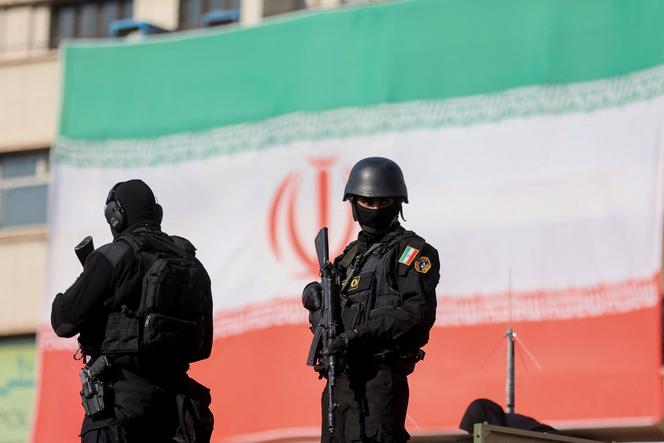
International sanctions targeting human rights violators always spark mixed feelings in me—on one hand, they send a powerful message of accountability from the global community, but on the other, their real-world impact on changing entrenched regimes often feels limited, with ordinary citizens sometimes bearing the economic brunt. This latest US action, announced January 15, 2026, hits five high-ranking Iranian officials directly involved in orchestrating the brutal crackdown on protests that erupted over economic hardships like skyrocketing inflation, currency devaluation, youth unemployment, and broader grievances against corruption and restrictive policies under Supreme Leader Khamenei.
The demonstrations, now in their third month, have seen security forces deploy lethal force, resulting in over 2,600 deaths per HRANA monitoring—more than 2,400 protesters and 150 personnel—with thousands arrested and reports of torture in detention. Fardis Prison was specifically sanctioned for documented cruel, inhuman, and degrading treatment of women detainees, including sexual violence allegations. Treasury Secretary Scott Bessent didn't hold back, comparing regime elites to "rats fleeing a sinking ship" as they wire billions in allegedly stolen funds to overseas accounts while suppressing citizens at home.
The sanctions freeze any US assets and prohibit American dealings, with new mechanisms to track global transfers by these figures. White House reiterated all options remain open, including potential military if violence escalates. Iran dismissed the measures as interference, blaming US and Israel for instigating unrest. Rights groups like Amnesty welcomed the step but called for broader accountability. In my view, while sanctions spotlight abuses and isolate enablers financially, they rarely force immediate behavioral change in defiant leadership—economic pain often filters down first. Heartened by focus on women's prison horrors amid global #WomanLifeFreedom echoes; hoping combined diplomatic isolation pushes genuine reforms addressing root causes like economic mismanagement and political repression.
TL;DR
- US Treasury Department imposed sanctions on five senior Iranian officials for orchestrating violent suppression of ongoing nationwide anti-government protests that began over economic crises.
- Fardis Prison specifically targeted for reports of cruel, inhuman, and degrading treatment inflicted on detained women protesters including allegations of sexual violence.
- Sanctions freeze any US-based assets of the individuals and entities while prohibiting American citizens or companies from any dealings with them.
- Treasury Secretary Scott Bessent accused regime leaders of transferring billions in allegedly stolen funds to overseas accounts amid domestic crackdown.
- Described elites as "rats fleeing a sinking ship" prioritizing personal wealth over citizen welfare during unrest.
- Protests have resulted in over 2,600 deaths according to HRANA monitoring group including protesters and security personnel.
- Demonstrations driven by inflation, currency collapse, unemployment, corruption allegations, and demands for political freedoms.
- White House stated all response options remain available including potential military action if violence against peaceful protesters continues.
- Iran rejected sanctions as foreign interference blaming US and Israel for instigating and fueling the unrest.
- Rights organizations welcomed targeted measures but called for broader international accountability mechanisms to address systematic abuses.