Silver foil, the paper-thin layer that gives Indian festival sweets their glossy finish, has raised a question for vegetarian families for years: was it made with animal material? India’s food regulator has now said it must not be. The Food Safety and Standards Authority of India (FSSAI) introduced rules in August 2016 that bar animal-derived materials and their by-products at every stage of silver foil production.
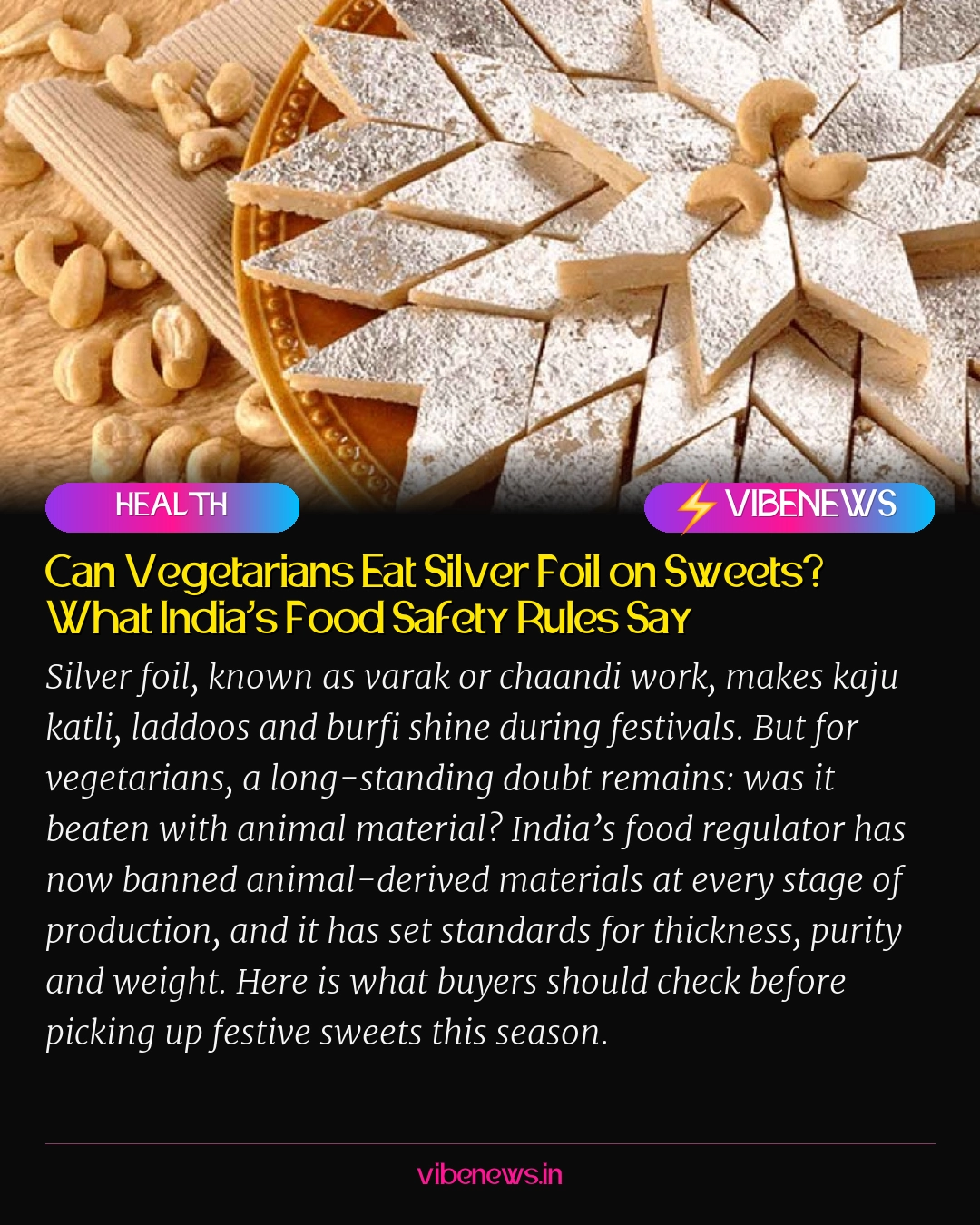
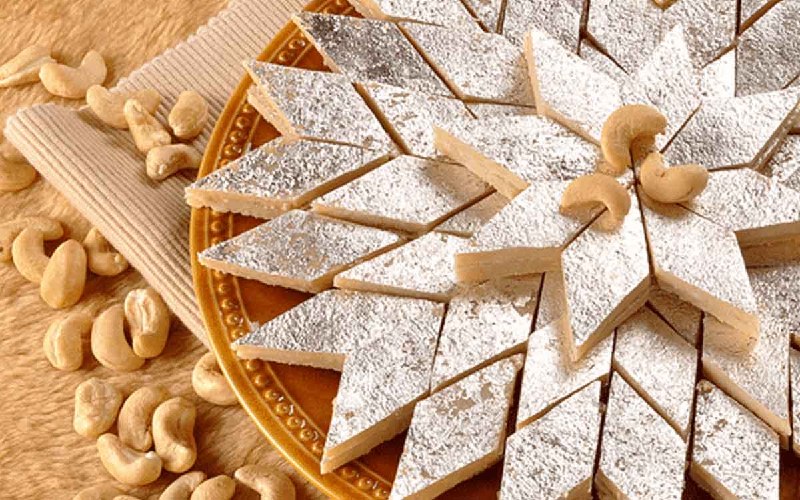
Silver foil, called varak or chaandi work, is a common sight on kaju katli, laddoos, burfi and pedas. It is made from pure silver and has no taste or smell. It is also extremely delicate, which is why it needs careful storage. Sheets can tear or crumble with the slightest handling.
The process starts with pure silver cut into small pieces. Workers then beat the metal repeatedly using a special technique until it becomes a thin sheet. Each sheet is less than one micrometre thick, and most fall in the range of 0.2 to 0.8 micrometres.
That is where the trouble began. In traditional methods, beaters used materials such as ox intestines and cowhide instead of paper. These layers kept the silver sheets from sticking together. Once consumers learned this, many vegetarians began asking whether a sweet with silver coating was safe for them to eat.
The concern weighed most heavily during festivals. Many families that serve only vegetarian food during celebrations simply stayed away from silver-coated sweets. For them, the question was never about taste or appearance. It was about what went into the process.
Awareness grew, and the regulator responded. The FSSAI rules state that no animal-derived materials or their by-products may be used in any part of silver foil making. The rules also set standards for thickness, purity and weight, so that buyers can rely on what they are getting.
Animal-derived materials or their by-products must not be used at any stage of making silver foil, according to the FSSAI rules.
The rules carry a second, less discussed safety concern. Reports have shown that some products sold under the name silver foil used aluminium and other substitutes. That is a food safety problem, not just a dietary one. A product marketed as silver can hide a cheaper metal, and the buyer usually has no way to tell by looking at the sweet.
Manufacturers have changed their methods since then. Many now use machines, paper or other safer alternatives to beat the silver. Some companies have also obtained vegetarian certification for their products. The change is real, but it is not uniform across every shop and sweet counter.
So what should buyers do? Start with the packet. Check whether the silver foil carries vegetarian certification. If you buy from a local sweet shop, ask the shopkeeper how the foil is made and where it comes from. If the answers are unclear, the safest choice is a sweet without silver coating. Plain kaju katli is an option many families already rely on.
The new rules have made silver foil production far cleaner than it was. Still, the source material makes one point clear: consumers need to stay alert about quality and purity. When buying sweets this festival season, the way a sweet is made deserves as much attention as its taste and shine. The sparkle on top tells you very little about what lies underneath.
TL;DR
- India’s food regulator, FSSAI, bans animal-derived materials at every stage of making silver foil used on sweets.
- Silver foil, or varak, is beaten into sheets thinner than one micrometre.
- Traditional beating used ox intestines and cowhide to stop sheets from sticking together.
- Some products sold as silver foil were found to use aluminium and other substitutes.
- Buyers should check for vegetarian certification or choose plain kaju katli if details are unclear.