IN SHORTObesity management in India is shifting toward non-surgical options as bariatric surgery remains expensive and carries risks. Medical solutions include...
TL;DR
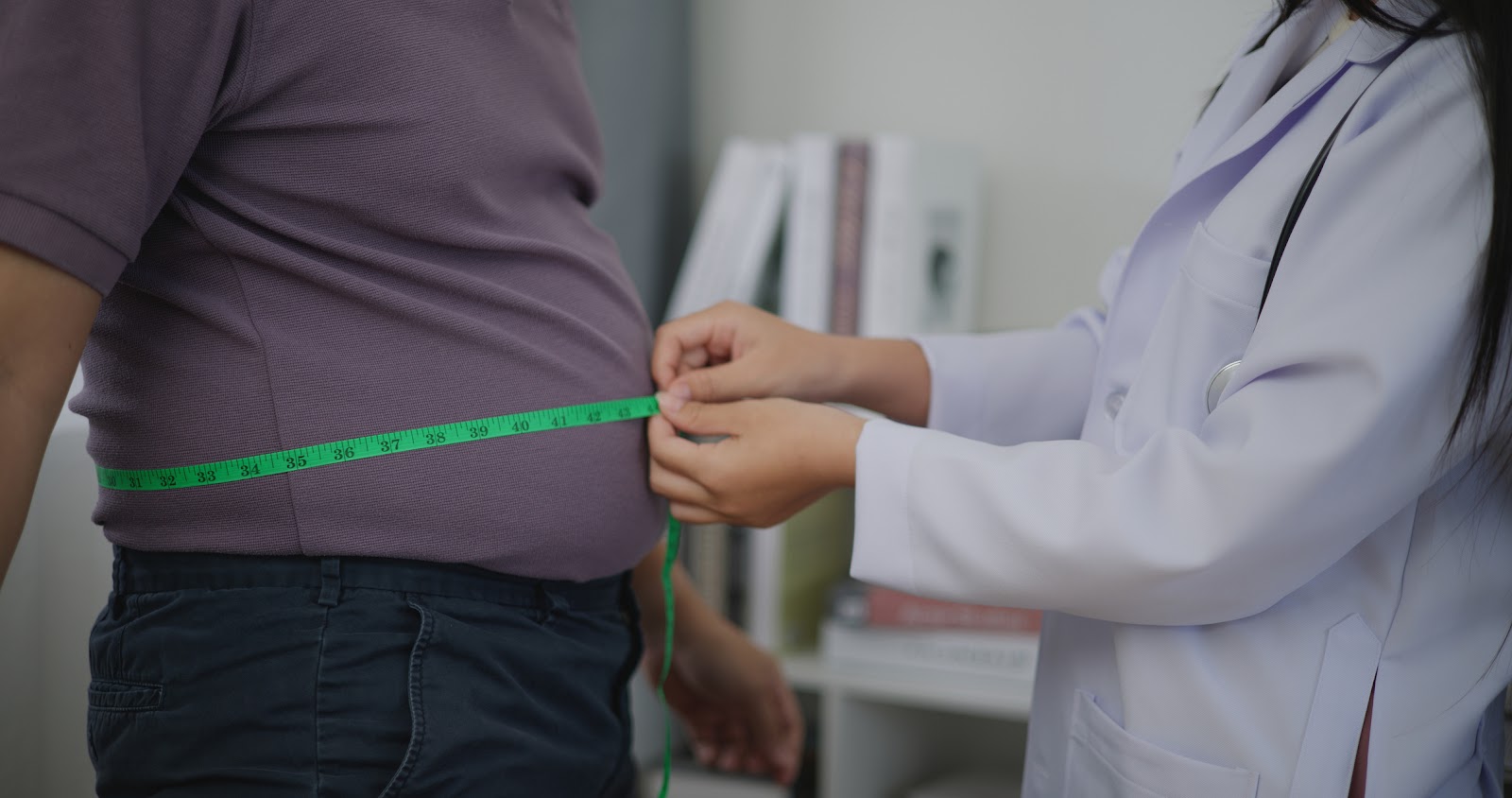
- Current Obesity Landscape in India India ranks third globally in obesity burden, with over 135 million adults affected. Type-2 diabetes and metabolic syndrome are closely linked. Bariatric surgery (gastric bypass, sleeve gastrectomy) is effective for severe cases but costs ₹3–8 lakh, involves risks (infection, nutrient deficiency), and requires lifelong follow-up. Many patients seek non-surgical alternatives due to cost, fear, or preference. Medical Management Options GLP-1 receptor agonists dominate the medical approach. Semaglutide (Ozempic weekly injection, Rybelsus oral) and tirzepatide (Mounjaro) mimic gut hormones, reduce hunger, slow gastric emptying, and improve insulin sensitivity. Clinical trials show 15–22% body weight reduction over 12–18 months. In India, semaglutide costs ₹8,000–11,000 per month; generics expected post-patent expiry (March 2026) could drop prices 60–90%. Side effects include nausea, vomiting, and rare pancreatitis. Lifestyle and Behavioral Interventions Experts stress sustainable lifestyle change as the foundation. Structured programs combine:
- Calorie-controlled diets (1,200–1,800 kcal/day, high protein, low glycemic)
- 150–300 min/week moderate exercise (brisk walking, cycling, strength training)
- Behavioral therapy (CBT, mindfulness) to address emotional eating
- Digital platforms (HealthifyMe, Fitterfly) offering coaching, tracking, and community support When combined with medication, lifestyle changes yield better long-term results and reduce medication dependency. Emerging and Complementary Approaches
- Endoscopic procedures (intragastric balloons, endoscopic sleeve gastroplasty) offer less invasive options with 10–15% weight loss.
- Very-low-calorie diets (VLCD) under supervision for rapid initial loss.
- Ayurveda and naturopathy (herbal formulations, detox) are popular but lack large-scale evidence. Expert Opinions Dr. Anoop Misra (Fortis C-DOC): “Medication + lifestyle is the future for most patients. Surgery should be reserved for severe cases.” Dr. Ambrish Mithal: “GLP-1 drugs are transformative, but long-term adherence and cost remain challenges until generics arrive.” Market Growth & Future India’s anti-obesity market is projected to grow eightfold by 2030. Affordable generics and digital health tools could democratize access, shifting obesity management from surgery-centric to medical-lifestyle hybrid models.
TL;DR
- Obesity management in India is increasingly non-surgical due to cost and risks of bariatric surgery.
- GLP-1 agonists like semaglutide (Ozempic, Rybelsus) and tirzepatide (Mounjaro) are leading medical options.
- These drugs promote 15–22% weight loss by reducing appetite and improving insulin sensitivity.
- Lifestyle interventions include structured diet, 150–300 min/week exercise, and behavioral therapy.
- Digital platforms like HealthifyMe and Fitterfly provide coaching and tracking.
- Generic semaglutide expected after patent expiry on March 20, 2026, with 60–90% price reduction.
- Endoscopic procedures offer less invasive alternatives with 10–15% weight loss.
- Experts recommend medication + lifestyle as first-line for most patients.
- India’s anti-obesity market is projected to grow eightfold by 2030.
- Affordable generics and digital tools could improve access significantly.