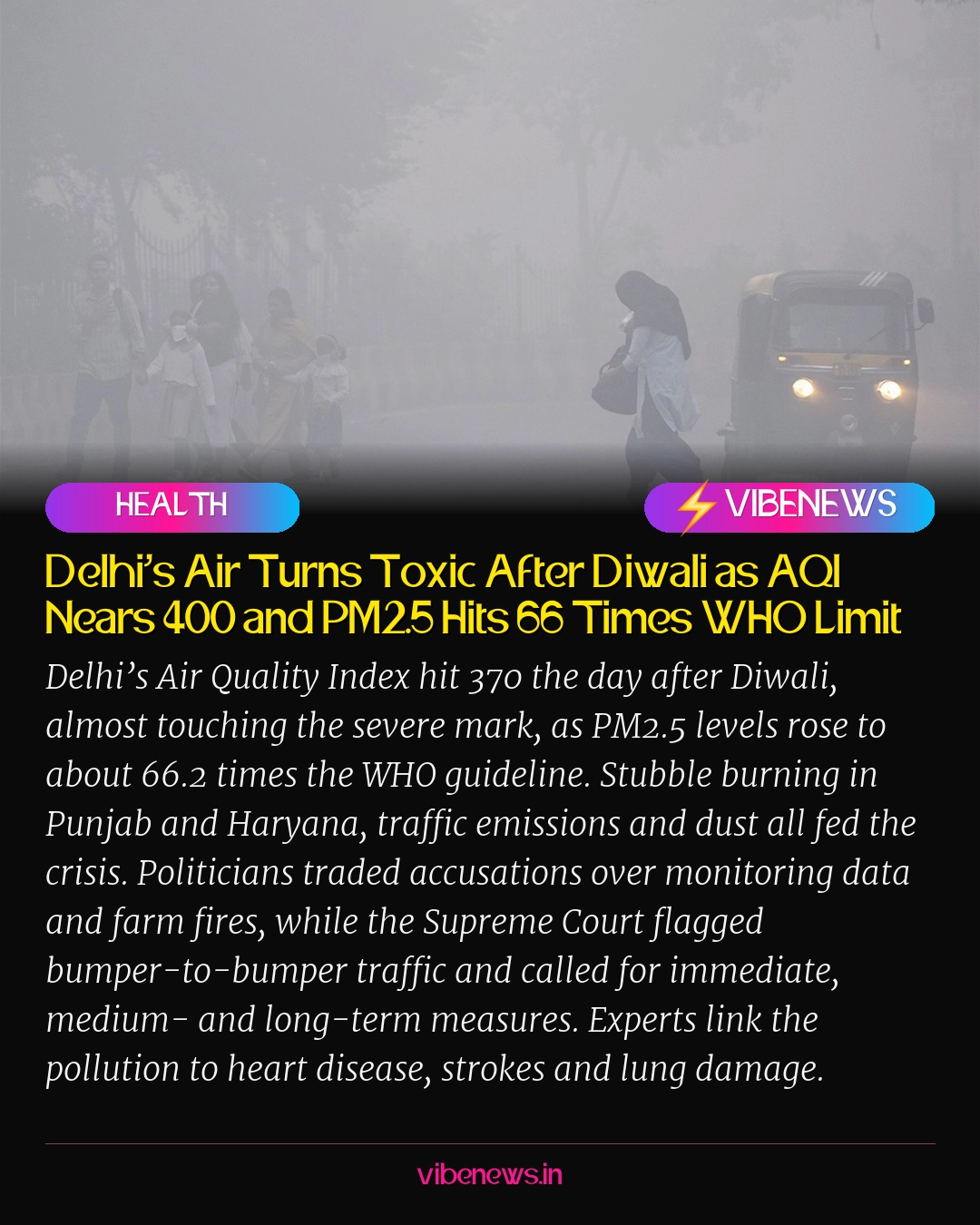
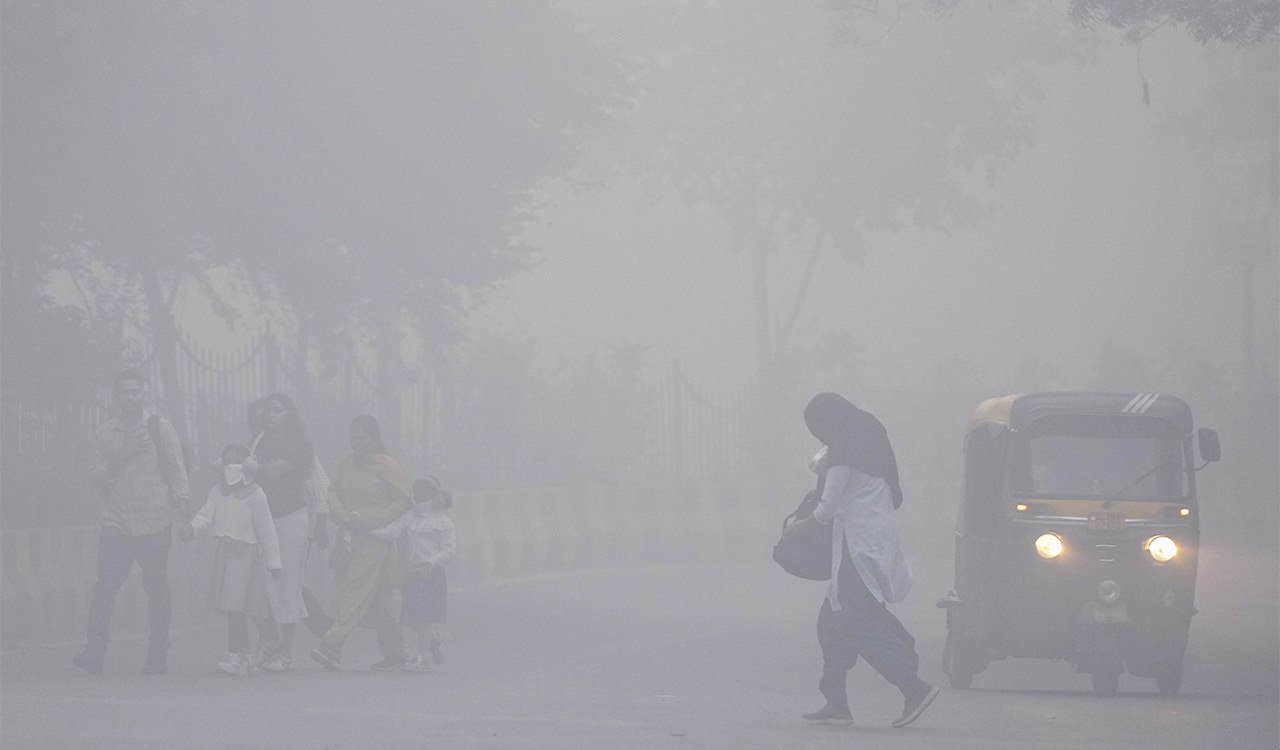
Delhi’s air quality slipped back into crisis territory the day after Diwali, with the Air Quality Index standing at 370, almost touching the “severe” category. The concentration of PM2.5, the fine particulate matter that reaches deep into the lungs, shot up to about 66.2 times the WHO’s recommended guideline of 15 micrograms per cubic metre.
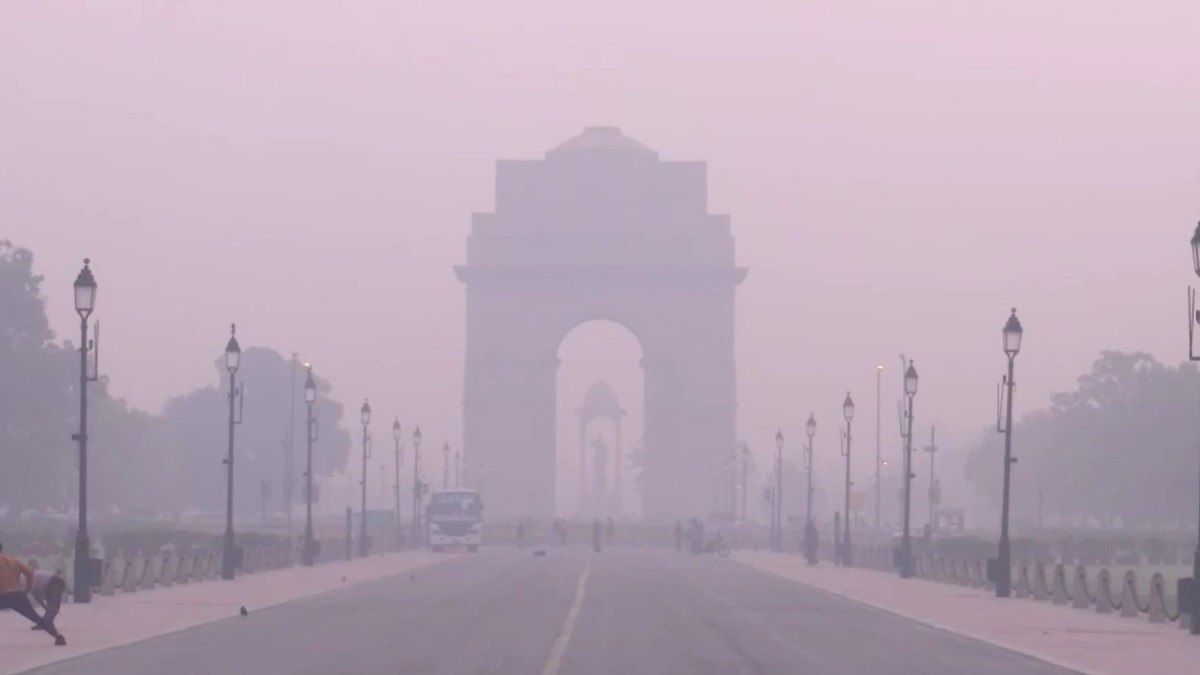
The images of haze over the capital looked familiar to anyone who has lived through a Delhi winter. Visibility dropped, the sky turned grey-brown, and residents once again found themselves breathing air that doctors would call dangerous for healthy adults, let alone children and the elderly.
Crackers, stubble and traffic
The Supreme Court’s guidelines on certified green crackers and permitted bursting hours were breached more often than they were followed, according to the editorial. That alone would have strained the city’s air. It arrived on top of stubble burning by farmers in the neighbouring states of Punjab and Haryana, which pushed pollution levels up sharply.
Farm fires are not the only problem. Transport emissions, road and construction dust, industrial output, waste burning and secondary pollutants all add to the load. The Supreme Court singled out vehicular emissions and pointed to bumper-to-bumper traffic in Delhi as a contributing factor. The court noted that the AQI was nearing 400, a level it described as alarming and capable of causing serious damage to health.
A familiar blame game
Political parties reacted the way they usually do. The Congress and the AAP accused the BJP government of failing to control pollution despite making lofty claims. They also alleged that the government had resorted to data manipulation by shutting down air quality monitoring stations.
The BJP’s Delhi Labour Minister Kapil Mishra took aim at the AAP-governed Punjab, alleging a conspiracy to set stubble on fire in the state before Diwali. It was claimed that more than 1,200 stubble-burning incidents were reported in Punjab on Diwali day. The editorial stresses that these claims are competing narratives, and that none of them answers the question of what the city will do next.
The editorial argues that this back-and-forth is part of the problem. Successive governments have announced action plans, restricted vehicles, halted construction and issued advisories. Each time, Delhi has ended up back in an emergency. The AAP, which built its political appeal around clean governance, also has to account for its years in office, the piece says.
What the health data says
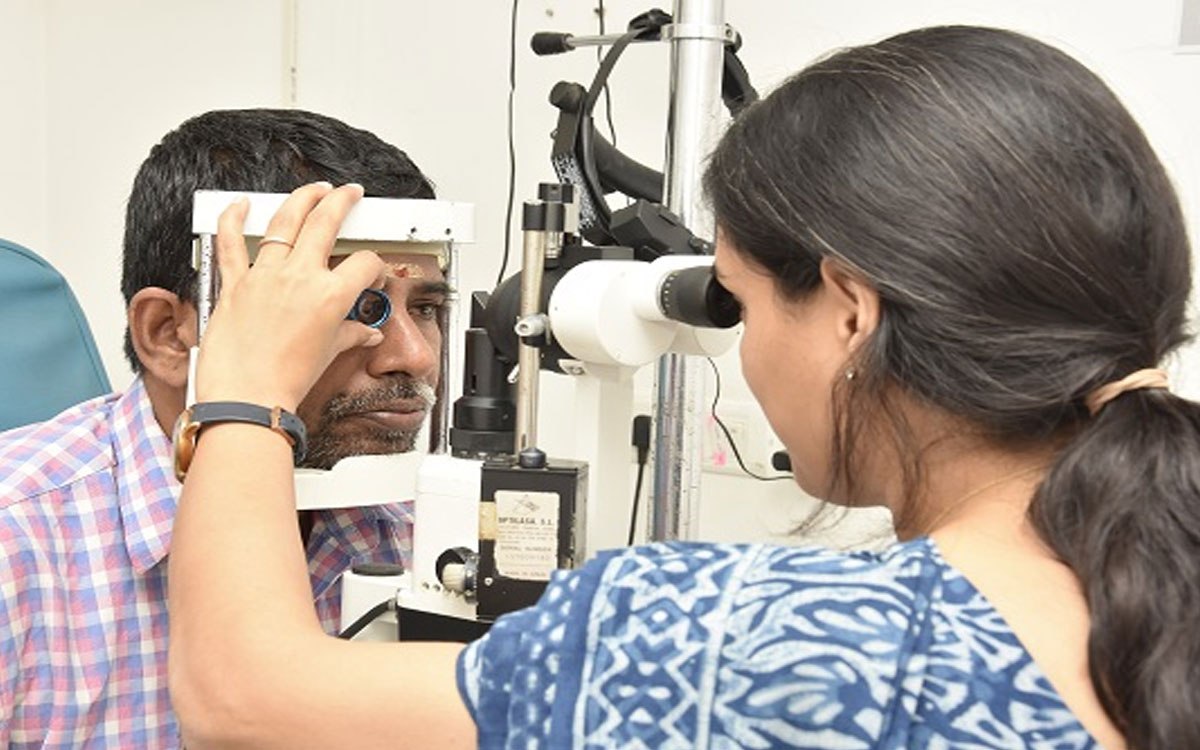
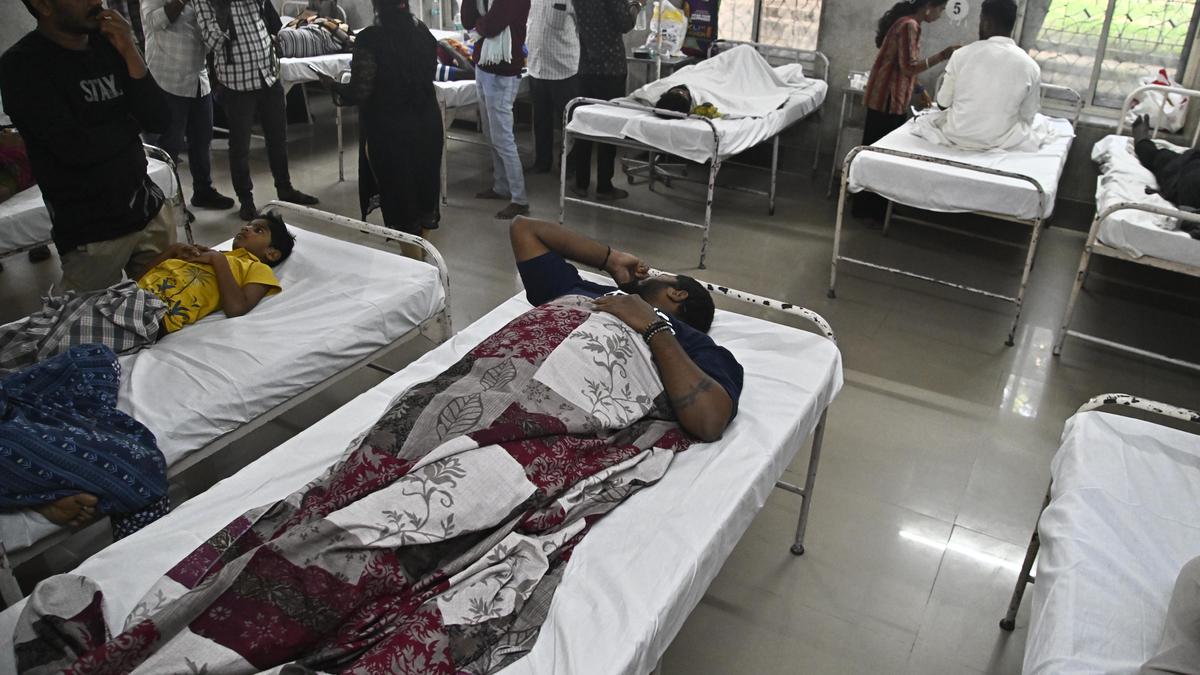
The health risks are not abstract. Research data, the editorial notes, shows a direct link between air pollution and heart disease, strokes, autoimmune disorders and neurological problems. Fine particles can penetrate deep into the lungs and, in some cases, enter the bloodstream. From there they can trigger inflammation and oxidative stress that affect the heart and blood vessels as well as the lungs.
Over time, repeated exposure can worsen existing respiratory illnesses, reduce lung function and raise the risk of cardiovascular complications. The problem is not confined to Delhi. The editorial says an estimated 1.6 million people die due to air pollution every year across the country.
What the city needs now
The editorial calls for an accountable programme instead of competing claims. That means reliable public transport, stricter controls on vehicle and industrial emissions, effective dust management, cleaner fuels, proper waste disposal and better coordination across the National Capital Region (NCR).
Farmers feature heavily in that argument. The piece says they need affordable alternatives to burning crop residue, and it frames the current approach as a yearly ritual of warnings rather than a workable solution. Without those alternatives, the editorial suggests, stubble fires will keep returning each autumn.
“Farmers need affordable alternatives to burning, not annual lectures.”
The core message is blunt. Delhi’s air is a public health emergency that has been treated as a political argument for too long. The data on PM2.5, the Supreme Court’s warning and the health evidence all point in the same direction. What remains uncertain is whether the next winter will bring a different response, or a repeat of the same images of haze and the same arguments over who is to blame.
TL;DR
- Delhi’s AQI stood at 370 the day after Diwali, almost touching the “severe” mark.
- PM2.5 concentration rose to about 66.2 times the WHO’s recommended guideline.
- Stubble burning in Punjab and Haryana, traffic emissions and dust all added to the pollution.
- The Supreme Court flagged vehicular emissions and bumper-to-bumper traffic in Delhi as contributing factors.
- Air pollution is linked to heart disease, strokes and lung damage; an estimated 1.6 million die yearly across India.