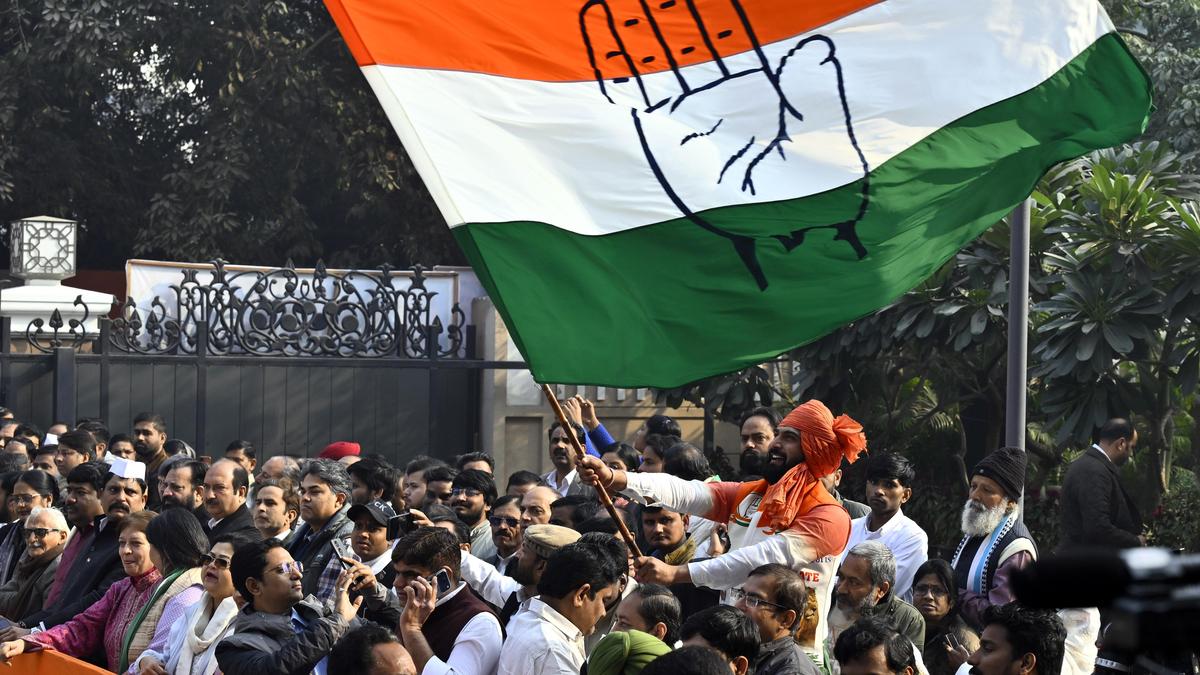
The Congress party on Wednesday, November 11, 2026, began its public outreach campaign, ‘Punjab Mangda Insaaf’, which translates to ‘Punjab Demands Justice’. The drive is being run in the run-up to the 2027 Assembly election, and the Bharatiya Janata Party was quick to attack it, arguing that a party whose leaders were involved in the anti-Sikh riots of 1984 has no moral right to talk about justice in Punjab.
Leader of Opposition in the Punjab Assembly Partap Singh Bajwa and Punjab Pradesh Congress Committee president Pargat Singh took part in a series of engagements in Mohali as part of the campaign. The party says the goal is to build a collective movement against the growing menace of drugs, crime and corruption, along with what it describes as a deteriorating law and order situation in Punjab.
Bajwa insisted the effort was more than an electoral exercise. In his words, it was a struggle for Punjab’s rights, dignity and a better future. He said the party would bring together every section connected with the state, press the Aam Aadmi Party government for answers, and put forward a development roadmap for 2027 built on suggestions gathered from residents.
That last point matters. Congress is not only trying to attack the ruling AAP on governance. It is also trying to position itself as the party that listens, collecting input from people before it lays out what it would do if it returns to power. Whether that outreach turns into votes will become clearer as the campaign moves through the coming months.
BJP goes after the 1984 record
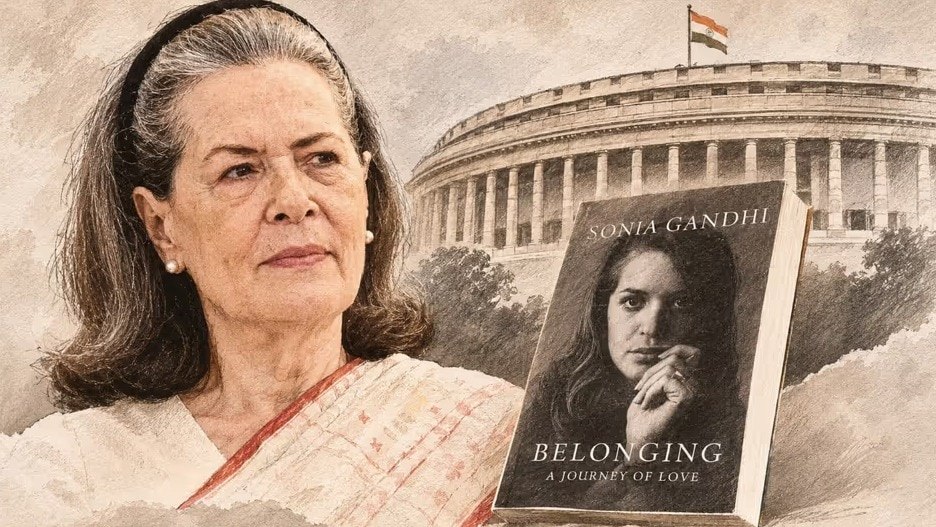
The BJP did not wait long to respond. Punjab BJP president Kewal Singh Dhillon used a statement to challenge the credibility of the campaign itself. He pointed to Congress leader Sonia Gandhi’s newly released memoir, ‘Belonging: A Journey of Love’, and alleged that its claims about former Prime Minister Indira Gandhi and the June 1984 Operation Blue Star were a calculated political ploy aimed at whitewashing the party’s record.
Dhillon’s statement was blunt, and he framed the issue around the victims of 1984 rather than the election itself.
“What does an ‘Insaaf Yatra’ mean in Punjab without full justice for the 1984 victims and a public, unconditional apology from Congress for its heinous crimes?”
He went further, accusing successive Congress governments of protecting those guilty of the anti-Sikh riots for decades and handing out clean chits to them. In his telling, the accountability came only after the Modi-led BJP government took office in 2014 and constituted a dedicated Special Investigation Team. He said that was the point at which justice finally caught up with the perpetrators.
The available reporting does not include a direct Congress reply to Dhillon’s allegations, including his claim about the memoir. That leaves the 1984 question as the sharpest line of attack in the exchange, with each party accusing the other of using the past for present political gain.
A campaign with two fronts
What emerges from the day’s events is a contest being fought on two separate tracks. Congress wants the conversation to be about the present: drugs, crime, corruption and the state of law and order, along with a plan for the future. The BJP wants the conversation to return to history, and specifically to the 1984 riots and the party’s handling of them.
Both approaches carry risk. For Congress, every reference to justice invites a question about its own record, and the BJP has now placed that record at the center of its response. For the BJP, pressing the 1984 issue keeps the focus on a past that Congress has tried to move beyond, but it also gives the opposition a platform to argue that the state’s present problems demand a fresh look at governance.
The campaign’s language is also aimed directly at the AAP government. Bajwa’s promise to demand answers from the ruling party signals that Congress sees the AAP administration as its main target in the lead-up to 2027. That makes the outcome of this exchange relevant beyond the rhetoric of one day, since it shapes how voters in Punjab may weigh competing claims about justice, security and development.
For now, the story is one of an opening move. Congress has launched its campaign and set out its themes. The BJP has responded with a challenge that goes straight to the party’s past. Each side is betting that its version of justice will resonate with Punjab’s voters as the 2027 Assembly election approaches, and neither has yet shown how the argument will end.
TL;DR
- Congress launched its ‘Punjab Mangda Insaaf’ campaign on November 11, 2026, ahead of the 2027 Assembly election.
- Partap Singh Bajwa and Pargat Singh led engagements in Mohali focused on drugs, crime, corruption and law and order.
- Bajwa said Congress would demand answers from the AAP government and present a development roadmap for 2027.
- Punjab BJP president Kewal Singh Dhillon said Congress has no moral right to speak of justice given the 1984 anti-Sikh riots.
- Dhillon called claims in Sonia Gandhi’s memoir about Indira Gandhi and Operation Blue Star a calculated political ploy.