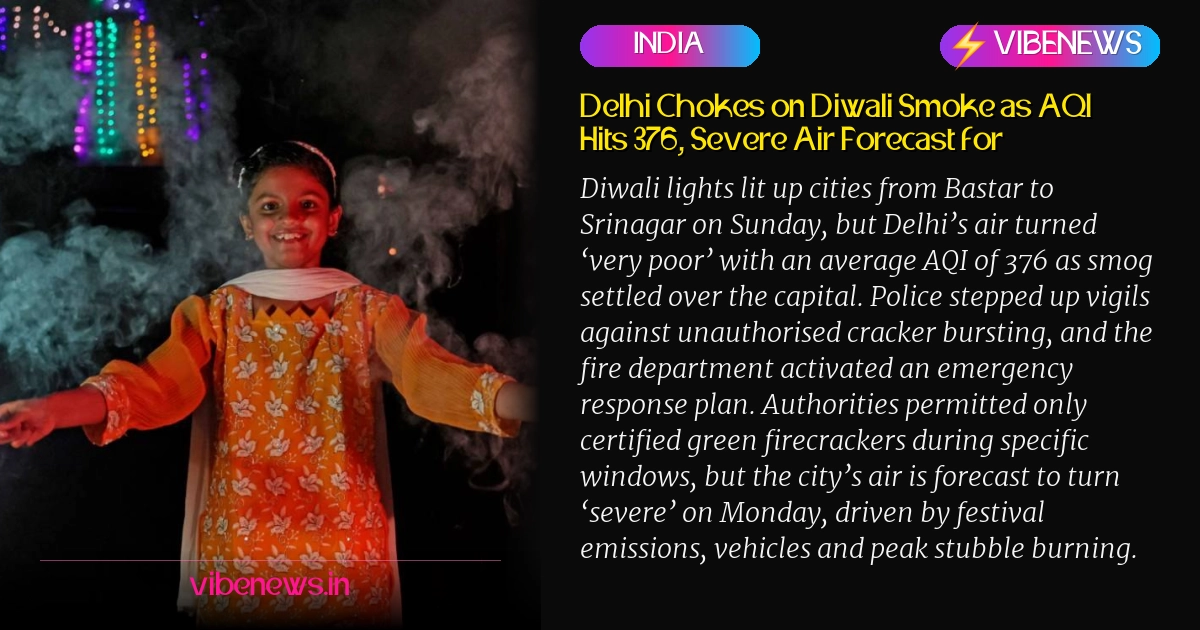
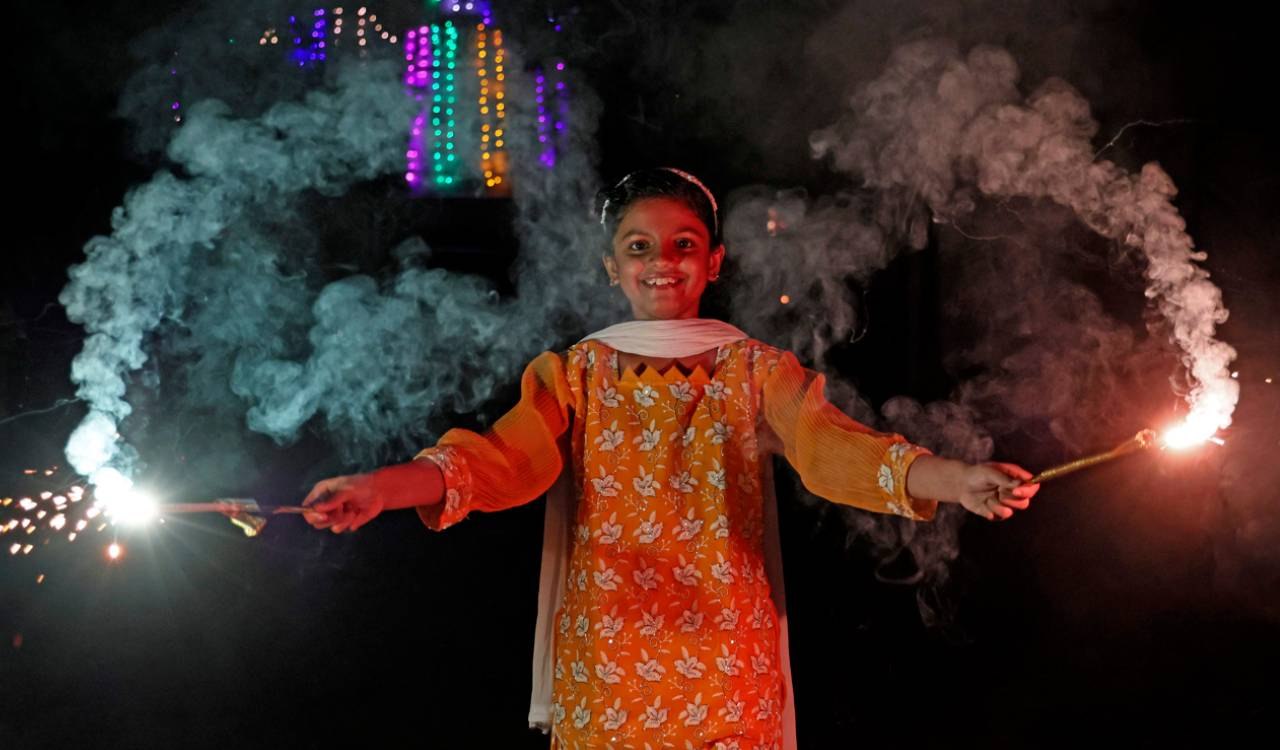
Delhi’s air quality slid into the "very poor" category on Sunday, with an average Air Quality Index of 376, as millions of people across the country marked Diwali with lamps, sweets and crackers.
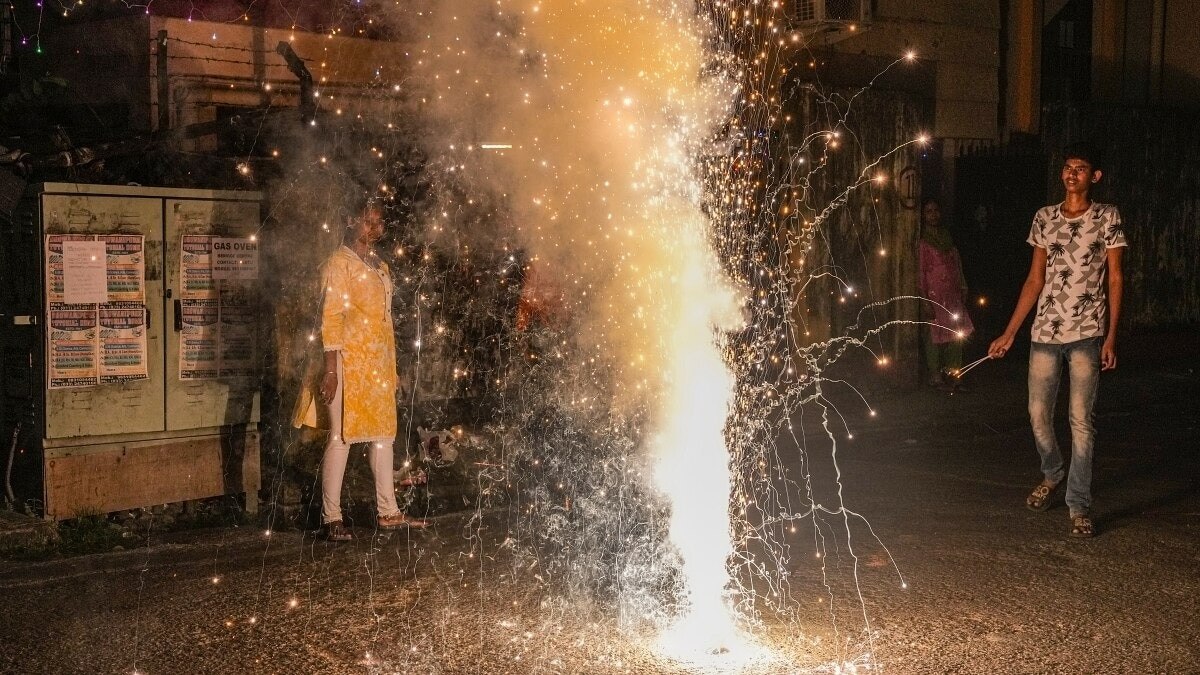
The celebrations were loud and bright almost everywhere. Days of shopping ended in a glowing evening, with families strung with lights, shopkeepers placing diyas to invoke blessings, and crackers going off in bursts through the night. In the capital, however, the same fireworks were hanging over a city already choking on haze.
A thick layer of smog enveloped Delhi through the day and cut visibility sharply. The city’s pollution level was set to worsen as the afternoon wore on, and authorities now expect the air to tip into the "severe" band on Monday. Officials point to three main drivers: the festival’s cracker smoke, heavy vehicular emissions and the peak stubble-burning season that hits the region every autumn.
Delhi Police Tighten the Cracker Net
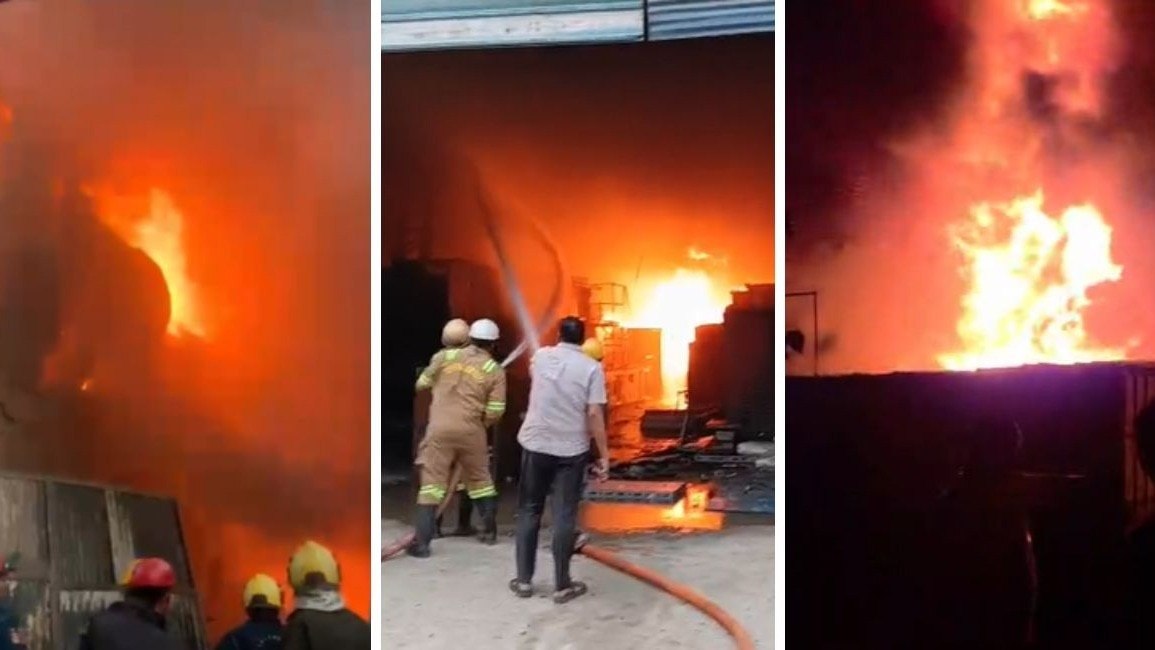
Delhi Police stepped up vigil across the national capital to enforce restrictions on bursting crackers. The fire department, meanwhile, activated an extensive emergency response plan to deal with any fire incidents during the night.
Officers were told to keep strict watch in crowded markets, residential colonies and other vulnerable areas. One officer laid out the message plainly.
"All units and police teams of the districts will keep strict vigil to ensure that people adhere to the prescribed timings for bursting green firecrackers. Special attention will be given to crowded areas and those found violating the directions will face action," the officer said.
The rules themselves are narrow. Only certified green firecrackers are allowed on Diwali, and only during two windows: 6 am to 7 am, and 8 pm to 10 pm. The limits follow the Supreme Court’s directions. Anyone bursting outside those hours or using non-compliant crackers is exposed to action, according to the police.
On a night when the city wanted to celebrate, the gap between those rules and the sky above Delhi was hard to miss.
Leaders Mark Diwali in Bastar, Nagpur and Ayodhya
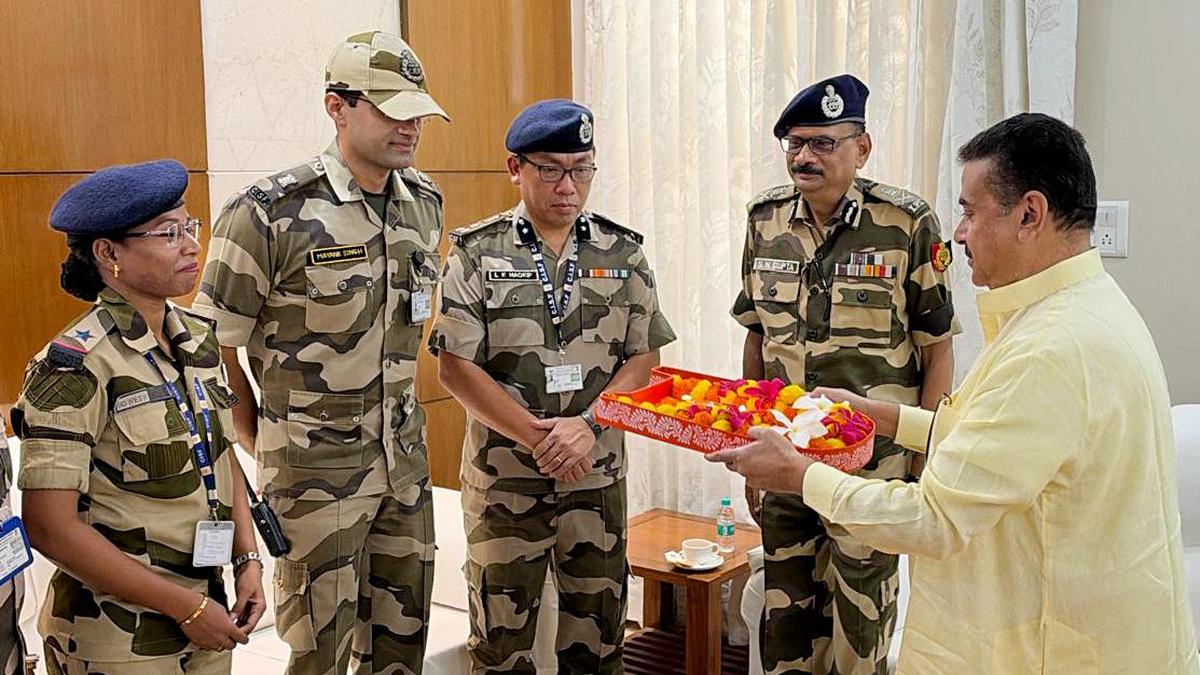
Far from the smog, political leaders spent the festival in very different settings. Prime Minister Narendra Modi celebrated Diwali with security personnel in Bastar in Chhattisgarh, an area that was once under Naxalite control. He said on X that he was heading there to celebrate with the security forces. Modi described Bastar as a place where development is now flourishing, and he saluted the personnel for their sacrifices and service.
In a video message on Saturday, Modi had said that, as in previous years, he would celebrate the festival with soldiers. On Sunday, he and Vice President C P Radhakrishnan called on President Droupadi Murmu at Rashtrapati Bhavan and exchanged Diwali greetings with her.
Maharashtra Chief Minister Devendra Fadnavis spent time with drought-hit farmers in Nagpur. Fadnavis said that wiping away the tears from farmers’ eyes was the true Diwali for him. Modi commended him for the gesture.
Uttar Pradesh Chief Minister Yogi Adityanath began his visit by praying at the Hanumangarhi temple in Ayodhya, where saints and priests welcomed him amid chants of "Jai Shri Ram." He then went to the Shri Ram Janmabhoomi complex and offered prayers for Ram Lalla. Jammu and Kashmir Chief Minister Omar Abdullah extended greetings to residents of the Union Territory and to everyone celebrating the festival in India and abroad.
A Nostalgic Video From the Gandhi Family
Congress Parliamentary Party chairperson Sonia Gandhi shared a video on Instagram from the garden of 1, Safdarjung Road, the house where her family lived when Indira Gandhi was prime minister. Sitting with her daughter Priyanka Gandhi Vadra and granddaughter Miraya Vadra, she recalled how a Ganesh statue at the entrance used to be decorated, and how diyas lined the pathways and the roof.
Sonia said the celebrations in those days were lovely and that people used to go "berserk" with firecrackers. She said she particularly liked the phuljhadi. She also described the blue skies and pleasant weather of that time of year. Priyanka recalled that her father, former prime minister Rajiv Gandhi, used to take the family to Old Delhi to buy firecrackers. Sonia added that the family would eat Kashmiri food during festivals.
The memories sit uneasily beside the air over Delhi now. The old skies she described are not the ones residents are breathing this week.
Srinagar’s Clock Tower Glows, and Local Joy Crosses Faiths
In Srinagar, thousands of lamps lit up the Clock Tower, popularly called Ghanta Ghar, at Lal Chowk. Dozens of tourists gathered there in the evening and lit the lamps arranged around the landmark. Local Hindus and Muslims also joined in by lighting firecrackers.
Ankush Chatterjee, a tourist from Kolkata, said the mood was special. "We are delighted to celebrate Diwali in Kashmir. The atmosphere is great," he said.
The Air Problem Ahead
The festival’s joy is not the whole story of the weekend. The average AQI of 376 was recorded earlier on Sunday, and the forecast for Monday is worse. Authorities have warned that the combination of festival smoke, vehicle exhaust and stubble burning could push the city further into the severe range. For residents, the next few days will test how well the city’s rules hold up after the crackers have stopped.
TL;DR
- Delhi’s air quality hit the "very poor" category on Sunday, with an average AQI of 376, as Diwali celebrations filled the capital.
- The national capital is forecast to turn "severe" on Monday, driven by festival crackers, vehicular emissions and peak stubble burning.
- Delhi Police and the fire department stepped up vigils and emergency plans across crowded markets and colonies.
- Only certified green firecrackers are allowed, and only between 6-7 am and 8-10 pm, per Supreme Court directions.
- PM Modi spent Diwali with security personnel in Bastar, while Yogi Adityanath prayed at Ayodhya temples.
- Srinagar’s Ghanta Ghar was lit with thousands of lamps as tourists and locals celebrated together.