Families in Narayanpet district of Palamuru are leaving their villages again. Failed rains, dry borewells and a shortage of farm work have pushed husbands, wives and in some places children toward cities like Mumbai, Pune, Bengaluru, Surat and Hyderabad.
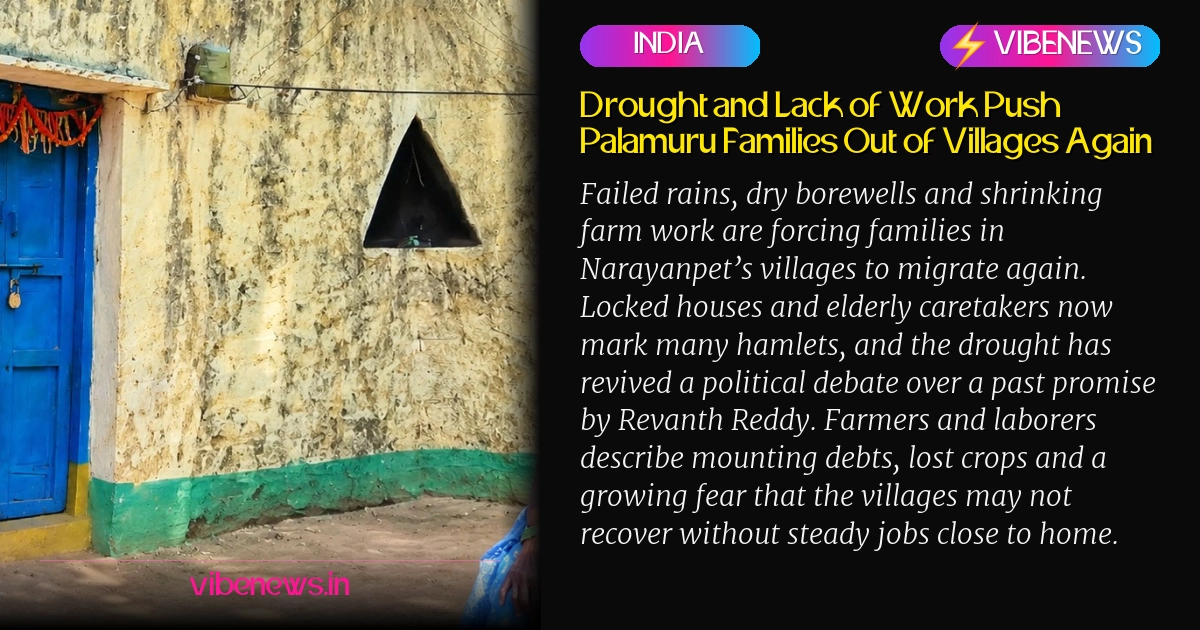
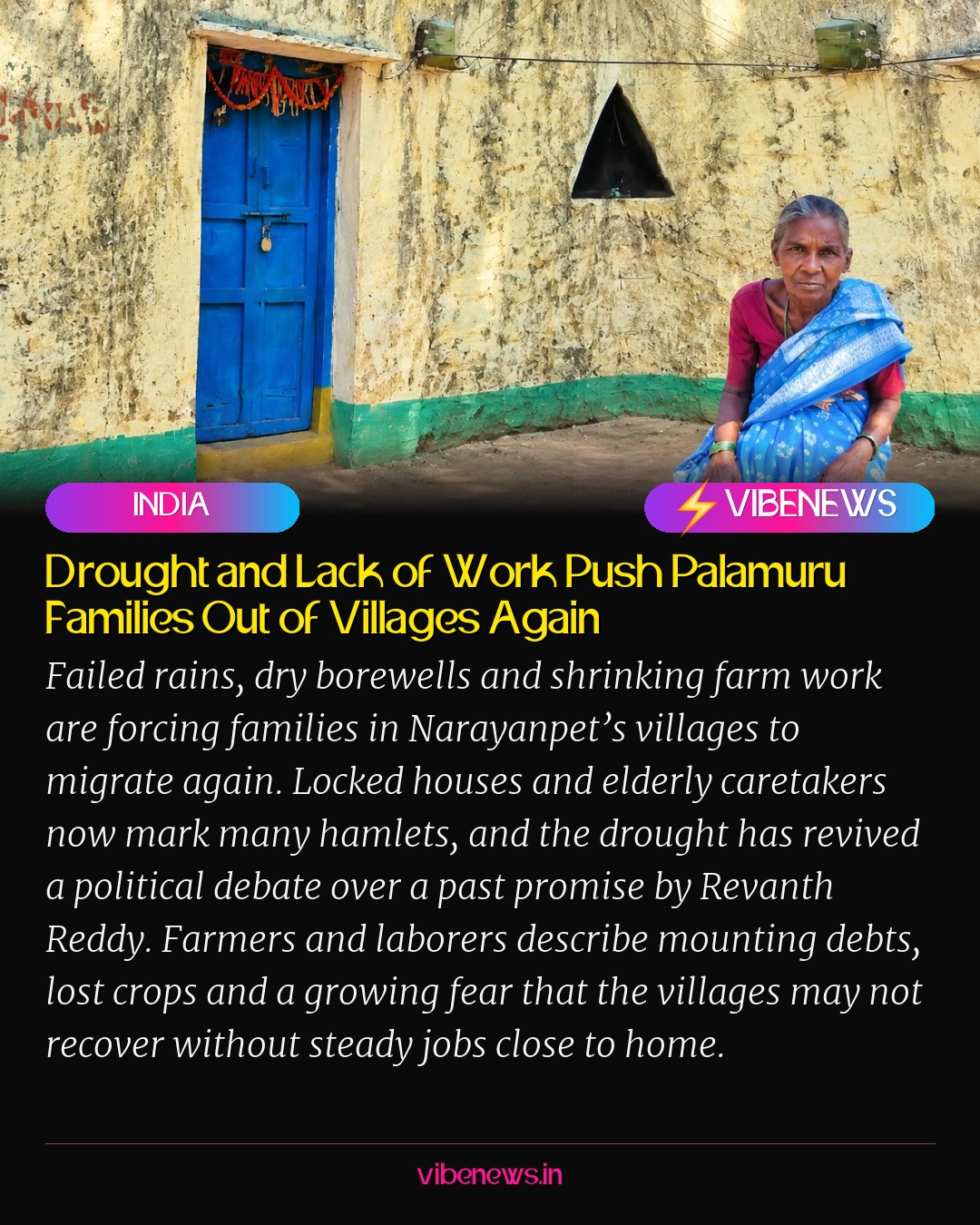
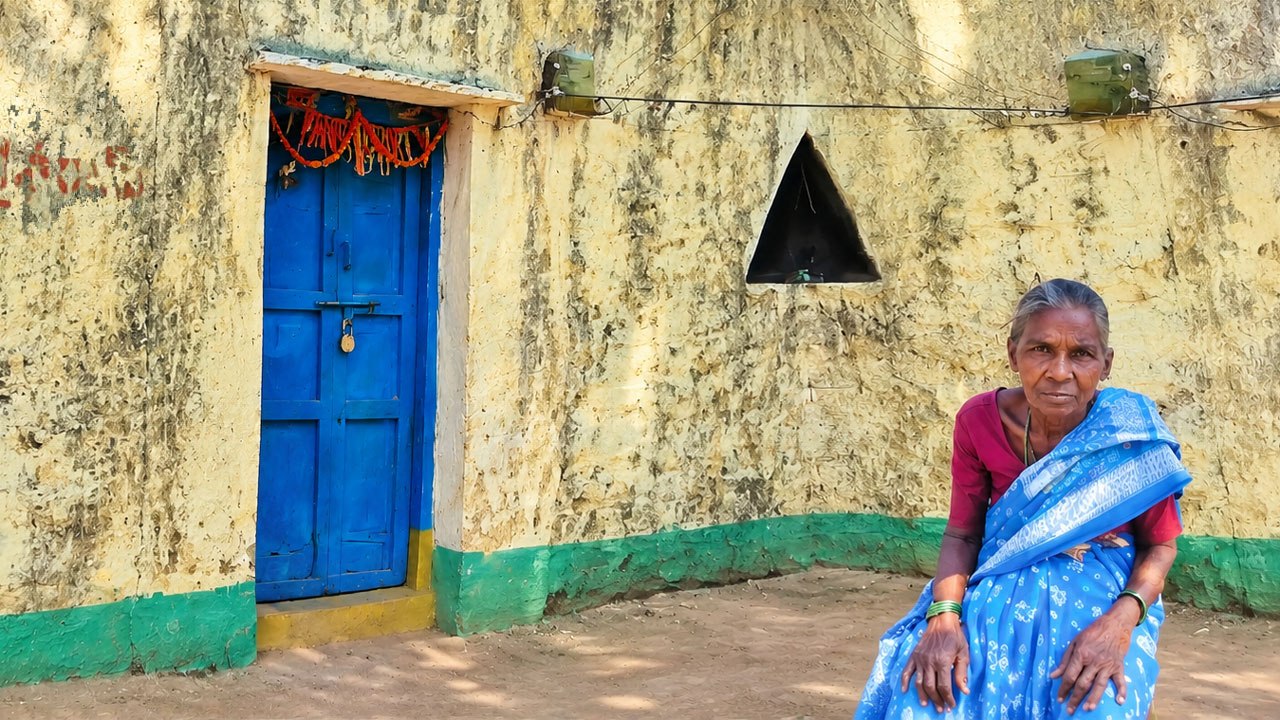
The Krishna river flows close to this region, yet many fields have turned barren for want of irrigation water. Palamuru has long carried the label of a drought-hit district, and residents say that old pattern is returning. In several villages, houses now stand with locks on the doors, and only the elderly remain to guard them.
The migration is visible across Narayanpet, Maddur, Damaragidda, Dhanwada and neighbouring mandals. In Narayanpet mandal, villages such as Kollampalli, Antwar, Lakshmipur and Perapalla Thanda have seen large numbers leave. In Dhanwada mandal, Mandipalli, Mandipalli Thanda and Manipur Thanda are affected. Workers who leave find jobs in construction, factories, hotels and other unorganised sectors in those cities.
Villagers say they would rather stay. Many laborers told reporters that they want to live with their families in their own villages, but they cannot feed them there. Rain did not arrive on time, groundwater has fallen, and borewells have dried up. When the farming season is over, the few days of work that remain are not enough to keep a household going. Laborers say they search from village to village for daily wage work and still cannot find enough. Taking loans to survive at home, they reason, is worse than going to a city and working hard.
The pressure begins with the farmer. Seeds, fertiliser, pesticides, labour and tractor hire have all grown more expensive at every stage of cultivation. When the crop finally reaches the market, prices often fall short of what farmers expected. Many are left with debts they cannot repay and no money to plant the next season. Farm workers depend on what farmers grow, so when a farmer’s field fails, the labourer’s income disappears with it.
A farmer from Mandipalli, Chintala Manemma, owns one acre and 30 guntas of land. She returned from Mumbai, where she had lived with her family, to grow paddy. She borrowed money and invested in the crop. When the plants were close to harvest, water stopped reaching the field and the paddy dried out. Her husband has since died, and the responsibility for the household now falls on her alone. She said the loans for farming are one burden, and feeding the family is another. She asked the government to recognise farmers like her and offer financial support.
Chintala Narsamma, also of Mandipalli, has two sons. Work at home was not enough to support the family, so her elder son went to Mumbai to earn a living. She lives with her younger son in the village. She said she still hopes her children could stay close to home, but there is no work for them there. Her household now depends largely on the money her elder son sends from Mumbai.
Kondapur Narsamma of Mandipalli owns five acres. She grew three acres of paddy and two of cotton. She had hoped a good harvest would ease the family’s finances and clear old debts. Lack of rain and water destroyed the crops, and the money spent on them was lost. Her two sons have now left to find work in a town, because she cannot see how else the debts can be repaid.
Villages that once buzzed with farm work now feel empty, residents say. Families that have migrated leave behind the elderly and the younger members who stayed. The responsibility for household survival rests on those left behind. Migrant workers also face high rents, rising living costs and little job security in the cities.
The drought has also reopened a political argument. Before the last assembly elections, Revanth Reddy, then the PCC president, said that the old days would return if his party came to power. Critics now say the current situation reflects the reverse of that promise, with villages returning to migration. Opposition parties and commentators are likely to press that point. Residents interviewed say what they expected was simple: more work in the villages, farmers free of debt, and labourers finding jobs close to home. Instead, the migration debate has returned, and that worries many families.
What villagers want is equally simple. They argue that rural prosperity depends on the farmer first, because a farmer who earns well employs labourers, and labourers who have work keep village shops and trade running. They want irrigation facilities, support for farming, employment guarantee work, small industries and local job creation to be made a priority. For them, the real measure of rural development is whether families who left can return and live with dignity in their own villages.
Our village is where we belong, but we cannot feed our children there. We want to come home and stay.
Several villages now show locked doors and quiet streets. Whether the government responds with water, farm support and local jobs will decide if those families come back.
TL;DR
- Drought, failed crops and dry borewells are pushing families in Narayanpet’s Palamuru villages to migrate again.
- Farmers say input costs keep rising while crop prices fail to cover their investments and loans.
- Migrant workers from Narayanpet district are heading to Mumbai, Pune, Bengaluru, Surat and Hyderabad for construction and unorganised work.
- In many villages, houses are locked and only elderly residents remain behind to look after them.
- The drought has revived a political debate over a past promise made by Revanth Reddy about bringing back earlier days.