The Planned Protest and Allegations
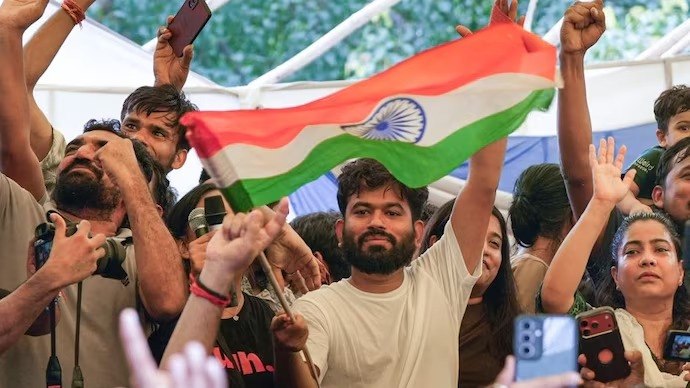
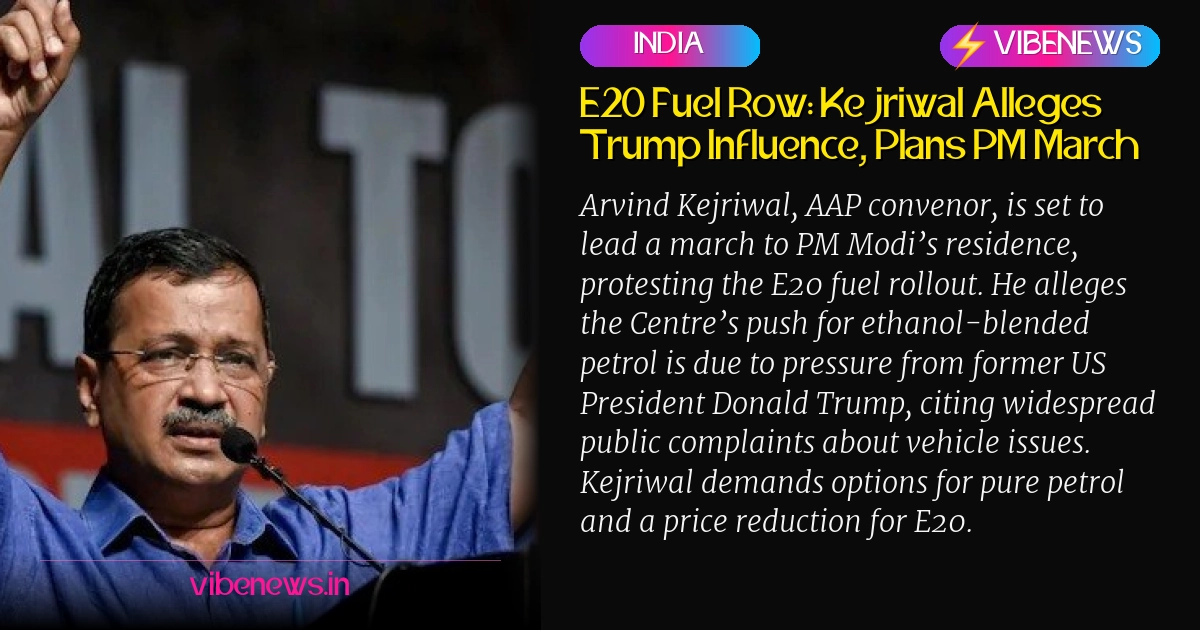
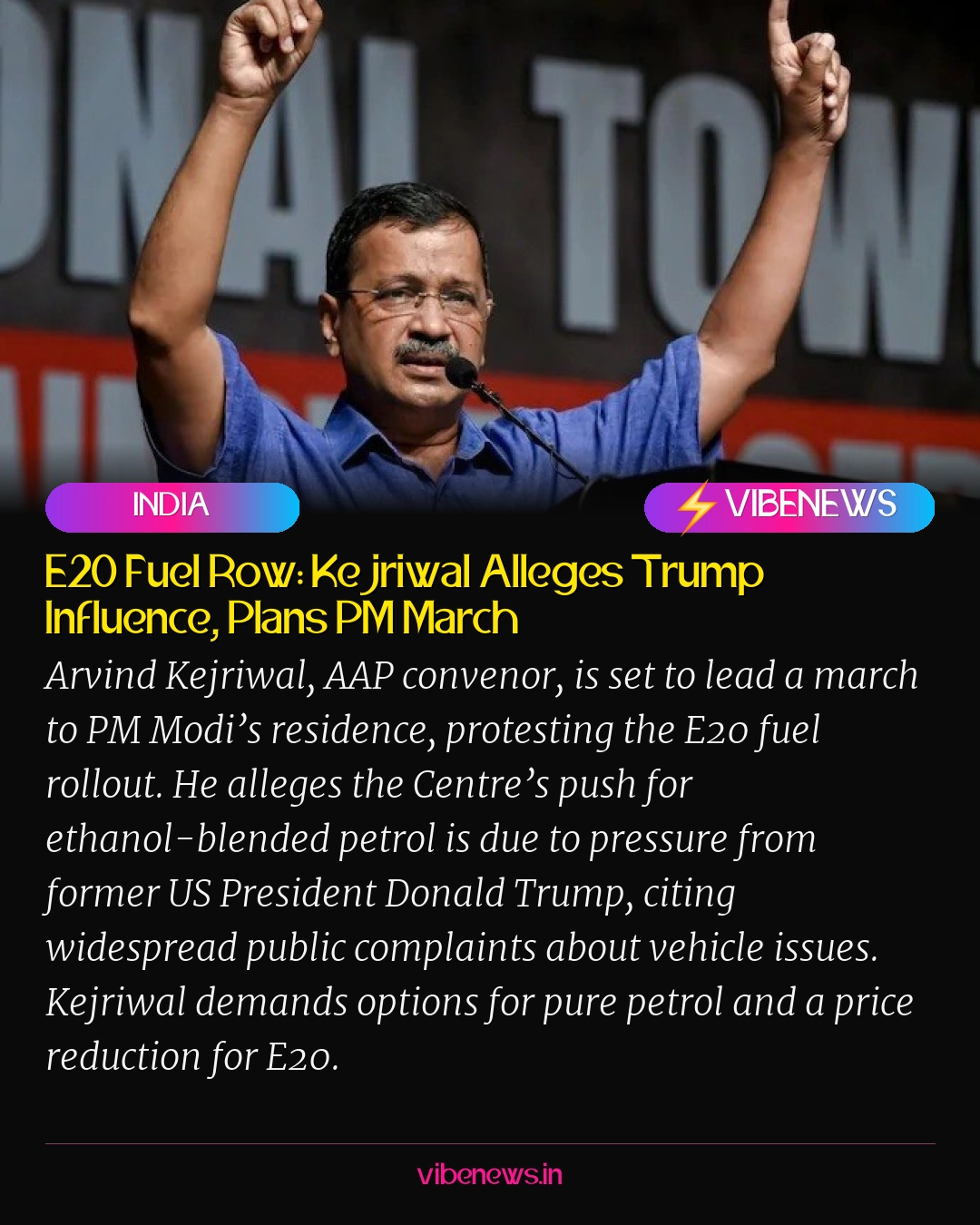
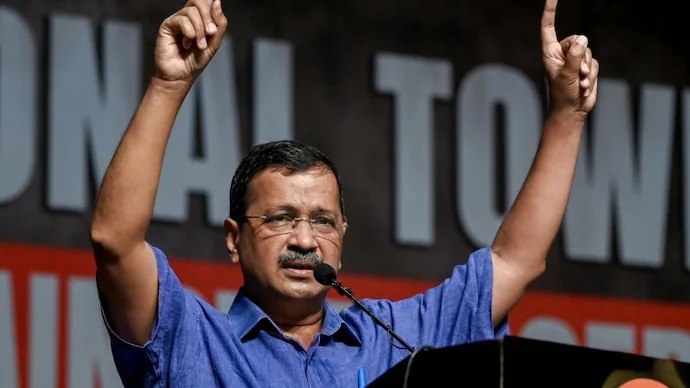
Aam Aadmi Party (AAP) national convenor Arvind Kejriwal announced a significant protest, stating he would lead a march to Prime Minister Narendra Modi’s residence on Tuesday. The demonstration aims to submit petitions against the widespread rollout of E20 fuel, a blend of 20% ethanol and 80% petrol, which has become a contentious issue across the nation.
Kejriwal, addressing a press conference, leveled a serious accusation against the central government, claiming its aggressive push for ethanol-blended petrol is a direct result of pressure from former US President Donald Trump. He suggested that India had "yielded" to Trump’s influence to facilitate the purchase of ethanol from the United States, implying a "hidden agenda" behind the policy’s continued implementation despite public outcry.
Public Concerns and AAP’s Advocacy
The AAP leader highlighted a growing wave of public complaints regarding vehicle-related problems attributed to E20 fuel. These concerns range from potential damage to older vehicle components to perceived reductions in fuel efficiency, prompting widespread anxiety among vehicle owners.
In response to these grievances, Kejriwal revealed that AAP had launched an online petition addressed to the Prime Minister, which garnered over 233,238 signatures in a short period. He emphasized that the planned march is a direct consequence of the government’s failure to respond to a letter sent last month, in which he sought an appointment to discuss the E20 concerns and present the public’s petitions.
The party also organized an "Ethanol Townhall" last week, which Kejriwal described as a "huge success," drawing significant virtual participation from citizens eager to voice their experiences and concerns. The collective sentiment from these platforms underscores a demand for greater transparency and alternative fuel options.
India’s Ethanol Blending Ambition
The government’s push for E20 fuel is part of a broader national strategy to achieve energy security and reduce reliance on crude oil imports. India has set ambitious targets for ethanol blending, aiming for E20 nationwide by 2025, a significant leap from the earlier E10 (10% ethanol) and E5 (5% ethanol) mandates.
Proponents of the policy argue that increased ethanol blending offers multiple benefits, including a reduction in the country’s massive oil import bill, support for the domestic agricultural sector (particularly sugarcane farmers who produce ethanol), and a step towards cleaner fuel alternatives. Ethanol is considered a relatively cleaner-burning fuel, contributing to lower greenhouse gas emissions compared to pure petrol.
Technical Realities and Consumer Impact
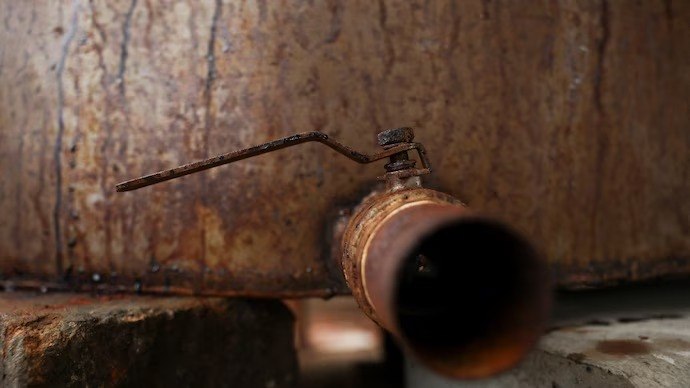
While the environmental and economic benefits are often cited, the transition to higher ethanol blends like E20 presents technical challenges, especially for the existing fleet of vehicles. Many older vehicles are not designed to handle E20 fuel, which can lead to issues such as corrosion of fuel lines, degradation of rubber and plastic components, and potential engine damage over time.
Automobile manufacturers have been gradually introducing E20-compliant vehicles, but a significant portion of the vehicles currently on Indian roads are not compatible. This incompatibility is at the heart of the public complaints, as consumers face the dilemma of potential vehicle damage or the lack of alternative fuel options at petrol pumps.
The Legislative and Economic Landscape
The government’s ethanol blending program is supported by various policy initiatives, including incentives for ethanol production and a phased rollout plan. The move towards E20 is seen as a critical component of India’s energy transition roadmap, aligning with global efforts to diversify energy sources and mitigate climate change impacts.
However, the economic implications for consumers are also a point of contention. Kejriwal’s demands include not only the availability of pure petrol as an option but also a reduction in the price of ethanol-blended petrol. This highlights the dual challenge of ensuring fuel compatibility and affordability for the common citizen amidst a major policy shift.
Editorial Context
The planned march by Arvind Kejriwal and the AAP against E20 fuel represents more than just a political protest; it signifies a critical juncture in India’s energy policy implementation. The allegations of foreign influence, while unverified, add a layer of geopolitical intrigue to a domestic policy debate that directly impacts millions of vehicle owners and the nation’s environmental goals.
In the long term, this development underscores the complexities of balancing ambitious national targets with practical ground realities and public sentiment. The government’s ability to address the genuine concerns of citizens regarding vehicle compatibility and fuel pricing, while maintaining its commitment to energy security and sustainability, will be crucial. This episode could shape future policy dialogues on fuel standards, consumer rights, and the accountability of governance in implementing large-scale national programs.
TL;DR
- Arvind Kejriwal is set to lead a march to Prime Minister Narendra Modi’s residence on Tuesday, protesting the E20 fuel policy.
- Kejriwal alleges the central government’s E20 push is influenced by former US President Donald Trump, suggesting a "hidden agenda."
- Over 2.3 lakh citizens have signed an online petition citing vehicle-related problems with E20 fuel.
- The Aam Aadmi Party demands the availability of pure petrol as an option and a reduction in the price of E20 fuel.
- The protest highlights growing public concerns and political opposition to India’s ambitious ethanol blending program.