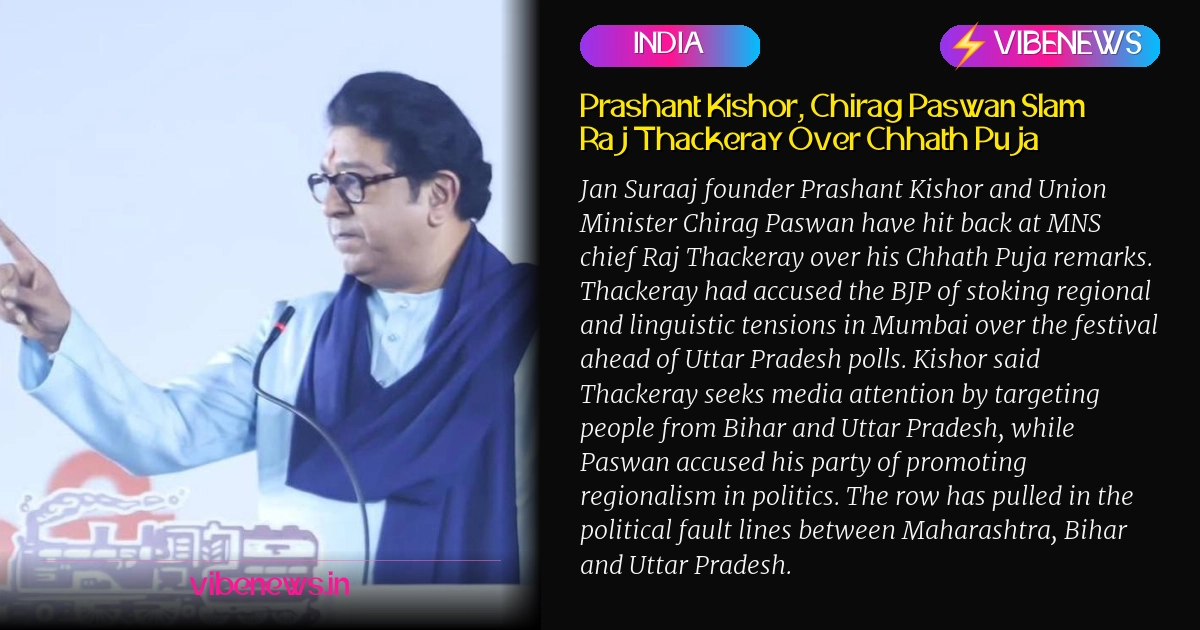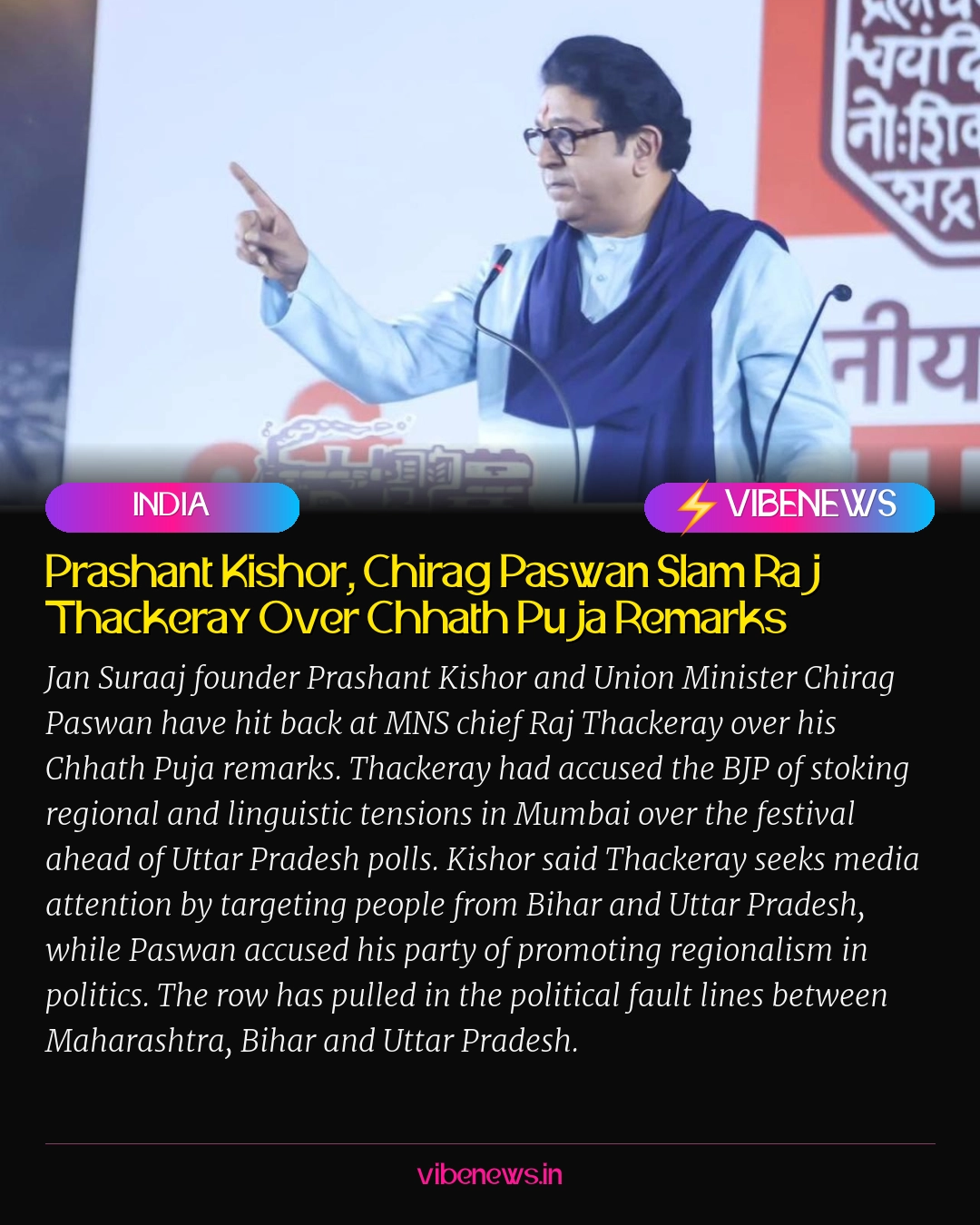
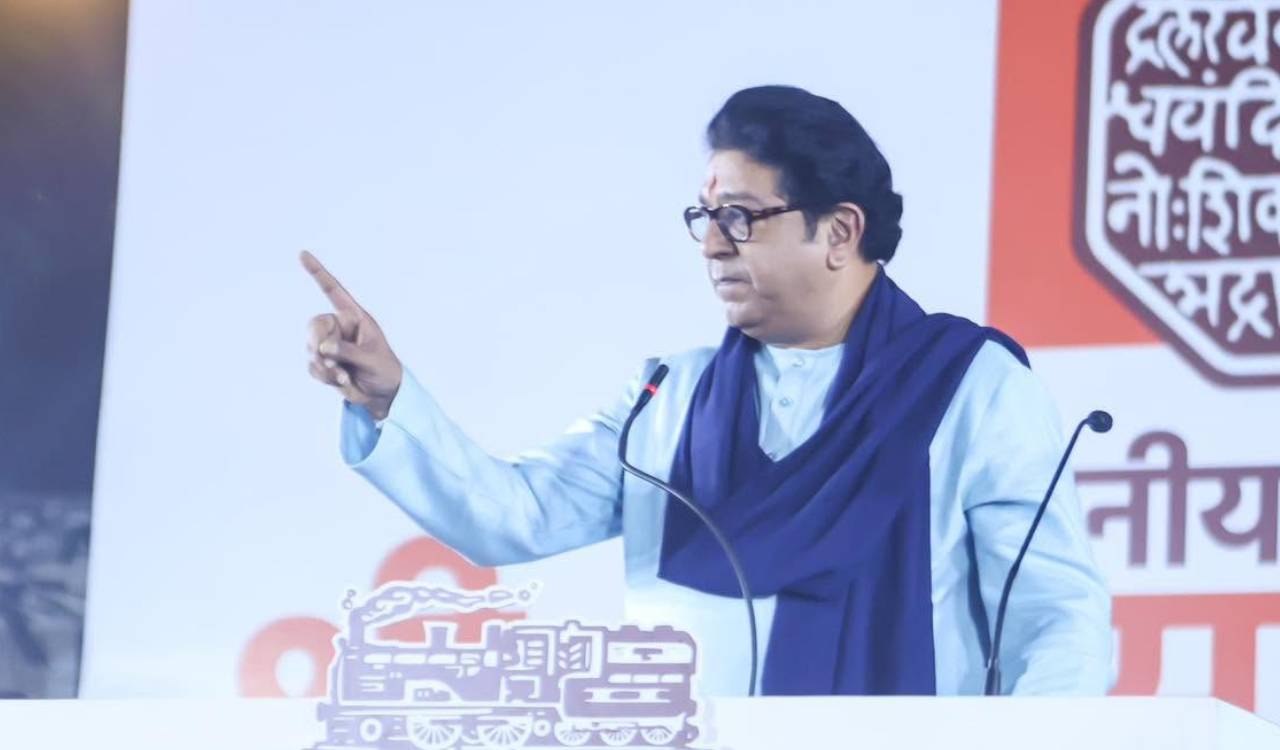
MNS chief Raj Thackeray faced sharp criticism on Saturday after accusing the BJP of fuelling linguistic and regional tensions in Mumbai over Chhath Puja, and two senior political figures moved quickly to hit back at him.
The row started a day earlier, when Thackeray posted on X that the BJP was trying to manufacture a conflict over the festival. In his telling, the party wanted to reap political dividends in the Uttar Pradesh Assembly elections early next year. He said the BJP was circulating reels on social media that framed the rituals as a “cultural invasion”, and that people had tried to play Bhojpuri music at certain railway stations in Mumbai. According to Thackeray, the MNS shut that attempt down.
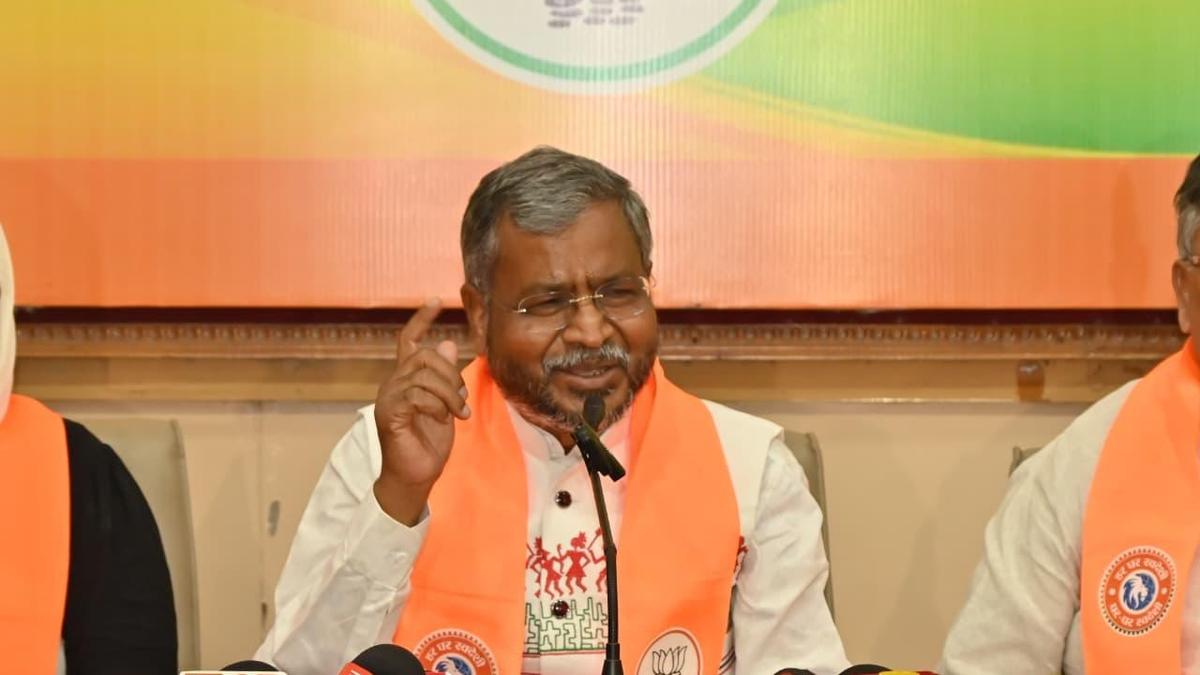
Those claims did not sit well with Prashant Kishor, the Jan Suraaj Party founder and Bankipur MLA from Bihar. He did not spend much time on the substance. Instead, he went after the man himself and the way the media covers him.
“When no one pays him any attention, he manages to secure space in the media by making remarks about people from Uttar Pradesh and Bihar.”
Kishor told reporters that the media should stop giving a platform to figures like Thackeray. He accused the MNS chief of having one agenda, which is staying in the spotlight by any means necessary. Whenever Thackeray goes unnoticed for a stretch of about six months, Kishor said, he surfaces with a comment against people from Bihar or Uttar Pradesh. It is a pointed charge, and one that puts the media itself in the frame, not just the politician.
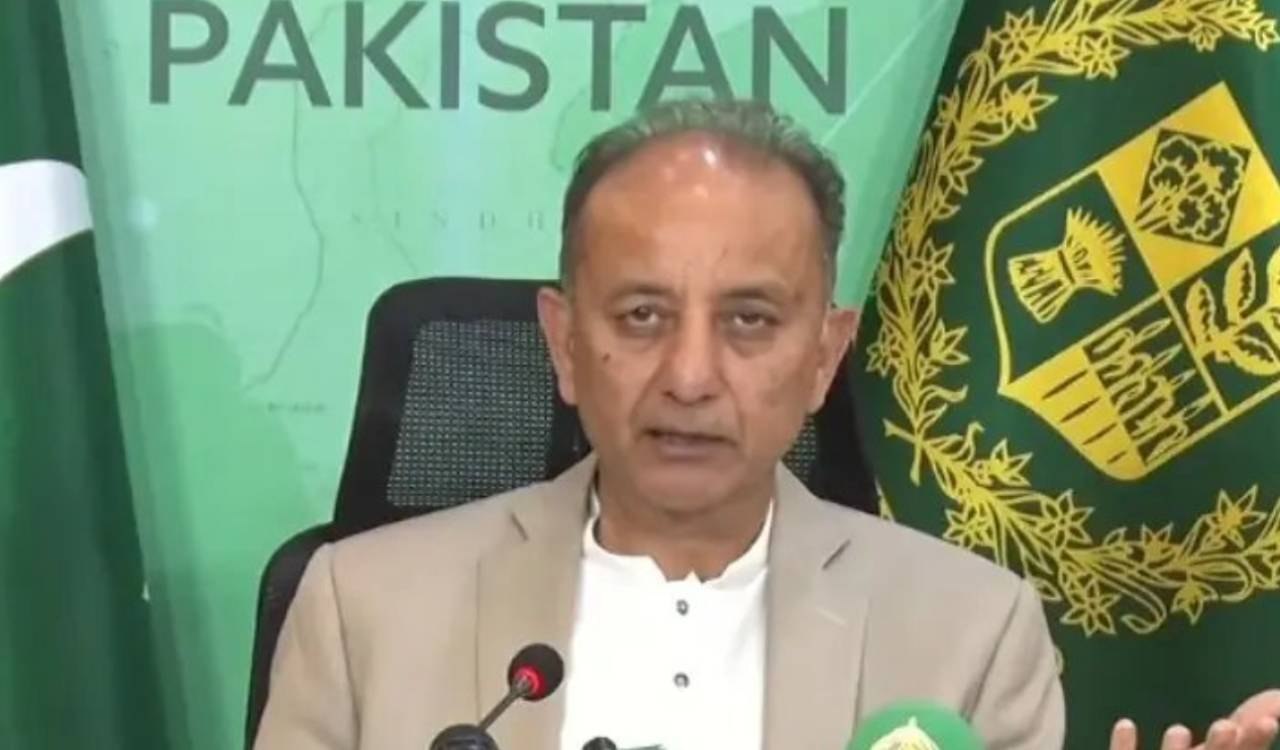
Union Minister Chirag Paswan, who leads the LJP-Ram Vilas, went further on the ideology behind the MNS. He said the party has consistently promoted regionalism in politics, and that this is simply how its leadership thinks. Paswan also tied the controversy to a much bigger point about who builds the country’s economy. He said a large section of the population from Bihar and Uttar Pradesh lives and works in Mumbai, and that they have always helped keep the wheels of the national economy turning.
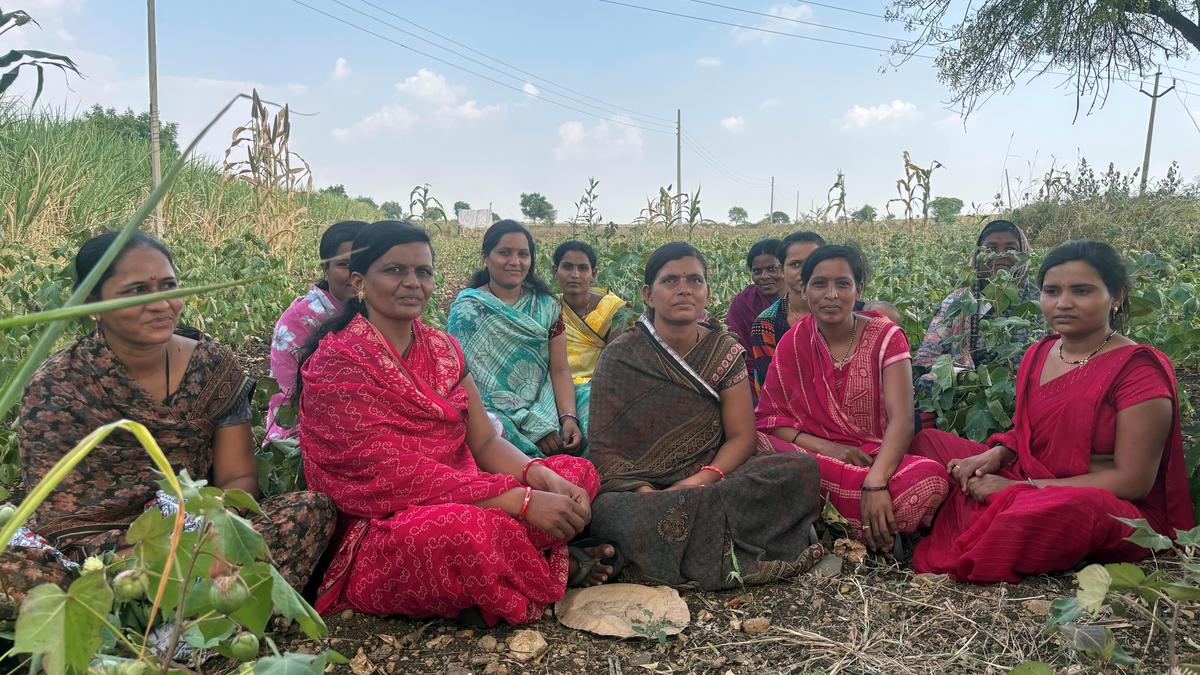
His argument was specific about the kind of work these people do. Paswan said they contribute as labourers, as part of the workforce, and as entrepreneurs and business owners. He added that there would hardly be any part of the country where people from Bihar and Uttar Pradesh are not contributing in some capacity. That framing turns the dispute from a festival argument into a question of whether migrant workers are being cast as outsiders.
Paswan also brought up Raj Thackeray’s uncle, Bal Thackeray, who he said never insulted North Indians and never promoted regionalism. The comparison was meant to cut deep. Paswan said plainly, “I think this kind of thinking should not be encouraged.” He did not go beyond that line, but the message to the MNS was clear enough.
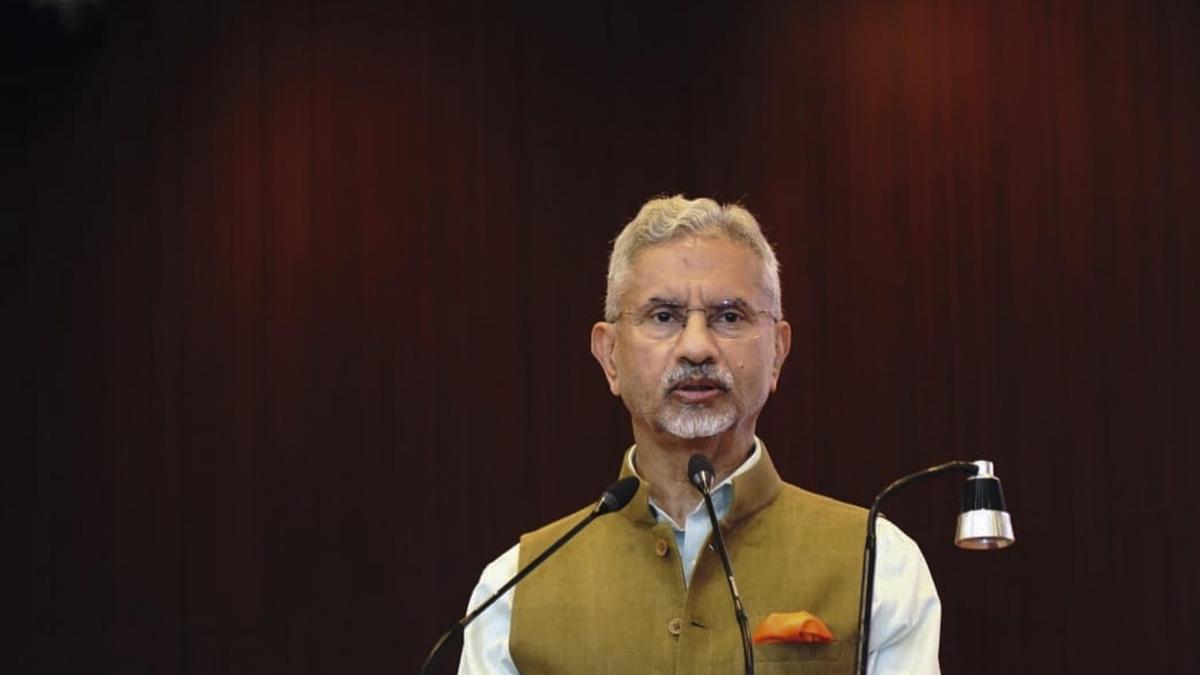
The criticism did not come only from opposition-aligned voices. Vishva Hindu Parishad National Spokesperson Vinod Bansal urged leaders to rise above politics during the festival season. He described Chhath Puja as the grand festival of worshipping Lord Surya and nature, and said Hindu festivals should stay above politics, something he said has not been seen over the past few decades. Bansal acknowledged that politicians engage in politics wherever the public is connected. Still, he said hateful politics, anti-Hindu politics, or anti-religion politics gets exposed on its own.
Bansal’s remarks add a religious dimension to a fight that has so far been fought mostly over migration, identity and electoral strategy. He did not name Thackeray in the report’s account of his comments, but his call for festivals to stay out of politics landed in the middle of the same argument. Whether that call will calm the exchange or simply add another voice to it remains to be seen.
What makes the episode sting for people from Bihar and Uttar Pradesh is the way it has been framed. Thackeray’s remarks were seen as an attack on the sentiments of those hailing from both states, and the replies from Kishor and Paswan treated them that way. The reaction is not just about one party or one leader. It goes to the heart of how Mumbai’s large migrant population is talked about in public, especially in the run-up to a major election in Uttar Pradesh.
The core claim, that the BJP is manufacturing tension over Chhath Puja, rests on Thackeray’s own allegations, and the report presents it that way. The reels and the Bhojpuri music incident at railway stations are described as his account, and the MNS side has not been detailed in the reporting available here. Readers should keep that distinction in mind as the exchange continues. What is clear is that the festival, which celebrates the sun god and nature, has now become the center of a bitter political argument between Maharashtra and the Hindi heartland.
TL;DR
- Raj Thackeray accused the BJP of stirring regional and linguistic tensions in Mumbai over Chhath Puja, a claim the party’s critics say is designed to win votes.
- Prashant Kishor said Thackeray seeks media attention by targeting people from Bihar and Uttar Pradesh whenever he goes unnoticed.
- Chirag Paswan said the MNS has consistently promoted regionalism in politics and should not be encouraged in that thinking.
- Paswan stressed that migrants from Bihar and Uttar Pradesh keep the country’s economy running as labourers, workers and entrepreneurs.
- VHP spokesperson Vinod Bansal urged leaders to keep Hindu festivals above politics during the celebrations.