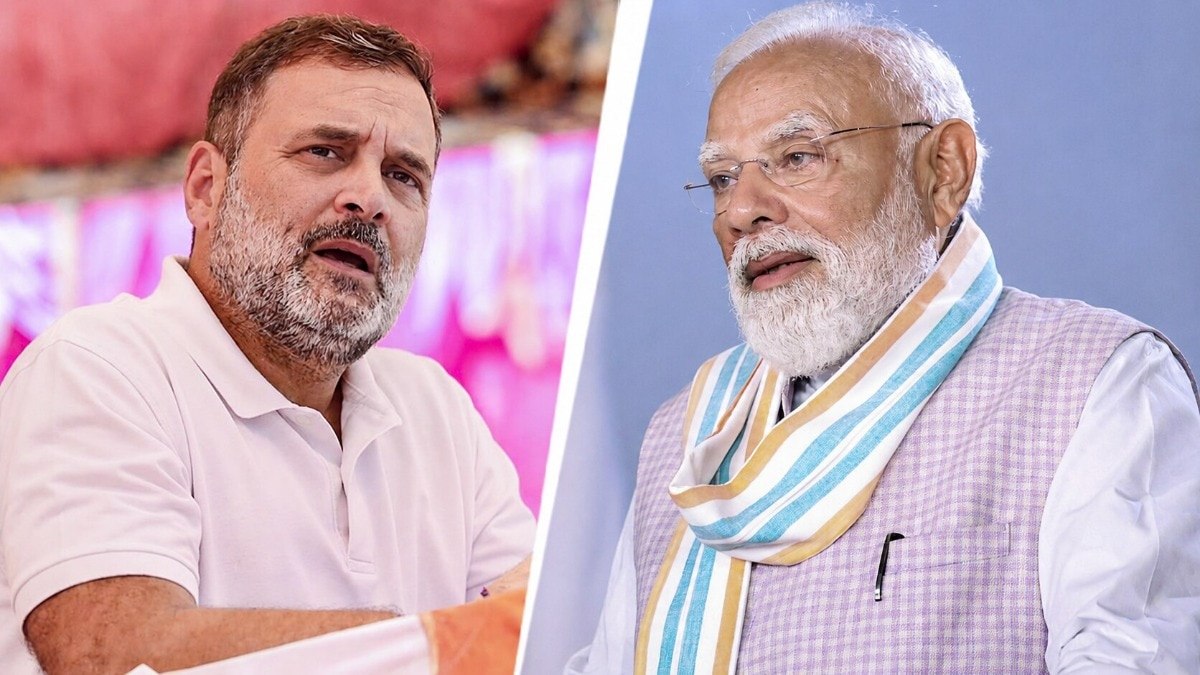
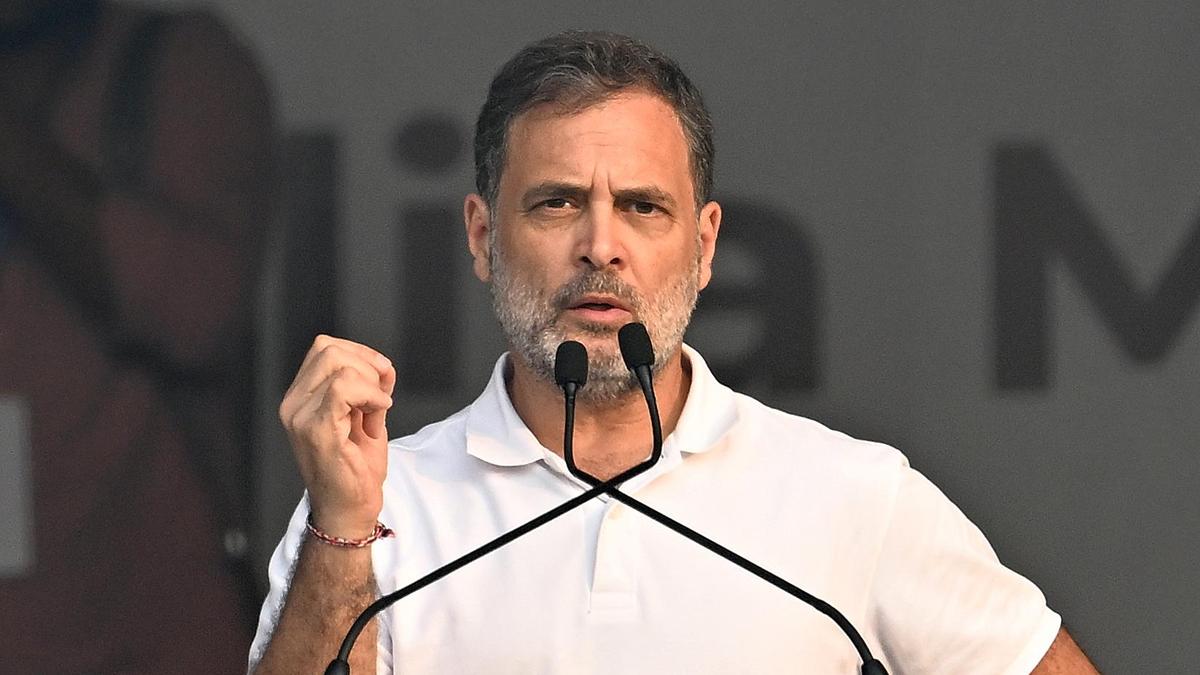
Rahul Gandhi has challenged Prime Minister Narendra Modi to an open debate, alleging that Modi became Prime Minister and continues to hold the post because of "foreign help." The Leader of the Opposition in the Lok Sabha made the claim in a post on X on Monday, November 2, 2026.
The attack was a direct response to Modi’s own charge. The Prime Minister had accused the Opposition of taking foreign help to destabilise the country, and Gandhi fired back within days with a sharper accusation of his own.
The Charge Itself
Gandhi’s post did not hedge. "Mr. Modi, stop lying to this nation," he wrote. "You became PM because of foreign help. You remain PM because of foreign help. Your financial system is fully controlled and supported by foreigners. Foreign social media fully backs you."
He then issued the challenge itself. "I challenge you to an open debate about this. Any stage, any time," he wrote. "Come if you have the guts. You won’t dare, because you are terrified of what I know about you."
Gandhi also shared a screenshot of a media report covering Modi’s remarks. That move put the Prime Minister’s words directly beside his own, leaving readers to compare the two.
What Modi Said
The exchange traces back to Modi’s speech in Gujarat on Saturday, October 31. Modi said that while the country was seeking solutions to external challenges, "some forces within the country were also creating instability by spreading lies and rumours." He added that "the countrymen stood shoulder to shoulder with the nation."
He went further on the Opposition. "It is our misfortune that at this time in the country, the Opposition has turned into an avrodh paksh (destructive force) rather than virodh paksh (opposing side)," Modi said. "In their frustration, these people are standing as obstacles in the way of the country’s development. This is not opposition; this is obstruction."
Modi also said the Opposition was "engaged in shredding the boundaries of the Constitution." He pointed to social media as a channel for rumours, saying it was being used to spread them.
The Dig Without the Name
Modi’s most pointed remarks did not name Gandhi, but the target was clear to anyone following the exchange. The Prime Minister said that "due to the frustration of more than a decade, these people have now come out in the open."
He then asked a string of questions. "Who is secretly meeting whom abroad? Whom are the anti-India forces supporting? Who is speaking the language of India’s enemies? We will have to recognise all these patterns."
Those lines tied Gandhi’s foreign trips to the charge of working with "anti-India forces," without stating the link outright. Gandhi’s reply turned that same language back on Modi, pointing to foreign backing for the Prime Minister himself.
The Street Backdrop
The war of words came one day after a large show of Opposition strength. On November 1, 2026, Gandhi took part in a "Save Democracy" march against what Congress describes as alleged electoral irregularities. The march was held at Ramlila Maidan in New Delhi, and it carried a clear demand: the resignation of Chief Election Commissioner Gyanesh Kumar.
That demand puts the election body itself at the center of the fight. Congress is not only trading barbs with the Prime Minister. It is pressing a constitutional office holder to step down, while accusing the government of relying on outside support.
Gandhi’s challenge, in that light, reads as an attempt to move the argument from the rally ground to a stage where he can face Modi directly. He set no venue and no date beyond "any stage, any time."
Why the Foreign Angle Hits Hard
Allegations of foreign interference in a national democracy carry a weight that domestic policy fights rarely do. Both sides are now using the word "foreign" as a weapon. Modi says the Opposition is taking foreign help to destabilise the country. Gandhi says the Prime Minister owes his office to foreign help and that foreign social media backs him.
Neither claim is accompanied in the available reporting by new evidence presented in the exchange itself. What is on record are the statements, the timing, and the escalating language. That is enough to explain why the row is drawing attention well beyond the usual political circuit.
The language is also personal. Gandhi’s "you won’t dare" and "terrified of what I know about you" move the dispute from policy to a test of nerve. Modi’s "this is not opposition; this is obstruction" frames the Opposition as a threat to national progress. Each side is telling its base that the other is not fit to lead.
For a Prime Minister and an Opposition leader who rarely share a stage in open formats, the offer of a debate is itself a headline. Whether it is accepted, ignored, or answered only with more statements will shape how the next phase of this fight is read.
What Comes Next
The immediate questions are simple. Will Modi respond to the challenge directly? Will the government address the allegation of foreign financial control? And will the Election Commission be pressed further over the demand for Gyanesh Kumar’s resignation?
Right now, the public record shows two leaders making opposite claims with equal force. One says the Opposition is working with outside forces to break the country. The other says the Prime Minister is held in power by outside forces. Both accusations are now on the table, and the challenge to meet in open debate has been issued.
TL;DR
- Rahul Gandhi challenged PM Narendra Modi to an open debate on Monday, alleging Modi became and remains PM because of "foreign help."
- The challenge came after Modi accused the Opposition of taking foreign help to destabilise the country in a speech in Gujarat on October 31.
- Gandhi said Modi’s financial system is controlled and supported by foreigners and that foreign social media backs him.
- Modi said the Opposition had turned into a destructive force and was "engaged in shredding the boundaries of the Constitution."
- The row follows a "Save Democracy" march at Ramlila Maidan in New Delhi on November 1, demanding Chief Election Commissioner Gyanesh Kumar’s resignation.