Rahul Gandhi's Strong Criticism
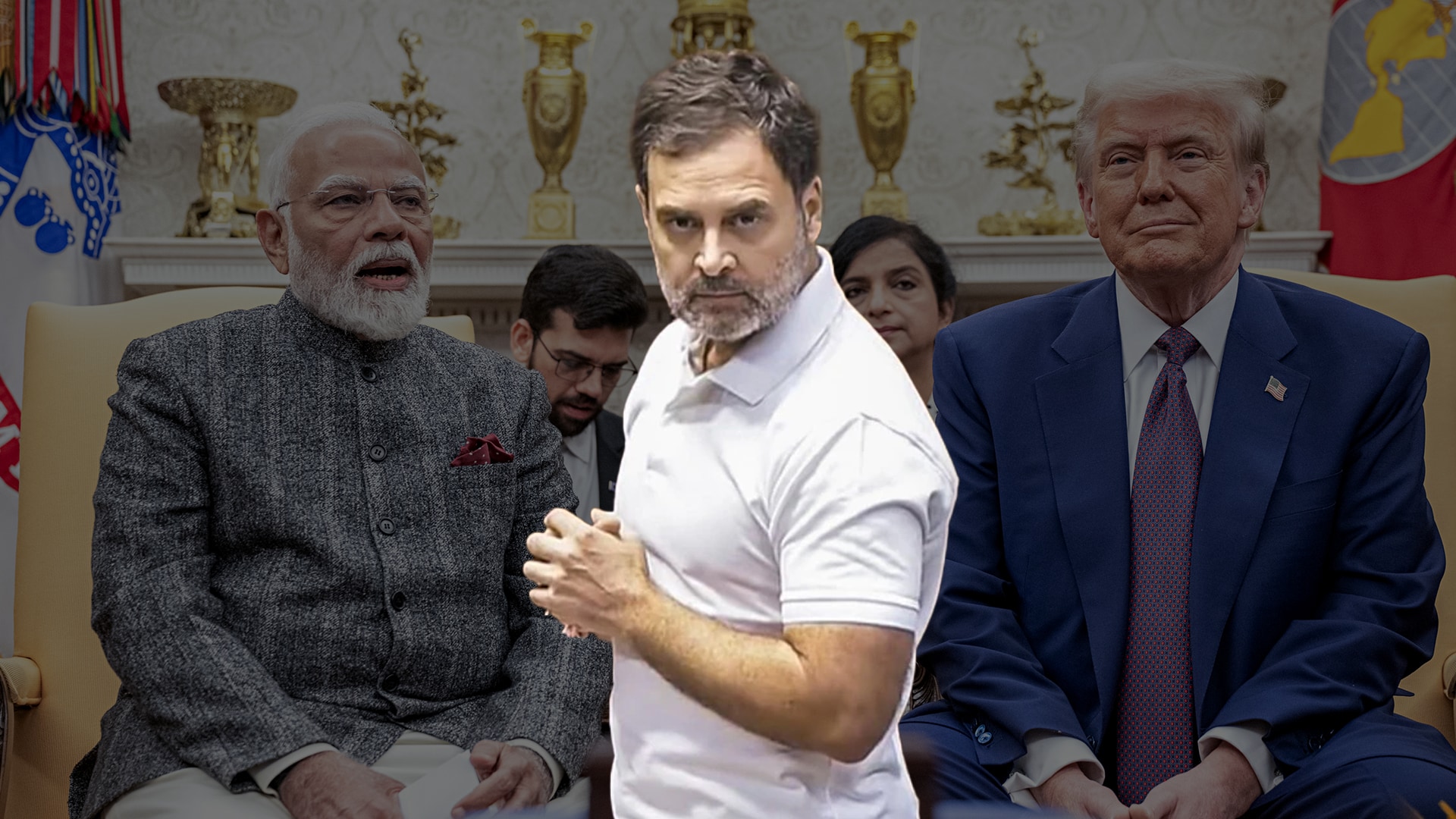
Rahul Gandhi, the Leader of Opposition in the Lok Sabha, launched a sharp attack on the India-US trade deal during a parliamentary debate. He expressed deep concern that the reduction of US tariffs on Indian goods from 50% to 18% came at the cost of opening Indian markets to American agricultural products. Gandhi specifically highlighted the potential damage to the dairy and poultry sectors, arguing that cheap US imports could flood the market and undercut local producers. He stated that the deal was heavily tilted in favor of the United States and would ultimately harm the backbone of India's rural economy — the small and marginal farmers who form the majority of the agricultural workforce.
Government Defence and Safeguards
The government, through Commerce Minister Piyush Goyal, defended the agreement as a carefully negotiated pact that protects India's sensitive sectors. Goyal emphasized that agriculture, dairy, and fisheries were kept out of the deal's immediate tariff reductions. He pointed out that the first tranche focuses on non-sensitive areas like gems, jewellery, and certain industrial goods, with full safeguards for farmers. The government also highlighted the potential export gains for Indian products in the US market, which could benefit farmers indirectly through increased demand for processed foods and related sectors.
Broader Political and Economic Implications
The debate comes at a time when farmer distress remains a sensitive issue in India, particularly in states like Punjab, Haryana, and Uttar Pradesh. Opposition parties, including Congress, have accused the Modi government of prioritizing international trade over domestic interests. The deal has also sparked discussions on food security, with experts warning that increased imports could affect local prices and farmer incomes. On the other hand, supporters argue that the agreement opens new markets and brings technology transfers that could modernize Indian agriculture in the long run.
Public and Expert Reactions
The controversy has generated significant public debate on social media and in farmer unions. Many farmers' groups have expressed fears of a repeat of past trade deals that led to import surges. Economists are divided: some see the deal as a necessary step for India's integration into global value chains, while others caution against hasty liberalization without robust domestic support mechanisms. The timing of the debate, just months before key state elections, has added a political dimension, with Rahul Gandhi positioning Congress as the defender of farmer interests.
Historical Context
India has a long history of protecting its agriculture sector through high tariffs and subsidies. The current deal marks a shift toward more open trade, reflecting India's growing confidence as an export-oriented economy. However, the government has repeatedly assured that no deal will compromise farmer welfare, citing previous successful negotiations with the EU and UK that included similar safeguards.
Vibe View:
The vibe of Rahul Gandhi's criticism of the US trade deal is sharp political confrontation mixed genuine concern for farmers—like opposition leader using parliamentary platform to highlight potential rural distress vibe assertive accountability energy, you know? Gandhi's warning on dairy poultry imports flooding market vibe strong farmer protection stance vibe emotional appeal to rural base. Government defence safeguards sensitive sectors vibe balanced counter vibe pragmatic trade diplomacy tone. Broader debate liberalization vs protectionism vibe classic tension Indian economic policy vibe ongoing ideological clash. Timing ahead elections vibe strategic political positioning vibe heightened stakes. Overall vibe heated yet substantive discourse on trade impact livelihoods vibe reflective national priorities. Positive vibe hope constructive dialogue leads balanced agreement farmer safeguards diverse agricultural communities. It's that lingering vibe tension empathy intertwined where trade deals meet ground realities diverse Indian rural landscapes. Hoping vibe fosters policies equitable growth protecting vulnerable farmers.
TL;DR
- Rahul Gandhi criticized the India-US trade deal in Parliament for harming Indian farmers.
- He warned that reduced tariffs on US agricultural imports could flood the market and threaten livelihoods.
- Gandhi specifically highlighted risks to dairy and poultry sectors.
- The government defended the deal as balanced with safeguards for sensitive sectors.
- Commerce Minister Piyush Goyal emphasized protection for agriculture, dairy, and fisheries.
- The deal focuses first tranche on non-sensitive areas like gems and jewellery.
- The controversy has sparked debate on food security and farmer incomes.
- Opposition accuses the government of prioritizing international trade over domestic interests.
- The timing of the debate is significant ahead of key state elections.
- Experts are divided on the long-term benefits and risks of the agreement.