Prominent activist Sonam Wangchuk ended his 26-day hunger strike at Medanta Hospital, Gurugram, on Friday, following extensive negotiations with the Centre and amidst significant government action on the NEET paper leak. This strategic de-escalation by Wangchuk aims to prevent potential violence while the broader student-led agitation for education reforms continues nationwide, highlighting a complex interplay between activism and state response.
Wangchuk’s decision comes as the Union government has initiated measures to address the widespread concerns over examination irregularities, including a proposed new law and a major bureaucratic reshuffle. His fast, which began on June 28, drew national attention to the demands for accountability and systemic changes in India’s education sector.
Why Did Sonam Wangchuk End His Fast?
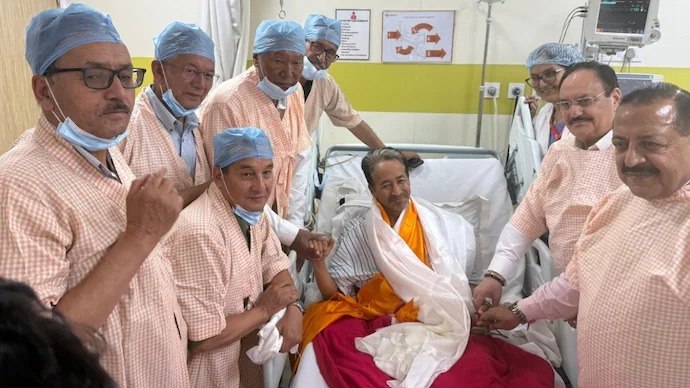
Sonam Wangchuk formally concluded his fast in the presence of Union Ministers JP Nadda and Jitendra Singh. Visuals from Medanta Hospital showed the ministers offering him a sip from a cup, marking the end of his prolonged protest. Wangchuk’s wife, Gitanjali Angmo, was also by his side during this emotional moment.
According to sources, the meeting with Nadda and Singh occurred after discussions with Union Home Minister Amit Shah. Wangchuk later confirmed on X (formerly Twitter) that he broke his fast after "long negotiations" and, crucially, due to concerns that the ongoing agitation could escalate into violence. He stated that 65 Members of Parliament from various political parties had also appealed to him to end his fast.
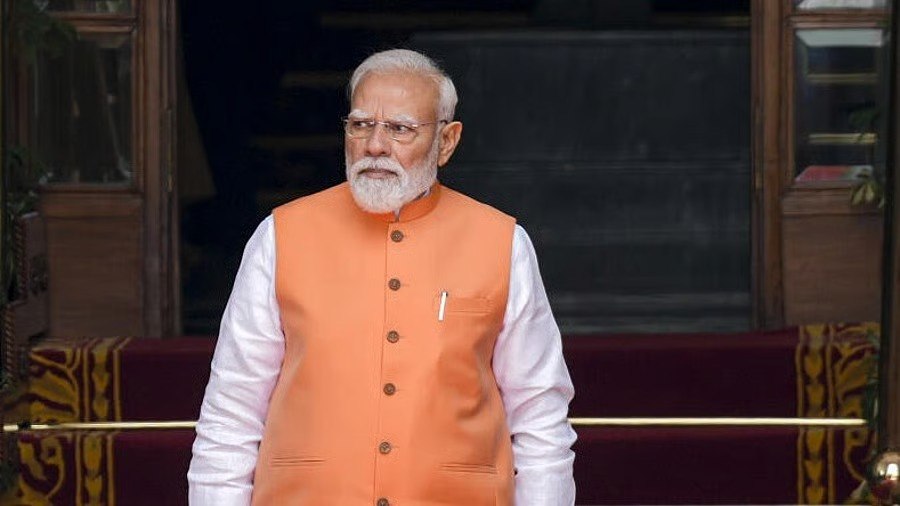
Prime Minister Narendra Modi reacted to the development by wishing Wangchuk a speedy recovery. In a post on X, PM Modi urged Wangchuk to follow doctors’ advice and regain his health as soon as possible, underscoring the national attention the activist’s protest had garnered.
The Context: NEET Paper Leak and Education Reforms
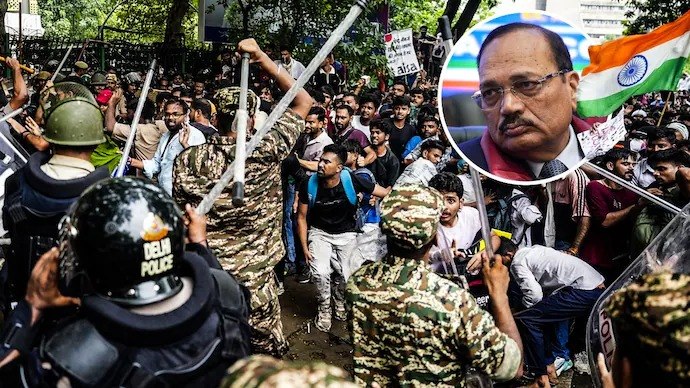
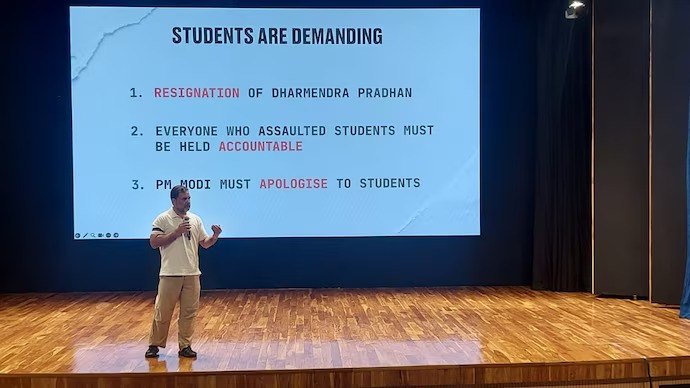
Wangchuk’s indefinite hunger strike commenced on June 28 at Jantar Mantar, joining a student-led agitation against the alleged NEET paper leak. The movement, spearheaded by the Cockroach Janta Party (CJP), has been vocal in its demands for sweeping education reforms, greater accountability over examination irregularities, and the immediate resignation of Union Education Minister Dharmendra Pradhan.
The protests have highlighted deep-seated frustrations among students and parents regarding the integrity of national entrance examinations. Wangchuk’s fast amplified these concerns, bringing them to the forefront of national discourse and prompting a response from the highest levels of government.
Government’s Response to Examination Irregularities
Hours before Wangchuk ended his fast, the Centre unveiled a series of significant measures aimed at addressing the concerns surrounding the NEET paper leak. Prime Minister Narendra Modi announced that the Union Cabinet would discuss a draft law proposing fast-track courts and stricter punishment for individuals involved in examination paper leaks.
Modi emphasized that while re-examinations and result declarations had prevented an academic year loss, the government was not satisfied with these steps alone. The proposed legislation, which includes provisions for speedy trials and tougher penalties, is expected to be finalized after Cabinet approval and introduced in Parliament during the ongoing Monsoon Session, signaling a strong legislative intent to curb such malpractices.
In a related development, the Ministry of Education underwent a major bureaucratic reshuffle. Naresh Kumar Gangwar was appointed as the new Higher Education Secretary, and T K Anil Kumar took charge as Secretary, Department of School Education and Literacy. Former Higher Education Secretary Vineet Joshi was transferred to the Ministry of Panchayati Raj, indicating a clear move to bring in new leadership to tackle the challenges in the education sector.
Wangchuk’s Journey and Health Concerns
During his 26-day fast, Sonam Wangchuk faced significant health challenges. He was initially removed from the protest site at Jantar Mantar and admitted to Delhi’s Safdarjung Hospital. After refusing to end his fast there, his wife, Gitanjali Angmo, approached the Delhi High Court, citing inadequate medical care. The court subsequently permitted his transfer to Medanta Hospital in Gurugram, where he received specialized attention.
Doctors monitoring Wangchuk’s health reported that he had lost approximately 11 kg during the course of his hunger strike, underscoring the physical toll of his protest. His determination to continue the fast, despite the health risks, highlighted the gravity of the issues he was advocating for.
Future of the Agitation: Peace Amidst Continued Demands
Even as he ended his fast, Sonam Wangchuk urged his supporters to maintain peace and vigilance. He expressed deep concern over reports of "anti-social elements" attempting to provoke violence while the protests at Jantar Mantar had remained peaceful. Wangchuk reiterated his commitment to non-violence, stating, "Peace and only peace is my way," and appealed to supporters not to respond with violence.
Despite Wangchuk’s decision to end his personal fast, the broader CJP-led agitation continues. The organization remains firm on its demand for the resignation of Union Education Minister Dharmendra Pradhan and has called for nationwide protests. This indicates that while a key figure has de-escalated his personal protest, the underlying movement for education reform and accountability is far from over, promising continued public discourse and potential demonstrations across the country.
TL;DR
- Sonam Wangchuk concluded his 26-day hunger strike at Medanta Hospital, Gurugram, after negotiations with Union Ministers JP Nadda and Jitendra Singh.
- The decision was influenced by recent government measures addressing the NEET paper leak and Wangchuk’s explicit concerns about potential violence in the ongoing protests.
- Prime Minister Narendra Modi announced a draft law for fast-track courts and stricter penalties for examination paper leaks, alongside a significant bureaucratic reshuffle in the Education Ministry.
- Wangchuk urged supporters to maintain peace, even as the Cockroach Janta Party (CJP) continues its nationwide agitation demanding Union Education Minister Dharmendra Pradhan’s resignation.
- The activist had lost approximately 11 kg during his fast, which began on June 28 over alleged NEET irregularities and broader education reform demands.