Building robust lower body strength and improving balance is crucial for maintaining independence and preventing falls, a growing concern particularly among India’s aging population, with seven key exercises offering a practical and accessible path to achieving these vital health goals. These routines, including fundamental movements like squats and lunges, can be performed with minimal equipment, making them ideal for enhancing daily mobility and overall fitness for individuals across all age groups, right from the comfort of their homes.
Strong lower body muscles in the hips, thighs, legs, and calves are foundational for almost every movement we perform daily. From walking and climbing stairs to simply getting out of a chair or carrying groceries, these muscles provide the necessary support and stability. Neglecting this muscle group can lead to reduced mobility, increased risk of falls, and a decline in overall quality of life.
Why Lower Body Strength is Essential for Daily Life
The importance of a strong lower body extends far beyond athletic performance; it directly impacts our ability to perform everyday tasks with ease and confidence. When these muscles are robust, they significantly improve balance, posture, and coordination, making daily activities feel less strenuous.
Furthermore, strong leg and hip muscles play a critical role in joint health. They help to reduce undue pressure on the knees and lower back, which can alleviate discomfort and prevent injuries. This foundational strength is also a key factor in preventing falls, especially as individuals age, by providing better stability and quicker reaction times.
Preventing Falls and Enhancing Mobility
For many, particularly older adults, the risk of falls is a significant health concern. Exercises that target lower body strength and balance can dramatically mitigate this risk. By strengthening the muscles responsible for stability, individuals can maintain better control over their movements and react more effectively to unexpected shifts in balance.
Improved mobility means greater independence. Whether it’s navigating crowded streets in Hyderabad or simply enjoying a walk in a local park, having strong and stable lower limbs allows for a more active and fulfilling lifestyle without the constant worry of physical limitations.
Seven Key Exercises for Lower Body Strength and Balance
Incorporating a consistent routine of lower body exercises is a highly effective way to build and maintain strength, improve balance, and support overall fitness. These seven exercises are highly recommended by fitness experts for their effectiveness and accessibility.
1. Squats: The Foundation of Leg Strength
Squats are often hailed as one of the most effective exercises for building comprehensive lower body strength. They engage multiple major muscle groups simultaneously, including the quadriceps, hamstrings, glutes, and core.
To perform a squat, stand with your feet shoulder-width apart, keeping your chest lifted. Bend your knees as if you are sitting back into an imaginary chair, lowering yourself until your thighs are nearly parallel to the floor. Push through your heels to return to the starting position. Aim for two to three sets of 10 to 15 repetitions.
2. Lunges: Enhancing Unilateral Strength and Balance
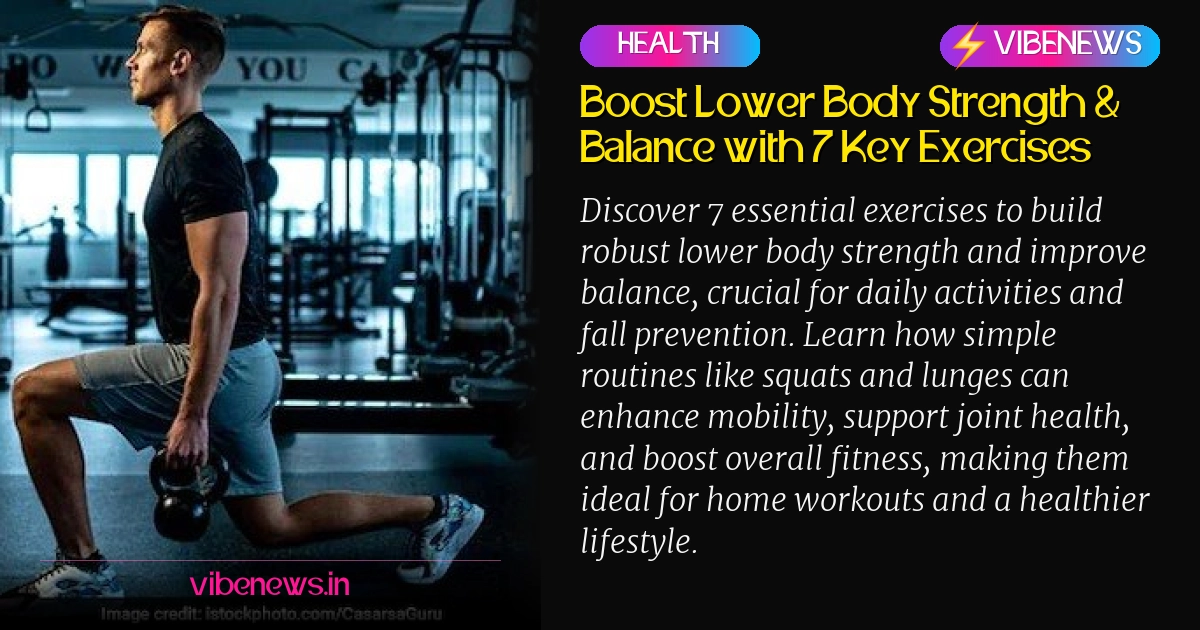
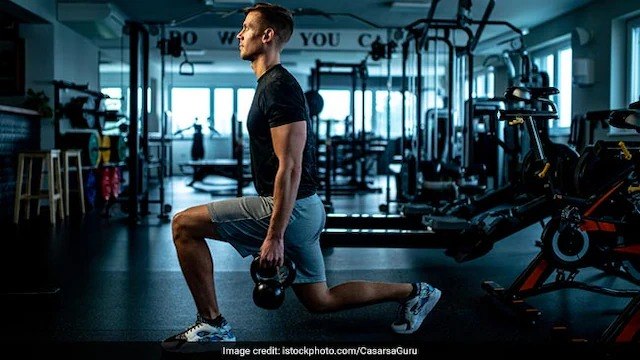
Lunges are excellent for strengthening each leg independently, which is crucial for improving balance, coordination, and muscle stability. They target the quadriceps, hamstrings, glutes, and calves.
Begin by standing tall, then take a significant step forward with one leg. Lower your body until both knees form approximately 90-degree angles, ensuring your front knee is over your ankle. Push through the front heel to return to the starting position, then switch legs. Perform 10 to 12 repetitions on each leg, using a wall or chair for support if needed.
3. Glute Bridges: Strengthening Posterior Chain
Glute bridges are highly effective for strengthening the glutes, hamstrings, and lower back. This exercise is particularly beneficial for individuals who spend long hours sitting, as prolonged inactivity can weaken the gluteal muscles.
Lie on your back with your knees bent and feet flat on the floor, hip-width apart. Press through your heels and lift your hips off the floor until your body forms a straight line from your shoulders to your knees. Squeeze your glutes at the peak of the movement, hold briefly, and then slowly lower back down. Repeat for 12 to 15 repetitions.
4. Step-ups: Mimicking Everyday Movement
Step-ups closely mimic everyday movements like climbing stairs, making them excellent for improving strength, balance, and coordination. They primarily target the quadriceps, glutes, hamstrings, and calves.
Stand in front of a sturdy bench, step, or platform. Step onto it with one foot, pressing through your heel to lift your body, and bring the other foot up before stepping back down. Alternate the leading leg with each repetition. Perform 10 to 12 repetitions per leg.
5. Romanian Deadlifts (RDLs): Building Hamstring and Glute Power
Romanian deadlifts are superb for strengthening the hamstrings, glutes, and lower back, while also improving hip mobility. This exercise is key for developing the powerful muscles along the back of the body.
Stand with your feet hip-width apart, holding dumbbells or a barbell. Keep a slight bend in your knees and hinge at your hips, lowering the weights close to your legs while keeping your back straight. Stop when you feel a stretch in your hamstrings, then return to standing by squeezing your glutes. Start with light weights and focus on form.
6. Calf Raises: Essential for Ankle Stability and Propulsion
Strong calf muscles are vital for walking, running, jumping, and maintaining overall balance. Calf raises are a simple yet highly effective exercise to target these muscles.
Stand with your feet hip-width apart, holding onto a chair or wall for support if necessary. Raise your heels off the floor until you are standing on your toes, pause at the top, and slowly lower your heels back down. Aim for two to three sets of 15 to 20 repetitions. As you get stronger, try performing them on one leg or holding light weights.
7. Wall Sits: Building Endurance and Isometric Strength
Wall sits are an excellent isometric exercise that builds endurance and strength in the quadriceps, glutes, and calves without requiring much movement. They are perfect for building sustained muscle tension.
Stand with your back flat against a wall and slowly slide down until your knees are bent at approximately 90 degrees, as if sitting in an invisible chair. Hold this position for 20 to 60 seconds, ensuring your back remains pressed against the wall. Repeat two to four times.
Integrating Lower Body Workouts into Your Routine
Consistency is key when it comes to building and maintaining lower body strength. Aim to incorporate these exercises into your fitness routine two to three times a week, allowing for rest days in between. Listen to your body and gradually increase repetitions, sets, or hold times as your strength improves.
Before starting any new exercise regimen, especially if you have pre-existing health conditions, it is always advisable to consult with a qualified medical professional or a certified fitness trainer. They can provide personalized guidance and ensure the exercises are appropriate for your individual needs and fitness level.
TL;DR
- Seven key exercises like squats and lunges are crucial for building lower body strength and improving balance.
- Strong lower body muscles enhance daily mobility, making tasks like walking and climbing stairs easier.
- These exercises significantly reduce the risk of falls, particularly important for the aging population.
- Routines can be performed at home with minimal equipment, offering accessibility for busy individuals.
- Specific exercises target major muscle groups including quadriceps, hamstrings, glutes, and calves.
- Consistency in performing these workouts two to three times a week is vital for long-term benefits.