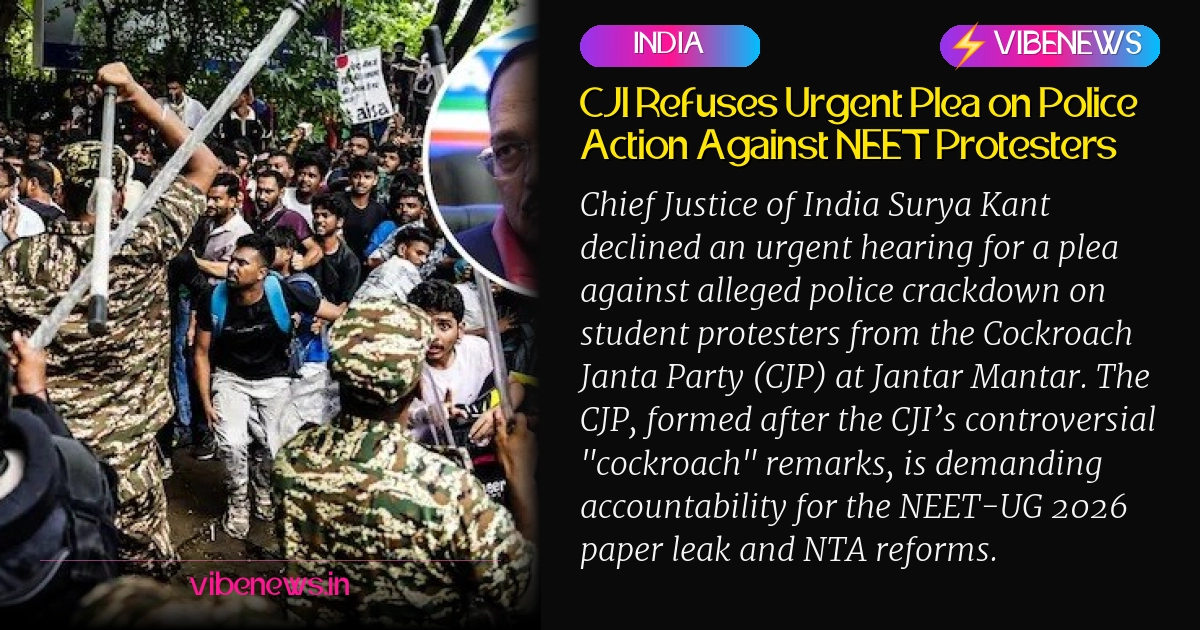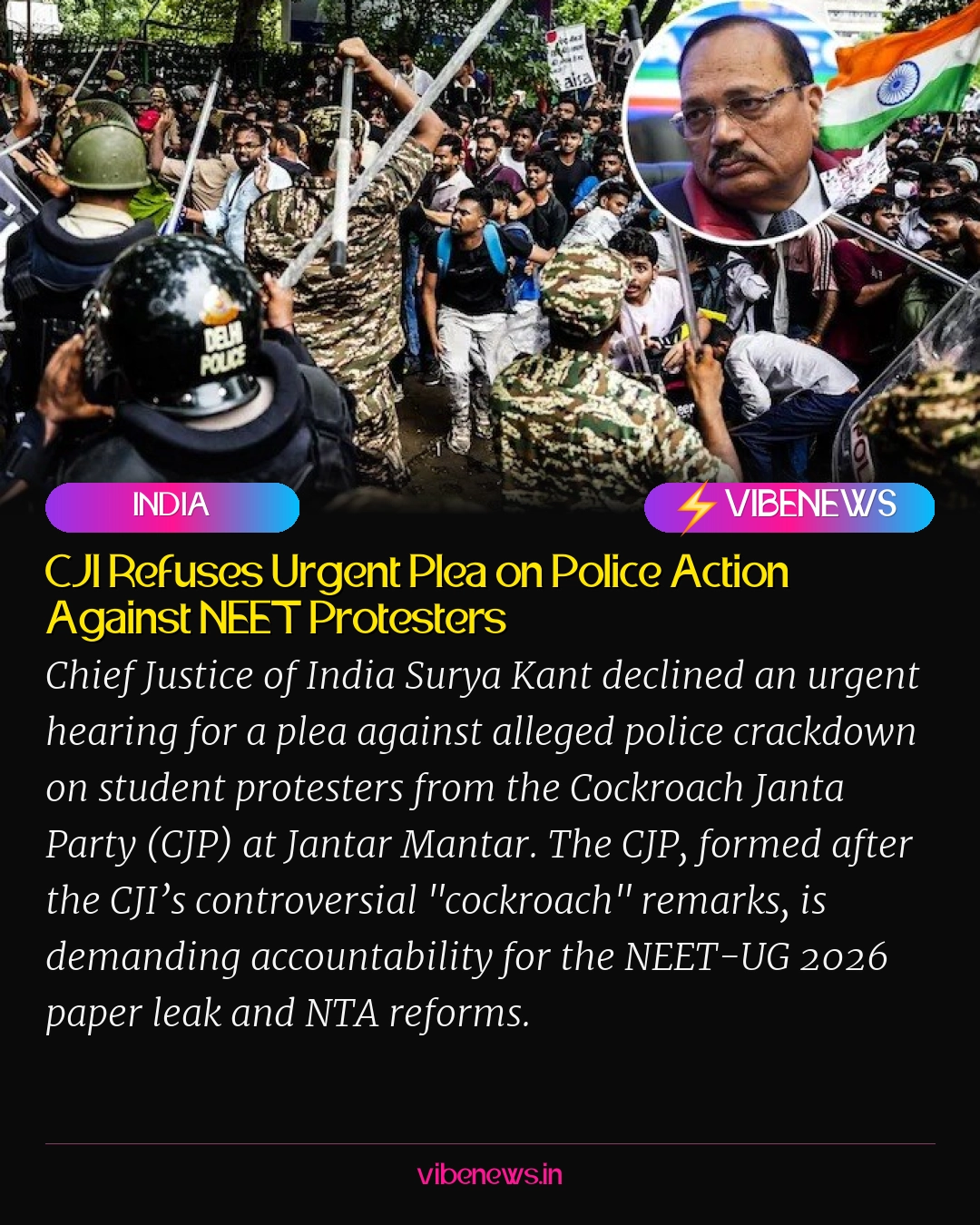
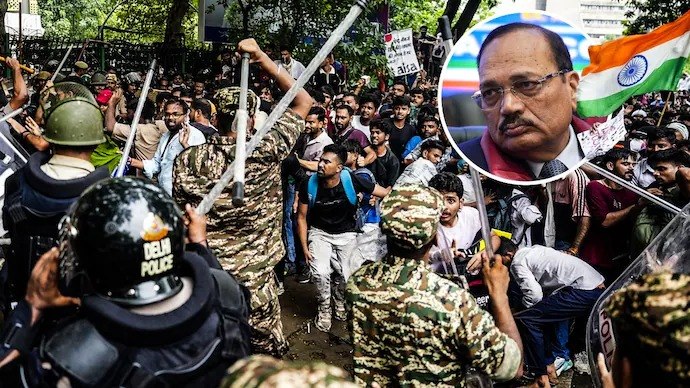
Chief Justice of India (CJI) Surya Kant has refused an urgent hearing for a plea seeking Supreme Court intervention against alleged police action on student protesters from the Cockroach Janta Party (CJP) at Jantar Mantar, stating he lacked time to review video evidence. This decision comes amidst escalating demands for accountability over the NEET-UG 2026 paper leak and reforms within the National Testing Agency (NTA).
The irony of the situation is stark: the CJP, a satirical platform that evolved into a significant student movement, draws its very name from controversial remarks made by CJI Surya Kant himself earlier this year. His refusal to engage with a plea from a group born out of his own public comments adds a complex layer to the ongoing national debate surrounding student rights and judicial accessibility.
The Genesis of the Cockroach Janta Party (CJP)
The Cockroach Janta Party (CJP) emerged following a significant controversy involving Chief Justice Surya Kant. Earlier this year, the CJI sparked widespread criticism when he referred to unemployed young people turning to journalism and activism as "cockroaches." While he later clarified his remarks were aimed only at those with "fake and bogus degrees," the damage was done.
Within days of the CJI’s statement, the satirical CJP platform was born. It quickly garnered millions of followers on social media, transforming into a formidable movement capable of mobilizing tens of thousands onto the streets. This background is crucial for understanding the current plea, as it directly links the protesters’ identity to the very judicial figure who now declines to hear their grievances.
Escalating Protests Over NEET-UG Paper Leak
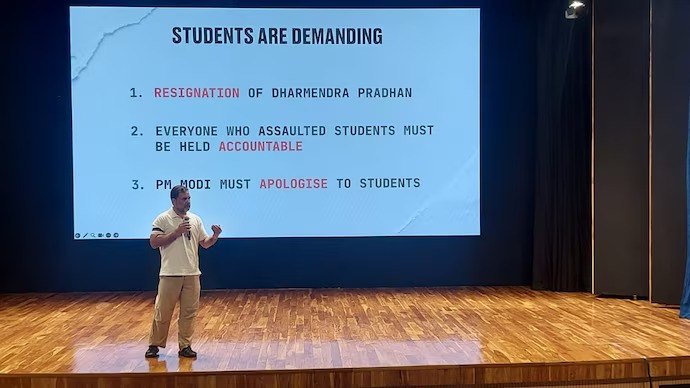
The CJP, along with its supporters and numerous students, has been staging a month-long sit-in at Jantar Mantar, located in the heart of the national capital. Their primary demand is the resignation of Union Education Minister Dharmendra Pradhan, holding him accountable for the alleged NEET-UG 2026 paper leak and broader systemic issues within the National Testing Agency (NTA).
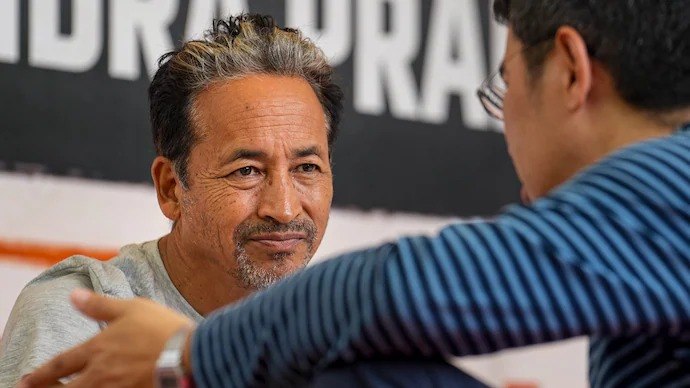
The protests gained further momentum when activist and educationist Sonam Wangchuk joined the movement on June 28, commencing an indefinite hunger strike in solidarity with the students’ demands. The presence of a prominent figure like Wangchuk amplified the call for examination reforms and greater transparency.
Allegations of Police Crackdown and Brutality
The student movement has been marred by allegations of police brutality. On June 18, Sonam Wangchuk was reportedly forcibly removed from the protest site by police and taken to Safdarjung government hospital. Eyewitnesses and protesters claim that those who attempted to intervene were subjected to physical force, including being slapped and pushed off the stage.
The CJP had organized a ‘Chalo Sansad’ march on July 20, urging a large turnout to march towards Parliament. This march reportedly saw tens of thousands of participants confront police action, leading to further allegations of excessive force and mass detentions. These incidents form the core of the plea that sought the Supreme Court’s urgent intervention.
Judicial Response and Public Interest
The plea, mentioned before the Chief Justice-led bench on Wednesday, urged the Supreme Court to take up the matter suo motu, meaning on its own accord. The counsel argued that the students were protesting issues of significant public importance, including the integrity of the NEET-UG examination and the need for NTA reforms.
However, CJI Surya Kant firmly declined to entertain the plea, stating, "We are not interested in videos; we don’t have time to watch." He further advised the lawyer, "Don’t waste our time, and don’t waste your time." When the lawyer reiterated claims of "police brutality" supported by videos, the CJI’s response remained resolute: "We don’t have time. We don’t want to watch videos."
This stance from the highest court follows a similar refusal by the Delhi High Court on Tuesday, which also declined to urgently hear a plea over the police action, observing, "Don’t drag the Court into this." The consistent refusal by both courts to intervene urgently raises questions about judicial oversight in matters of public protest and alleged state overreach.
Implications for Student Activism and Judicial Accessibility
The Supreme Court’s decision to not urgently hear the plea has significant implications for student activism and the perception of judicial accessibility in India. For a movement born out of a direct response to a judicial figure’s remarks, the subsequent refusal to engage with their grievances, especially concerning alleged police action, could be seen as a setback for democratic dissent.
The ongoing NEET-UG paper leak scandal has deeply affected the aspirations of millions of students across the country. The demand for accountability and systemic reforms within the NTA remains a critical issue, highlighting the broader challenges faced by India’s education system. The judiciary’s role in addressing such public interest matters is often seen as a cornerstone of democratic governance.
TL;DR
- Chief Justice of India (CJI) Surya Kant refused an urgent Supreme Court hearing on alleged police action against <strong>Cockroach Janta Party (CJP)</strong> student protesters at Jantar Mantar.
- The CJP, a prominent student movement, originated from CJI Surya Kant’s controversial "cockroach" remarks about unemployed youth.
- Protesters are demanding the resignation of Union Education Minister <strong>Dharmendra Pradhan</strong> over the <strong>NEET-UG 2026 paper leak</strong> and reforms in the <strong>National Testing Agency (NTA)</strong>.
- Activist <strong>Sonam Wangchuk</strong> joined the month-long Jantar Mantar sit-in, commencing an indefinite hunger strike in support of the students.
- Allegations of police brutality and mass detentions surfaced during the ‘Chalo Sansad’ march on July 20 and the forcible removal of Sonam Wangchuk on June 18.
- The Delhi High Court also previously declined to urgently hear a similar plea, advising against "dragging the Court into this."