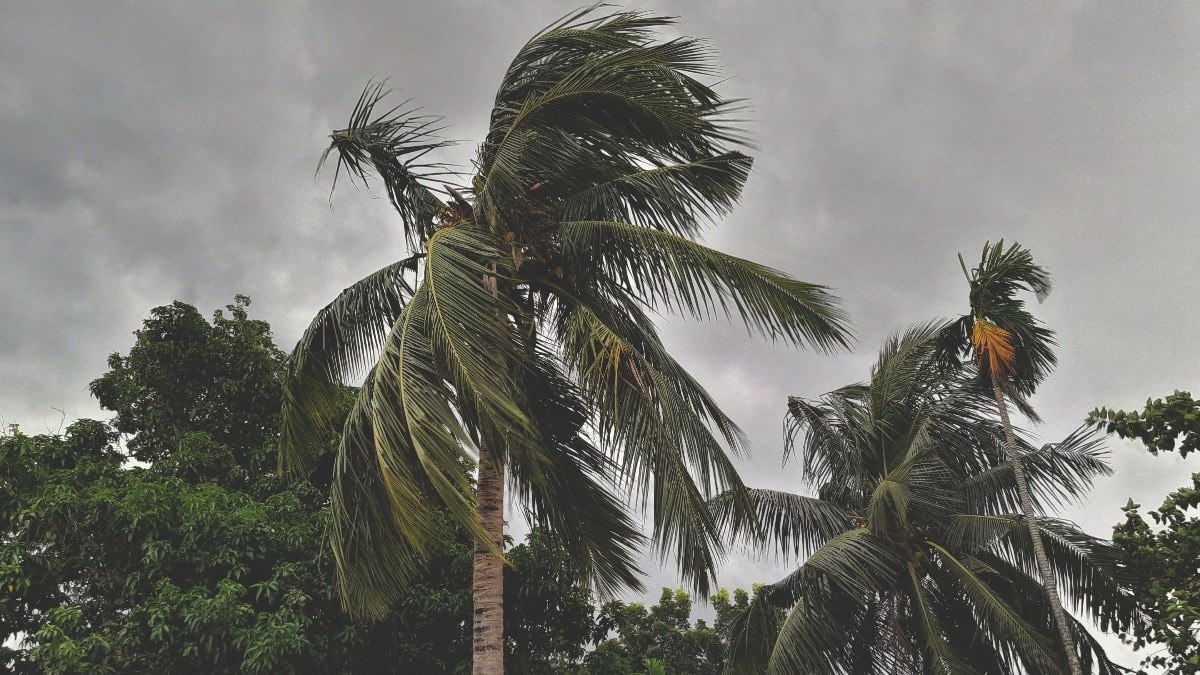

Heavy rain from cyclonic storm Murasu is forecast across several Telangana districts from Monday to Wednesday, November 2 to 4, and paddy and cotton farmers are scared. The storm is arriving just as their crops are ready to be sold at the highest prices they have seen for this harvest, and that is what makes the threat so painful.
Six districts are under the heaviest warnings for Monday. Khammam is one of them. The other five are Mahabubnagar, Nalgonda, Suryapet, Nagarkurnool and Wanaparthy. Forecasts call for heavy to very heavy rainfall in all six, and the rain is landing on fields where crops are at very different stages.
The price trap
Right now, paddy is selling for between ₹3,500 and ₹4,500 per quintal of fresh produce. Before this, dried crop was fetching around ₹2,900, which is the minimum support price plus a ₹500 bonus for fine rice. Farmers who held on to their crop until the market turned are now being told that the rain could cost them that premium.
Cotton is in a similar position. Those fields are close to harvest, and farmers warn they could suffer comparable damage if the storm hits them at the wrong moment.
Where the crop stands
Paddy fields are not all at the same point. Some are being harvested now, some are close to harvest, and others are in the pre-flowering stage. Sowing dates explain the difference. Farmers say the pre-flowering crop is the most exposed, and that is where the losses could be worst.
Khammam farmer Sankranthi Narasiah, from Lalapuram village in Konijerla mandal, described fields that range from pre-flowering to panicle formation. Mahabubnagar’s Muralidhar Reddy, from Balanagar, said that rain on standing crops is bad news and will lead to damage.
“Wind and rain in this stage will cause us great loss,” said Mr. Narsaiah.
When wet panicles become a bill
The damage does not stop when the rain does. Soaked paddy panicles droop, and the process of getting them harvested gets more expensive. Donthu Rambabu, joint secretary of the Telangana Rythu Sangham, said hiring a harvesting machine costs between ₹2,500 and ₹3,000 per hour.
The math is brutal. A machine that would harvest an acre in one hour may take two hours on waterlogged fields. That doubles the bill. Grain then has to be dried, and drying costs weight. Labour also has to be hired to channel water away from damaged crops, adding another line to a budget already under strain.
Panicles can also drop into the water that stagnates in fields. Rambabu warned that once that happens, the yield is gone for good.
Quality is the second hit
M Sudhakar Reddy, vice-president of the Sangham, pointed to a problem that may matter as much as the weight loss. Grain that changes colour fetches a lower price. For a farmer who has been waiting for a good market, a discoloured harvest can quietly wipe out the gain.
That risk is why the storm feels so urgent. The high prices that made this season promising are tied to the quality of grain that is now exposed to rain.
Procurement centres are being bypassed
The demand for paddy has pushed up prices, and that demand is also changing how the crop moves. Relatively less produce is reaching paddy procurement centres. Private buyers are picking up grain straight from the farms, which means the usual official channels are carrying less of the load.
Farmers who rely on those centres for drying and storage may find themselves with fewer options if the weather turns.
What officials are doing
Agriculture Department officials have sounded an alert to farmers and told the officials concerned to provide resources such as tarpaulin sheets to protect harvested grain. Mahabubnagar District Marketing Officer G. Balamani said some farmers have already spread their grain on tarpaulin sheets instead of pouring it onto roads to dry.
That shift matters. Drying on roads exposes grain to traffic, dust and sudden showers. Tarpaulins give farmers a way to keep harvested crop covered and off the ground, but only if they can get the sheets in time and the rain holds off long enough for them to be used.
The clock is running
The storm window is short but tight. Monday carries the heaviest forecast, and rain is expected to continue through Wednesday. Farmers do not have the luxury of waiting for the weather to clear before they decide what to harvest, what to cover and what to hire.
For a state where paddy and cotton carry households through the season, the question is simple. Can farmers protect a crop that is finally worth something before the cyclone takes it?
TL;DR
- Cyclone Murasu rain is forecast across Telangana from November 2 to 4, threatening paddy and cotton fields.
- Six districts, including Khammam and Mahabubnagar, face heavy to very heavy rainfall on Monday, November 2.
- Fresh paddy is selling for ₹3,500 to ₹4,500 per quintal, up from around ₹2,900 for dried crop earlier.
- Hiring a harvesting machine costs ₹2,500 to ₹3,000 per hour, and waterlogged fields can double the time needed.
- Soaked grain must be dried, and drying reduces weight, while discoloured grain fetches lower prices.
- Agriculture officials have issued an alert and are distributing tarpaulin sheets to protect harvested grain.