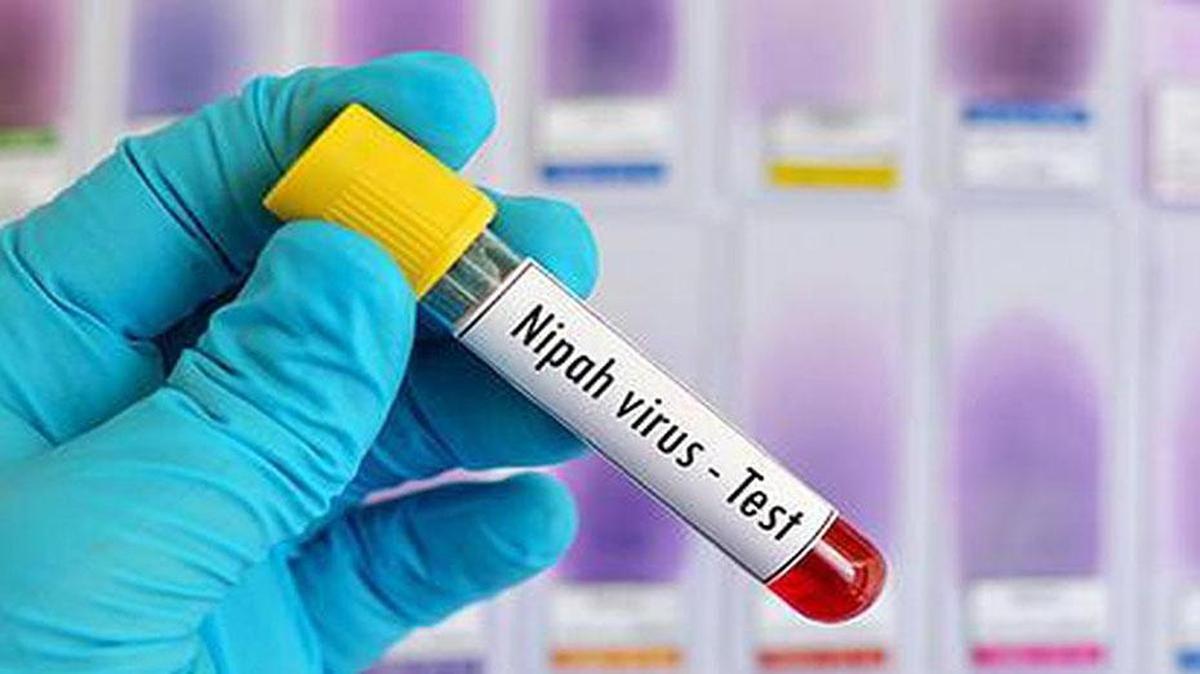
Emerging infectious diseases like Nipah resurfacing always set off alarm bells for me—the speed and coordination of response determine if it stays contained or spirals into a larger outbreak, and West Bengal's quick actions give genuine hope in this case. The two confirmed infections involve frontline health workers in Malda district who directly cared for the primary patient, underscoring the everyday risks doctors and nurses face while saving lives. Immediate isolation protocols were activated upon detection, with extensive contact tracing launched to identify, test, and monitor everyone potentially exposed—from family members to hospital staff and community contacts.
Nipah virus carries a terrifying 40-75% fatality rate depending on strain and care quality, spreading primarily through fruit bats contaminating food like raw date palm sap, or via close human contact with bodily fluids of infected persons. No approved vaccine exists yet, and treatment remains limited to supportive measures—IV fluids, ventilation, symptom management. Past multiple outbreaks in Kerala were successfully contained through early detection, strict quarantine, public hygiene campaigns, and fruit consumption warnings.
Authorities here have swiftly alerted hospitals statewide, advised symptom vigilance (fever, headache, encephalitis signs), promoted hand washing, and cautioned against raw sap. Community education efforts are ramping up to encourage reporting without stigma. In my view, vigilance combined with transparent communication and community trust is crucial—simple habits like hygiene and avoiding risky foods save countless lives during outbreaks. Deep gratitude to the brave health workers on the frontlines despite personal dangers; hoping the cases remain limited with no community transmission, leading to swift full containment and lessons strengthening preparedness nationwide.
TL;DR
- West Bengal health authorities confirmed two Nipah virus cases in Malda district involving healthcare workers who treated the primary index patient.
- Cases were detected rapidly, allowing immediate isolation measures to be implemented and limit potential further transmission risks effectively.
- Comprehensive contact tracing was launched to identify and monitor all individuals who may have been exposed to the infected persons.
- Nipah virus is known for high fatality rates ranging from 40% to 75% depending on the outbreak strain and available medical care.
- Primary transmission occurs through fruit bats or consumption of food contaminated by bat secretions, particularly raw date palm sap.
- Human-to-human spread happens primarily via close contact with bodily fluids of symptomatic or deceased infected individuals.
- No approved vaccine is currently available, with treatment limited exclusively to supportive medical care and symptom management.
- Past outbreaks in Kerala were successfully contained through early detection, quarantine protocols, and targeted public awareness campaigns.
- Authorities issued statewide alerts to hospitals emphasizing symptom monitoring and infection control precautions for suspected cases.
- Public advised to maintain strict hand hygiene and avoid consumption of raw date palm sap or fruits bitten by bats.