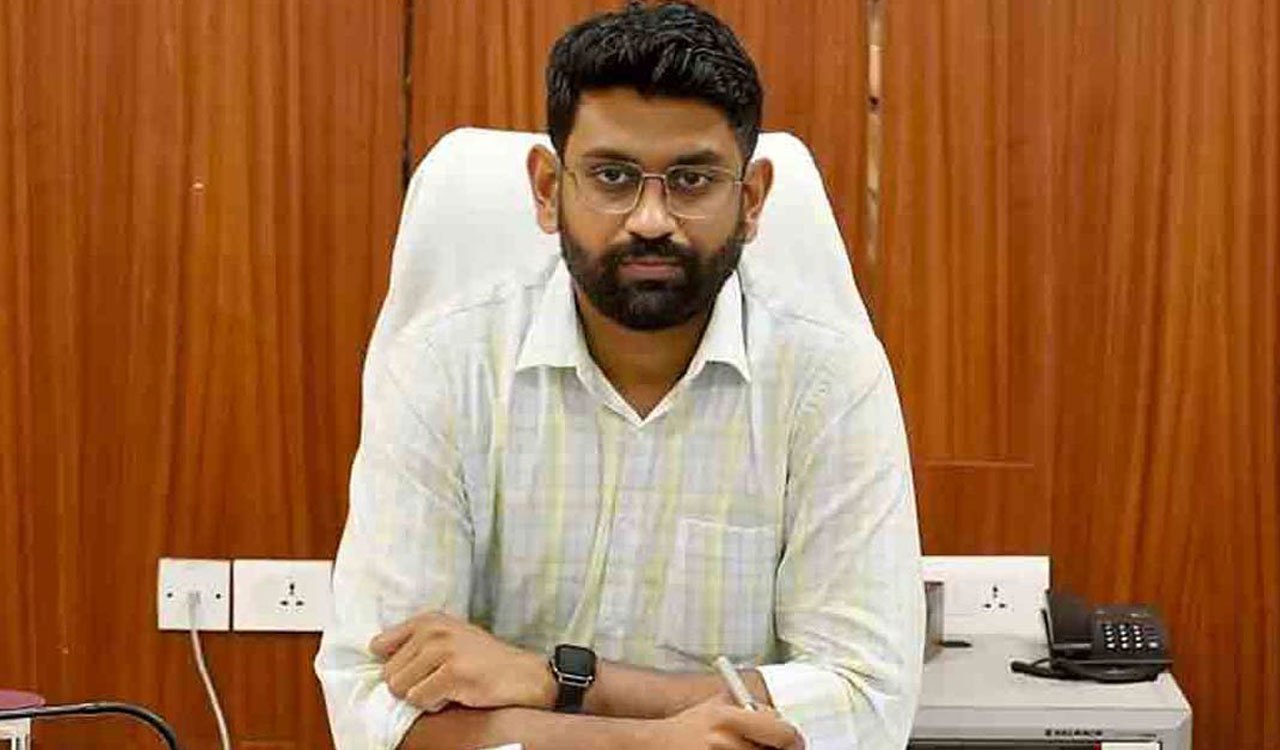
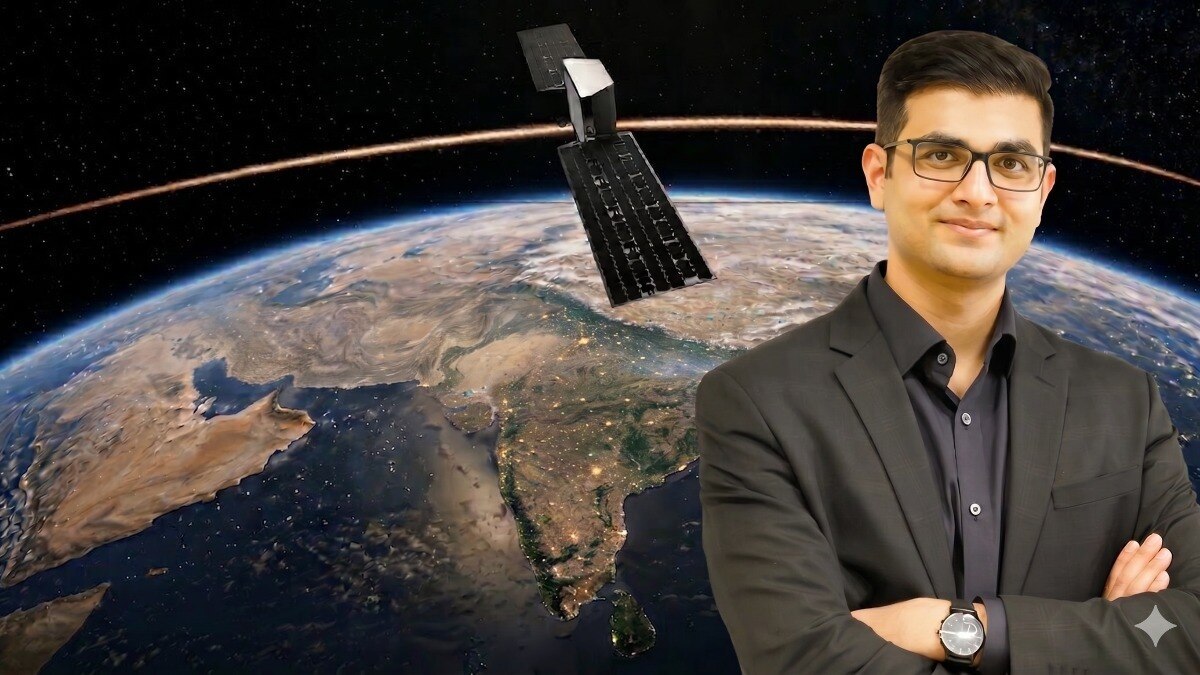
Pixxel founder Awais Ahmed has publicly broken his silence on a sustained online campaign against the Indian space-tech startup, saying he has been called a traitor and accused of "selling our soul" in a statement released in New Delhi on Monday. The attacks followed the announcement of Pixxel Federal, the company’s US government-focused subsidiary.
Ahmed said he had first chosen to ignore the criticism. He changed course after what he described as repeated attempts to question the company’s ownership, technology and credentials. The chief executive and co-founder put the accusations in his own words: "I’ve been called a ‘traitor’, accused of ‘selling our soul’, of being ‘bought by American PE’, and even had people claim that the CIA is running Pixxel."
He said the abuse was not limited to posts and replies. According to Ahmed, the campaign included targeted edits to Wikipedia pages, anonymous emails sent to government customers, and threats directed at his co-founder’s family through direct messages. Those claims are his own; the source material does not include independent confirmation of the edits or emails.
Ahmed framed the fight around the people who build the hardware. He wrote that more than 300 Indians have spent years of their lives building satellites and critical technology for the country, and that they deserve better than to have their work and patriotism questioned through what he called manufactured controversies.
What Pixxel actually does
Pixxel builds and operates a constellation of high-resolution hyperspectral Earth observation satellites. These satellites capture images across hundreds of spectral bands, which lets them detect information that conventional cameras and satellites cannot see.
That technical edge is the reason the company has drawn government interest, and it is also why the ownership questions carry weight. A satellite maker that works with defence and government clients has to be able to answer hard questions about who controls its technology.
The Pixxel Federal announcement and the backlash
The criticism grew after Pixxel announced Pixxel Federal and named Allyson Jenkins as its chief executive officer. Jenkins previously led the company’s US government business. She brings 18 years of experience in national security and geospatial intelligence, including nine years at the National Geospatial-Intelligence Agency.
Critics seized on the US entity and questioned whether an American structure meant Pixxel had been sold or handed over. Ahmed rejected that reading directly. He said Pixxel remains an Indian-headquartered, Indian-owned, Indian-managed and Indian-controlled company.
He pointed to the timeline of the company’s corporate structure. The primary Indian entity was incorporated in 2018, before the US entity was created. He also said the company’s largest shareholders by percentage are Indian investors, including its founders. The Indian entity, he added, continues to execute its Indian government, space and defence programmes.
Who controls what
Ahmed was specific about the limits of the new subsidiary’s authority. He said the leadership and board of Pixxel Federal have authority limited to the US subsidiary and its operations. They have no control over Pixxel’s Indian government programmes or its domestic business.
On intellectual property and national security, he made a narrower claim. All technology and IP developed for Indian government projects, he said, remain under Indian ownership and control, held within Indian entities and governed by Indian laws.
Export controls were the other pressure point. Ahmed said the company complies with applicable export-control requirements. He also argued that having an American entity does not automatically subject Indian-developed satellite technology to US ITAR restrictions. The source material presents that as the company’s position and does not include a regulatory ruling on the point.
A prime minister, a photo frame, and a bigger ambition
Ahmed’s response also drew on his public relationship with the Indian government. In a post dated August 28, he said he had recently met Prime Minister Narendra Modi and presented him with a frame of images captured by Pixxel’s satellites. He wrote that the prime minister was especially pleased by the pictures, which showed the country’s Himalayas, the Ganga and the Sunderbans.
In the same post, Ahmed credited the government with opening the ecosystem to private players and placing trust in Indian entrepreneurs. He said that policy had allowed companies like his to dream at a far bigger scale. He also teased what comes next, describing the next phase as bolder, larger and closer than it once seemed.
"India needs more companies building world-class space technology," he said, adding that criticism should be based on technical merit, execution and delivery rather than speculation about corporate structures.
That line is the crux of his argument. He did not dispute that scrutiny is fair. He argued that the scrutiny is aimed at the wrong thing. Ahmed said international subsidiaries are a standard part of building a global business, and that Indian companies expanding overseas should not be punished for doing what their peers do.
The fight over who gets to build India’s space future
The episode sits at a sharp point in India’s private space race. Startups are trying to win government work, attract global customers and prove they can operate at scale, all while facing a public that is quick to suspect foreign money. Ahmed’s account puts that tension in stark terms: a founder defending his company’s loyalty while also defending the engineers, many of them Indian, who built the satellites.
He was clear that the fight will not change where Pixxel does its work. The founder maintained that Pixxel would continue building satellite technology in India for global markets, despite the online backlash.
What remains unresolved is how much of the harassment can be verified. Ahmed described edits to Wikipedia pages, emails to government customers and threats to a co-founder’s family. Those are serious allegations, and the source material does not include responses from the people or platforms he named. Readers should weigh his statement as the company’s account of events.
For now, the story is less about a single product than about trust. Pixxel’s satellites depend on government confidence, and its founder is making the case that the company is Indian in control, Indian in ownership and Indian in purpose. Whether that argument holds will depend on how the company’s structure and contracts are read by the people who decide who gets to build sensitive space technology.
TL;DR
- Pixxel founder Awais Ahmed says he has been called a traitor and faced threats after the company announced its US subsidiary, Pixxel Federal.
- Ahmed insists Pixxel remains Indian-headquartered, Indian-owned, Indian-managed and Indian-controlled.
- He alleges the campaign included Wikipedia page edits, anonymous emails to government customers and threats against his co-founder’s family.
- Pixxel Federal’s leadership has authority limited to the US subsidiary, the founder said.
- All technology and IP developed for Indian government projects remain under Indian ownership and laws, he added.
- Pixxel will keep building satellite technology in India for global markets, he said.