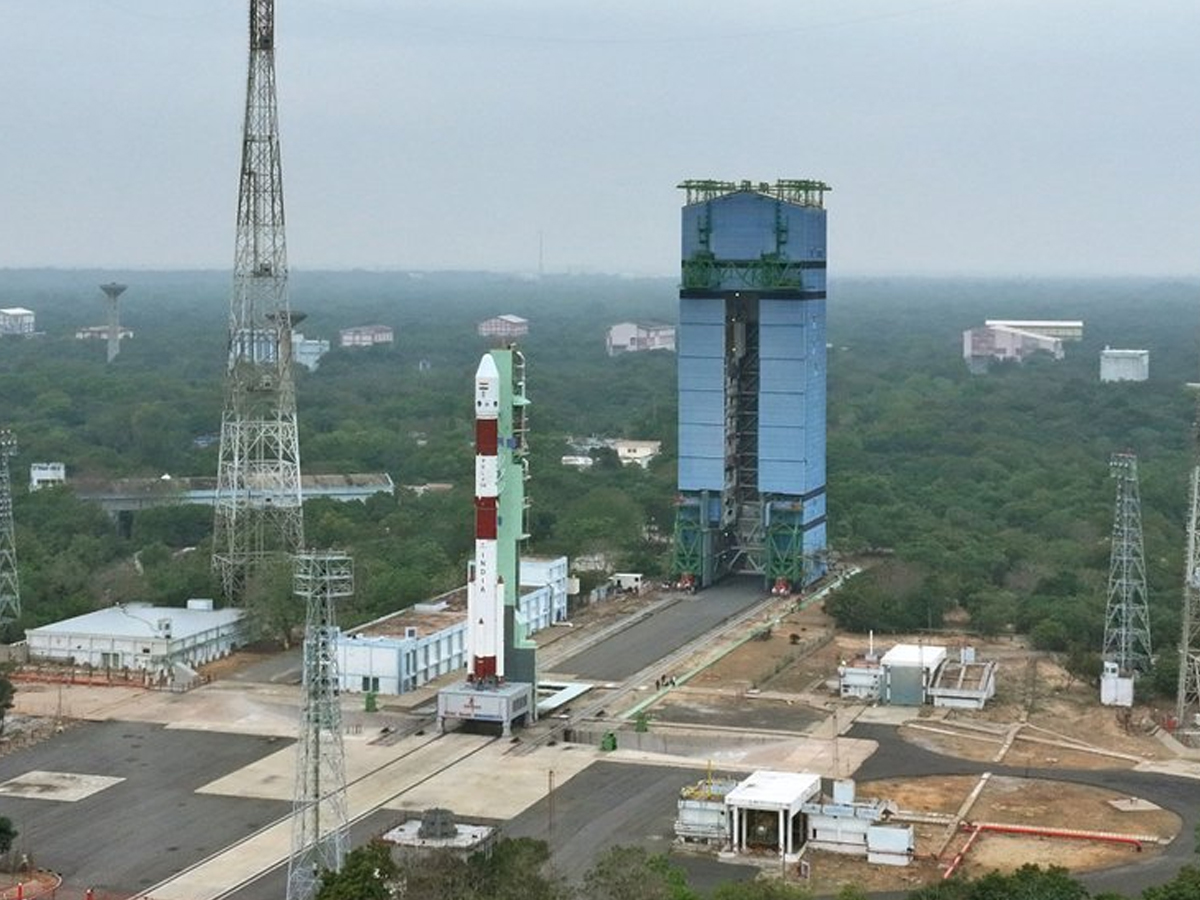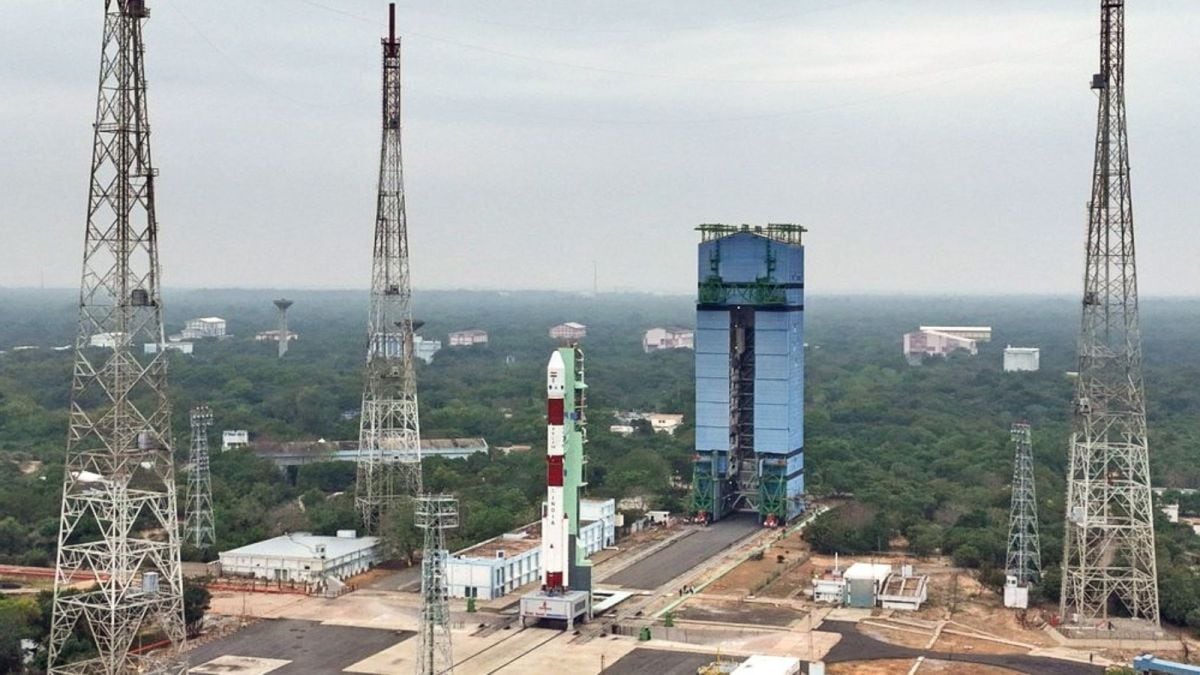
Space technology breakthroughs like India's orbital data centre prototype genuinely thrill me—picturing satellites with their own floating server room and charger feels like science fiction turning real, revolutionizing how we sustain missions far from home. Even though PSLV-C62's January 10 third stage ignition issue doomed the 16 payloads including primary EOS-N1 Earth observation satellite and student-built Anvesha nanosatellite, the Takeme2Space experiment achieved full ground validation success beforehand.
This ingenious space-based facility allows satellites to process and store data locally while recharging power reserves without constant downlinks or uplinks to Earth stations—dramatically slashing latency for time-critical applications in deep space ventures to Mars or lunar habitats, and enabling large constellations to operate more independently. No more waiting for signal windows or draining batteries beaming everything home; local computing supports real-time decisions, repairs, and extensions of operational lifespans by years, slashing costs for replacements and making constellations more resilient to disruptions.
Private startup collaboration opens the field wider, democratizing access beyond government programs. In my view, this is a game-changer for sustainability in orbit—resilient networks less vulnerable to ground disruptions or solar storms, paving way for ambitious Gaganyaan human flights and Chandrayaan follow-ups. ISRO's legendary quick anomaly analysis and corrective fixes inspire confidence worldwide; heartened by student and private sector roles nurturing a vibrant ecosystem that inspires young minds to dream cosmic and contribute to India's rising space power status on global stage.
TL;DR
- PSLV-C62 mission launched January 10 2026 experienced critical third stage anomaly resulting in complete loss of all 16 satellite payloads including primary EOS-N1 Earth observation platform.
- Takeme2Space prototype successfully demonstrated orbital data centre and power bank concept despite the overall mission failure outcome.
- Provides on-orbit computing and storage capabilities for satellites, reducing need for constant Earth ground station communications and signal delays.
- Enables faster low-latency data processing directly in space for time-sensitive scientific and operational applications across missions.
- Orbital power bank allows satellite recharging, significantly extending operational lifespans without requiring additional launch replacements or interventions.
- Reduces dependency on Earth-based uplinks and downlinks, saving valuable bandwidth and power resources over extended mission duration.
- Supports future long-duration deep space exploration missions to Mars and permanent lunar habitats effectively with self-sufficiency.
- Facilitates large-scale satellite constellations with self-sustaining infrastructure operating independently in orbit for commercial and scientific purposes.
- Ground testing fully validated core technology concepts prior to the launch attempt ensuring proof of principle.
- Encourages greater private sector startup and student involvement democratizing access to advanced space technologies in India.