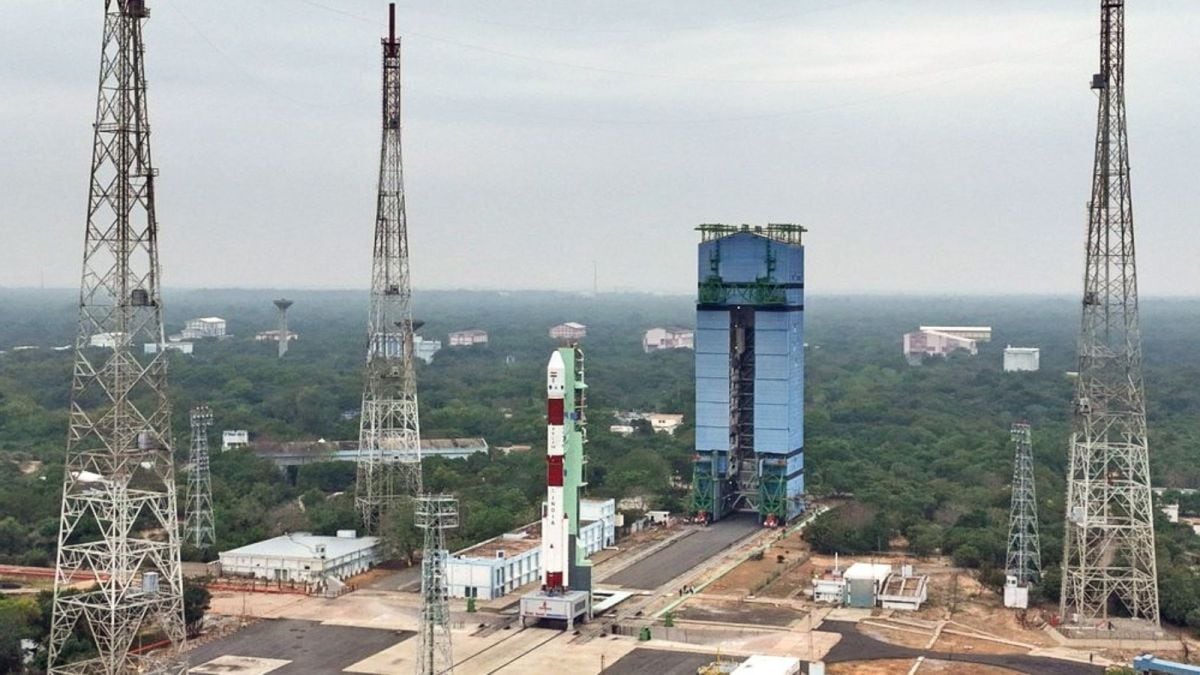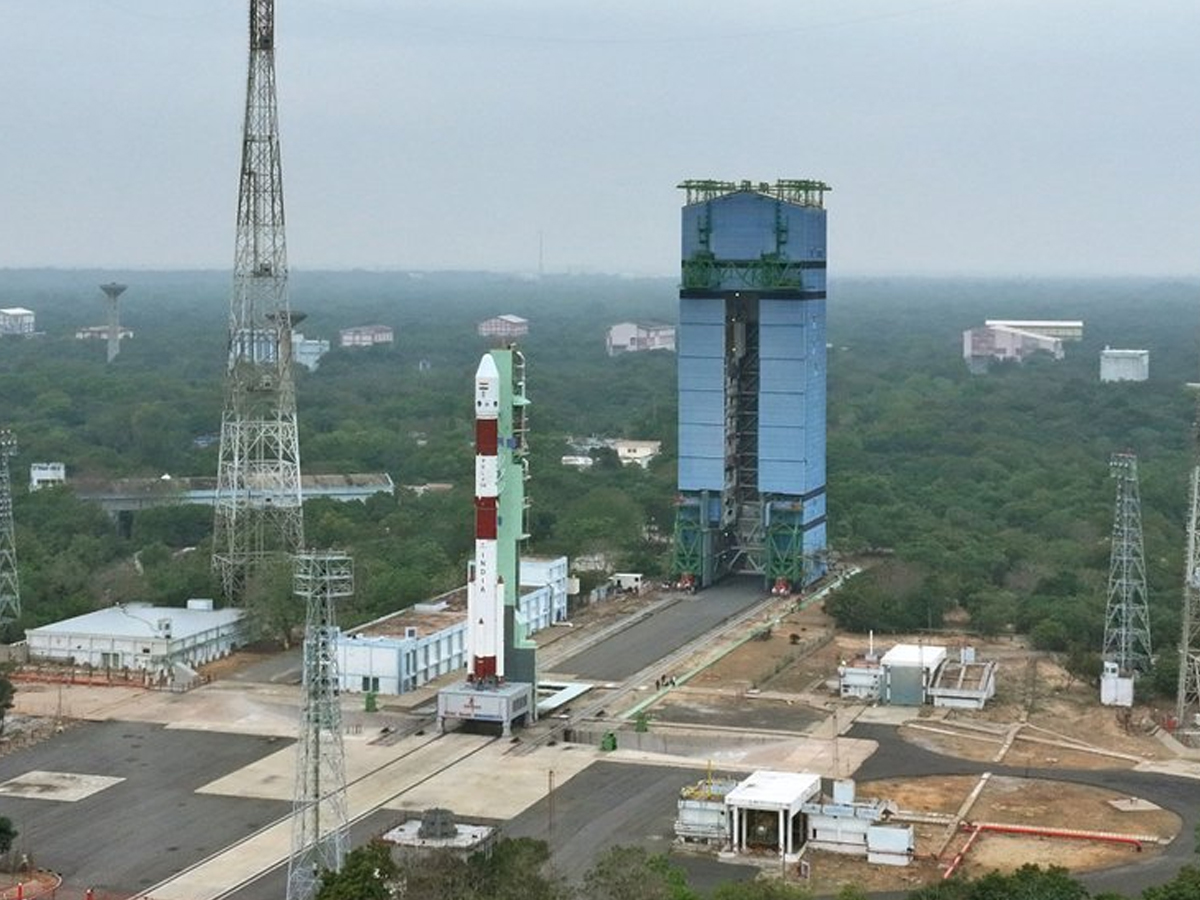
Space exploration setbacks like ISRO's PSLV-C62 failure remind me how even reliable systems face unexpected hurdles—disappointing but part of the journey toward greater achievements. Launched January 10, 2026, the mission saw flawless first and second stage performance, but a third stage ignition anomaly halted orbital insertion, dooming the primary EOS-N1 Earth observation satellite, student-crafted Anvesha, and other payloads totaling 16 satellites with foreign contributions.
PSLV's proven track record over 60 launches makes this rare, but anomalies happen. ISRO teams are poring over telemetry data for root cause analysis, planning fixes to restore confidence. In my view, temporary—ISRO's resilience shines through past recoveries, with Gaganyaan and Chandrayaan missions ahead. Encouraging student involvement in Anvesha despite loss; hands-on learning invaluable for India's space future.
TL;DR
- PSLV-C62 mission launched January 10 2026 experienced critical third stage anomaly leading to complete failure.
- First and second stages performed normally as planned during ascent phase.
- Third stage ignition problem prevented successful orbital insertion of payloads.
- Primary casualty EOS-N1 advanced Earth observation satellite designed for environmental monitoring.
- Student-built Anvesha nanosatellite among lost payloads highlighting educational involvement.
- Mission intended to deploy total 16 satellites including several foreign contributions.
- ISRO teams actively analysing telemetry data to pinpoint exact cause of anomaly.
- Corrective measures planned for upcoming missions to prevent recurrence.
- Setback for India's ambitious space programme relying on reliable PSLV workhorse.
- PSLV boasts strong historical success rate with over 60 launches mostly triumphant.