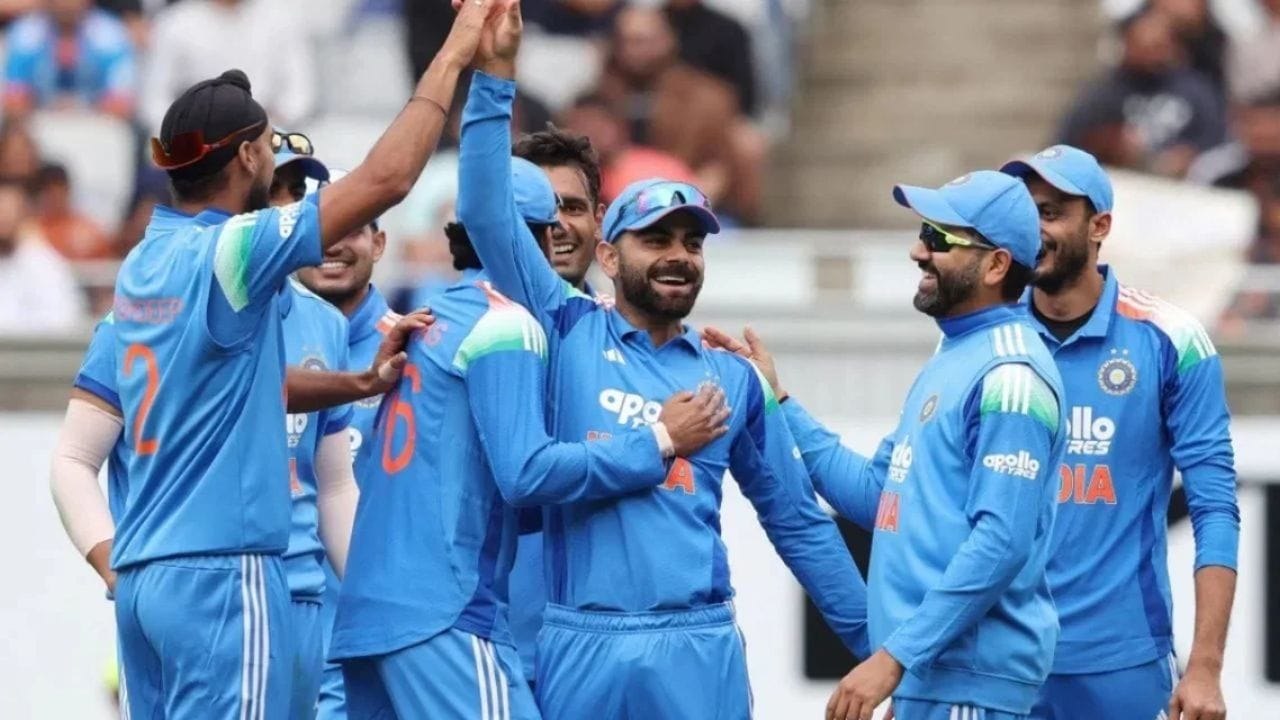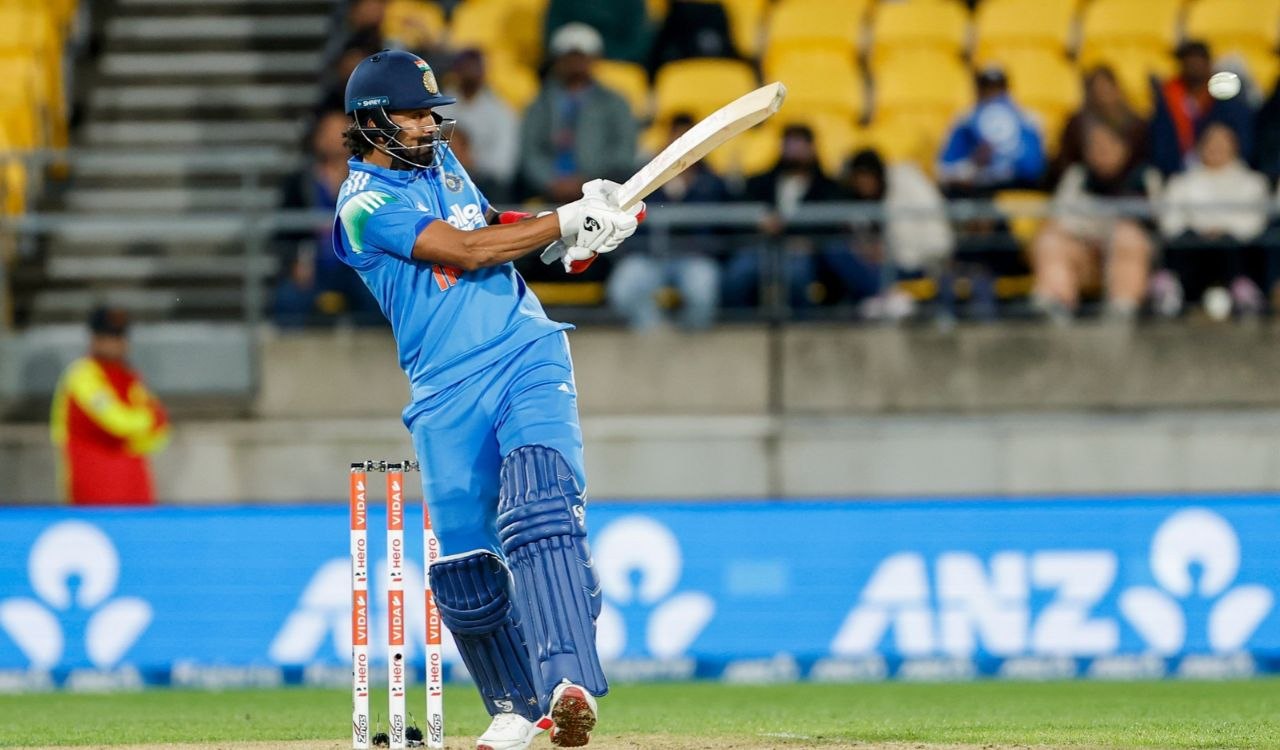
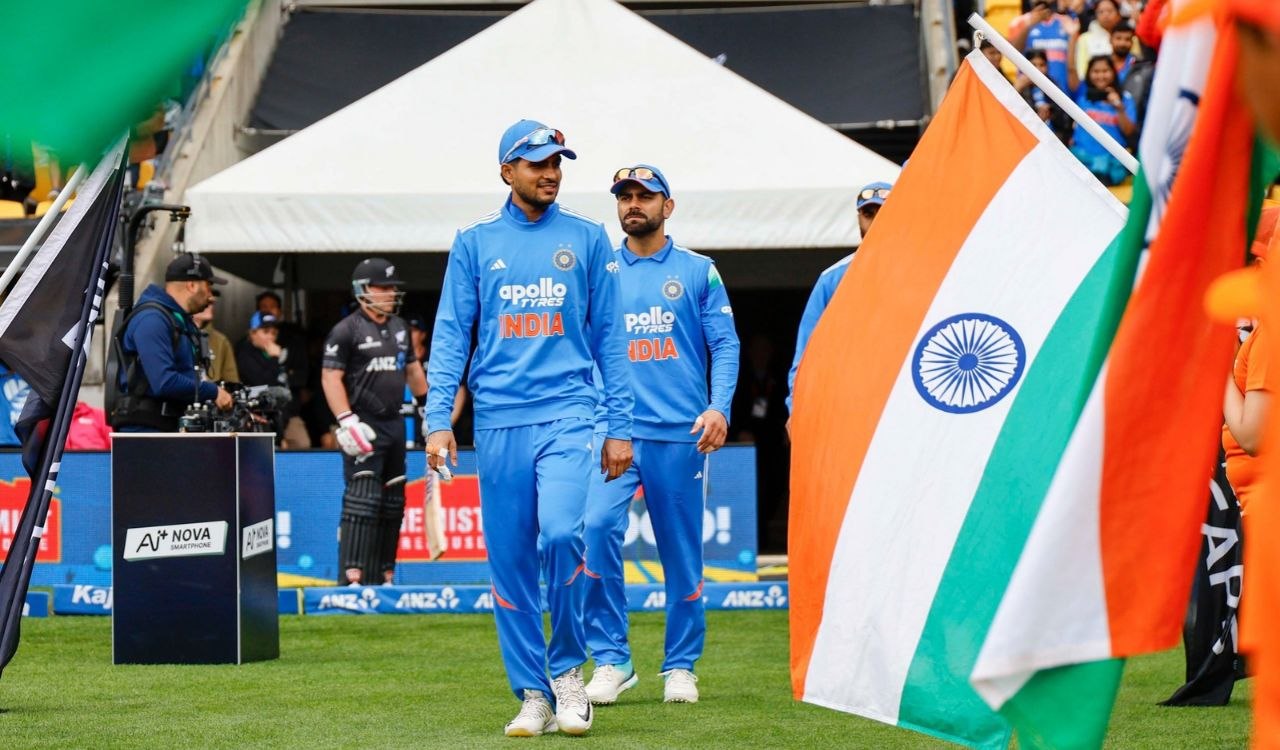
India batting coach Sitanshu Kotak says the challenging conditions in New Zealand’s ODI series are giving the visitors a useful early look at what they will face in the two-Test series, which begins on November 19.
Speaking ahead of the third ODI in Hamilton on Tuesday, Kotak said the pitches in the first two matches offered a clear preview of the movement and bounce Test cricket may bring. The ODI series is a white-ball contest, but the coaching staff have not changed their approach for it.
The movement that caught the coaches’ attention
Kotak described what the team saw in the first two games. There was swing early on. After five or six overs, the swing stopped and seam movement came in. At times, there was also a little awkward bounce.
“In hindsight, it’s a good thing, because we might get the same things in the Test matches, only the ball will be red.”
That line sums up the logic behind the tactic. Nobody is tinkering with plans for the ODIs. But the staff believe the same movement that troubled batters in Hamilton could show up again when the red ball comes out. Kotak was careful to say that New Zealand’s Test pitches are likely to be greener than what the team has seen in the limited-overs games. The grass on these surfaces is thicker, at 12 to 14mm, and the pitches still offer enough help to make batting a challenge.
He also made a point about totals. These conditions, he said, make 140-type scores in a 50-over game a realistic target, rather than the 300-type totals that flat pitches can produce. For a batter, that is useful to know. It forces a player to think about partnerships and risk in a different way, even when the format still rewards aggression.
India A and the parallel red-ball build-up
The white-ball series is only part of the picture. India A is playing three four-day matches in New Zealand, and several of the players in those games are part of the Test setup. Kotak said this gives the squad competitive exposure at the right time.
The arrangement also helps the bowlers. Kotak said the red-ball players in the India A matches will learn where to bowl, which lengths to use, and what help the conditions offer with different kinds of releases. Batters get the same education from the other side of the contest. Each group gathers information that feeds straight into the Test preparations.
Those who are moving from the ODI squad into the Test side have their own plan. They are scheduled to attend a camp at Mount Maunganui from November 11. Kotak said that camp should give the group five or six sessions of work before the series. A preparatory camp in Wellington is also expected from November 11 onwards, according to the report.
“So fingers crossed, we should be ready for the Test series as well,” Kotak said, summing up his view of the preparation so far.
Lessons for the younger batters
The preparation story is not only about pitches and training blocks. Kotak also spoke about how the team’s younger batters handle pressure. India’s lower order collapsed in the second ODI, and rain was threatening to stop play. The collapse gave the staff a practical example of the decisions emerging players have to make.
Kotak singled out Naman. He said the coaching staff do not want to dull the aggressive style that earned Naman his place in the national side. The aim is to help him read match situations without losing the game that got him there.
“The challenge is, without touching their way of playing, without building pressure on them, how can they control their mind, what shot can I play at this time, and what should I not – that is the challenge.”
Kotak was open about how hard that balance is. He said the team had lost five wickets in the second ODI and sensed rain could arrive. Naman was at the crease. Kotak admitted that even he might not have wanted Naman to play a particular shot. But he also said that playing defensively would take away the very quality that made Naman valuable. If he started batting that way, Kotak warned, he would look like many other players in Indian cricket.
Kotak also mentioned Anshul. He said Anshul could easily have played out six balls, and KL Rahul was at the other end, so they did not feel a need to attack. For Kotak, moments like these show how players can change their approach to suit the team’s needs without changing their basic game. He said the younger players have only played a few matches, and they will learn. He also said they are fortunate to be playing in these conditions.
There is a Test angle here too. Stability matters in red-ball cricket, where a batter may have to stay at the crease for long periods. Kotak said recognising when the team needs stability rather than quick runs is a skill that comes with experience.
Where the ODI series stands
India already hold a 2-0 lead in the ODI series. The remaining two matches give the team a chance to fine-tune its combinations before attention moves fully to the Test challenge. India will field a slightly different-looking squad for the fourth and fifth ODIs. The Test players will leave the squad after Tuesday’s game in Hamilton to prepare for the red-ball series.
So the plan is clear. The white-ball matches are being played for results, but they are also serving as a rehearsal for conditions that could return in the Test series. Whether that preparation translates on the red-ball pitches will only become clear once the first Test starts on November 19.
TL;DR
- India batting coach Sitanshu Kotak says the swing and seam movement in New Zealand’s ODIs is a preview of the Test series.
- The first two ODIs produced swing early, then seam movement after five or six overs, plus some awkward bounce.
- India A’s three four-day matches are giving red-ball players competitive exposure ahead of the two-Test series.
- Test-bound players head to a camp at Mount Maunganui from November 11, with a Wellington camp also expected.
- The two-Test series begins November 19, while India already lead the ODI series 2-0.