A Champion’s Vision for Tennis Evolution
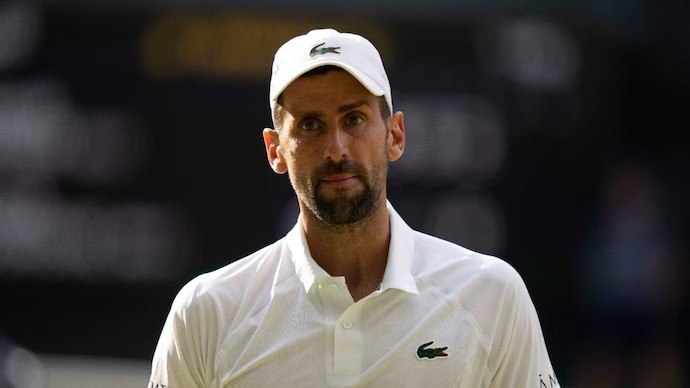
Novak Djokovic, the formidable 24-time Grand Slam champion, has put forth a significant proposal to reshape the landscape of professional tennis. He suggests a move towards four-game sets with no-ad scoring, a format he believes would modernize the sport without diminishing the inherent drama and challenge of Grand Slam competition. This bold vision, articulated on the Nick Knows Ball podcast, aims to make tennis more accessible and engaging for a new generation of fans.
Crucially, Djokovic emphasizes the retention of the best-of-five sets format for Majors. He views this as a cornerstone of Grand Slam tennis, preserving the epic battles, strategic shifts, and physical endurance that have long captivated audiences and defined the sport’s most prestigious events. His suggestion seeks to strike a delicate balance between tradition and innovation, ensuring tennis remains relevant in an evolving entertainment landscape.
The Rationale Behind Shorter Sets
Djokovic’s advocacy for shorter sets stems from a deep-seated belief that tennis must adapt to attract younger demographics. He notes the rapid rise of sports like padel and pickleball, which offer quicker, more dynamic gameplay, posing a challenge to tennis’s traditional, often lengthy, format. The Serbian maestro argues that the current scoring system can appear overly complex and drawn-out to new viewers, potentially hindering the sport’s growth.
By reducing sets to four games and implementing no-ad scoring, Djokovic envisions matches that are more concise and easier to follow. This streamlined approach, he contends, would benefit all stakeholders: players, who might experience less physical strain; broadcasters, who could offer more predictable scheduling; and spectators, who would enjoy a faster-paced, more digestible product. The goal is to maintain the sport’s competitive integrity while enhancing its entertainment value.
Reshaping Grand Slam Dynamics
The proposed changes would fundamentally alter the tactical and psychological dimensions of tennis matches. A four-game set with no-ad scoring would elevate the importance of every single point, making service breaks incredibly decisive. This intensified pressure could lead to more immediate drama and less room for error, potentially creating more unpredictable outcomes.
Such a format might also level the playing field, offering lower-ranked players a greater chance to upset established elites, particularly on faster surfaces where a dominant serve could quickly secure a set. However, Djokovic’s insistence on retaining the best-of-five format for Grand Slams is key. This ensures that while individual sets might be shorter, the overall match still demands the mental fortitude, physical resilience, and tactical adjustments that define a true champion, preserving the unique narrative arc of a Major contest.
Djokovic’s Personal Encounters with Endurance
Djokovic’s suggestions are not merely theoretical; they are informed by his own recent experiences on the court. The physically demanding nature of the Grand Slam season has seen him endure several marathon encounters. A gruelling five-set Wimbledon quarter-final against Felix Auger-Aliassime, followed by a semi-final defeat, highlighted the immense physical toll of extended matches.
Earlier in the year, he navigated a five-set Australian Open semi-final against Jannik Sinner before succumbing to Carlos Alcaraz in the final. At Roland Garros, he famously let a two-set lead slip in a five-set loss to Joao Fonseca. These high-stakes, physically draining contests underscore the very challenges his proposal seeks to mitigate, aiming for a balance where peak performance is rewarded without excessive wear and tear.
The Broader Debate on Tennis Modernization
Djokovic’s proposal arrives amidst an ongoing, broader discussion within the tennis community about how to evolve the sport for contemporary audiences. Alternative competitions, such as the Ultimate Tennis Showdown (UTS), have already experimented with radical formats, featuring timed quarters, simplified scoring, and fewer traditional rules. While Djokovic is not advocating for such a dramatic departure, his ideas reflect a shared recognition that the sport cannot remain static.
Historically, tennis has seen rule adjustments, from the introduction of tie-breaks to changes in serve clock regulations, all aimed at enhancing pace and fairness. Djokovic’s current suggestions represent another significant inflection point in this continuous evolution, seeking to find a sweet spot where the sport’s rich heritage is respected while embracing necessary changes for future appeal.
Editorial Context: The Long-Term Stakes for Tennis
Novak Djokovic’s proposal for shorter sets in Grand Slams is more than just a suggestion from a top player; it represents a critical juncture for the future trajectory of professional tennis. In an increasingly competitive global sports and entertainment market, the ability to capture and retain audience attention, particularly among younger demographics, is paramount. If tennis fails to adapt, it risks losing relevance to faster-paced, more accessible alternatives.
The debate around this proposal will undoubtedly be robust, pitting traditionalists against those advocating for modernization. However, the long-term health of the sport hinges on finding innovative solutions that preserve its unique character while making it more appealing to a broader, global audience. Djokovic, as one of the sport’s most influential figures, has ignited a crucial conversation that could shape how Grand Slams are played and perceived for decades to come, impacting player welfare, broadcast strategies, and the very essence of tennis’s competitive spirit.
TL;DR
- Novak Djokovic proposes a significant format change for Grand Slams: four-game sets with no-ad scoring.
- He advocates for retaining the best-of-five sets format for Majors to preserve their unique challenge and drama.
- The primary goal is to modernize tennis, attract younger audiences, and simplify the scoring system.
- This change would intensify the importance of every point and potentially offer more opportunities for lower-ranked players.
- Djokovic’s own recent experiences with physically demanding marathon matches inform his push for reform.
- The proposal aims to balance tennis’s rich tradition with the need for innovation to ensure its long-term appeal.