Meta CEO Apologizes to India Over CSAM, Content Moderation Failures
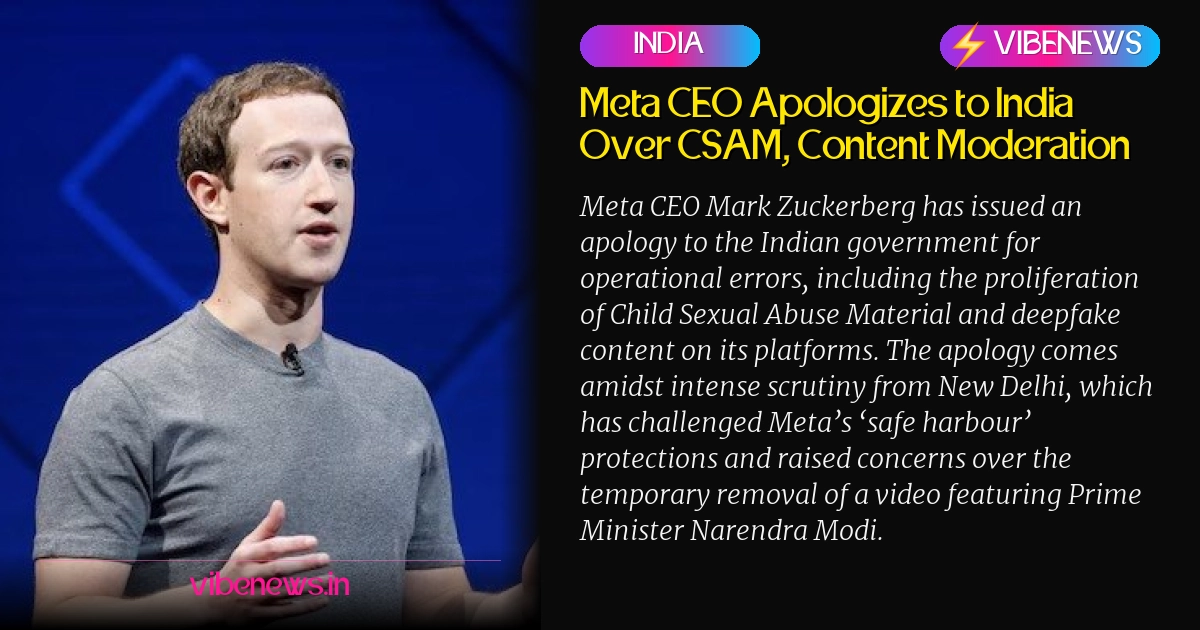
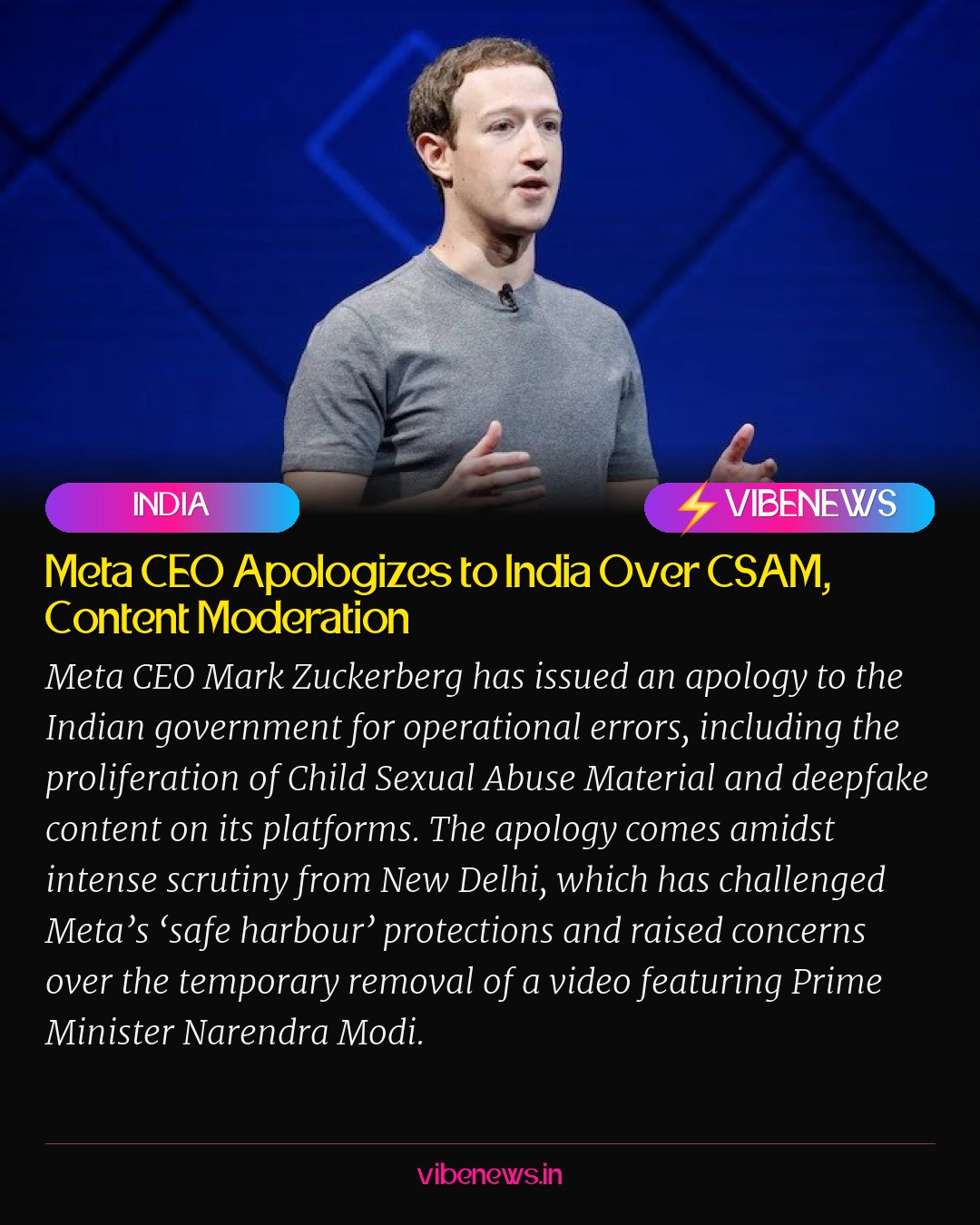
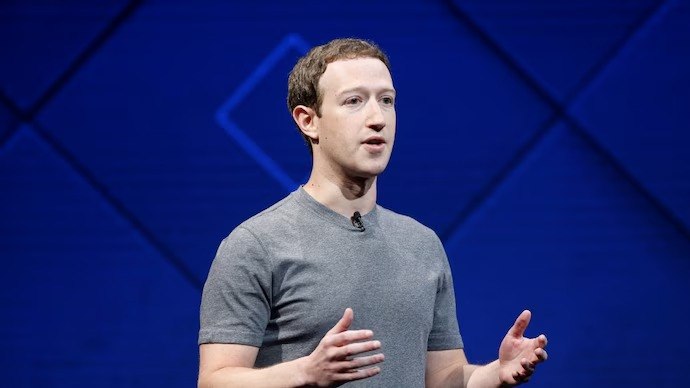
Meta CEO Mark Zuckerberg has conveyed an apology to the Indian government regarding significant operational errors on its platforms. These errors include the widespread presence of Child Sexual Abuse Material (CSAM), the proliferation of deepfake content, and general shortcomings in content moderation practices.
The apology emerged during high-level consultations between officials from India’s Ministry of Electronics and Information Technology (MeitY) and Meta’s global leadership. These meetings focused intensely on platform accountability, content moderation policies, and compliance with Indian legal frameworks.
The Government’s Firm Stance
Government sources indicated that Meta’s representatives faced severe questioning during these discussions. Indian officials unequivocally stressed the platforms’ inherent responsibility to ensure the safety and well-being of children online.
A critical point raised by the government was the unacceptability of platforms simultaneously profiting from advertising alongside child abuse content while attempting to claim legal safe harbour protections. This stance underscores India’s growing assertiveness in regulating global tech giants operating within its borders.
Challenging Safe Harbour Protections
A pivotal aspect of the discussions revolved around the legal concept of ‘safe harbour’ under Section 79 of India’s Information Technology Act. This provision typically shields intermediaries like social media platforms from liability for third-party content uploaded by users, provided they remove unlawful content upon direction from authorities.
However, the Indian government has reportedly challenged Meta’s eligibility for this protection. Officials argued that Meta’s sophisticated algorithms actively select, amplify, and distribute content to specific users, thereby moving the company beyond the traditional definition of a mere intermediary.
By actively determining content visibility, the government suggests Meta acts more like a publisher, which would strip it of safe harbour protections and impose greater liability for the content on its platforms. This interpretation could have profound implications for how social media companies operate in India.
The Prime Minister’s Video Controversy
Adding another layer of complexity to the discussions was the temporary removal of a video featuring Prime Minister Narendra Modi from Facebook. The video, part of the Prime Minister’s outreach to Gen Z, was reportedly unavailable for approximately five hours, from 12:30 AM to 5:00 AM.
Nishikant Dubey, chairman of the Parliamentary Standing Committee on Information Technology, publicly called for a personal apology from Meta CEO Mark Zuckerberg for this incident. This specific controversy highlighted broader concerns about Meta’s content moderation policies and its responsiveness to government directives.
While the apology from Meta’s leadership covered CSAM and operational errors, sources indicated that the specific issue of the Prime Minister’s video removal was a distinct point of contention, underscoring the political sensitivity surrounding content moderation in India.
Meta’s Admissions and Future Commitments
During the meetings, Meta officials reportedly admitted to mistakes in their content moderation processes and expressed regret over the handling of harmful content. The company also acknowledged having spent significant sums on boosting certain categories of content, expressing regret over those decisions.
These admissions signal a recognition by Meta of the serious nature of the issues raised by the Indian government. The ongoing dialogue suggests a commitment from Meta to address these concerns, though the specifics of future compliance and operational changes remain under close observation.
Editorial Context
This development marks a significant moment in the evolving relationship between global technology giants and national governments, particularly in large and rapidly digitizing markets like India. New Delhi’s assertive stance on platform accountability, especially regarding child safety and the redefinition of ‘intermediary’ status, sets a powerful precedent.
The challenge to Meta’s safe harbour protections could fundamentally alter the legal landscape for social media companies in India, potentially forcing them to take more direct responsibility for the content amplified by their algorithms. This move aligns with a broader global trend where governments are pushing for greater regulation of online content and the power of tech platforms.
For Meta, a company facing increasing scrutiny worldwide over content moderation, privacy, and market dominance, India’s firm position adds another layer of pressure. The outcome of these ongoing discussions and Meta’s subsequent actions will likely influence digital governance frameworks not just in India but potentially inspire similar regulatory approaches in other nations grappling with the complexities of the digital age.
TL;DR
- Meta CEO Mark Zuckerberg apologized to the Indian government for operational errors, including the spread of Child Sexual Abuse Material (CSAM) and deepfake content.
- The Indian government challenged Meta’s ‘safe harbour’ protection under the IT Act, arguing its algorithms make it a publisher, not just an intermediary.
- Concerns were raised over the temporary removal of Prime Minister Narendra Modi’s video from Facebook, prompting calls for a personal apology from Zuckerberg.
- Government officials emphasized platforms’ responsibility for child safety and preventing profit from harmful content.
- Meta admitted to content moderation mistakes and expressed regret over boosting certain content categories.