Washington’s Assertions and Tehran’s Rebuttal
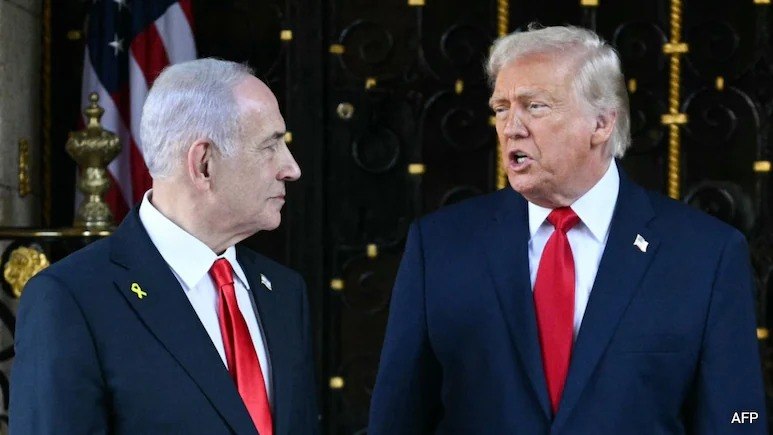
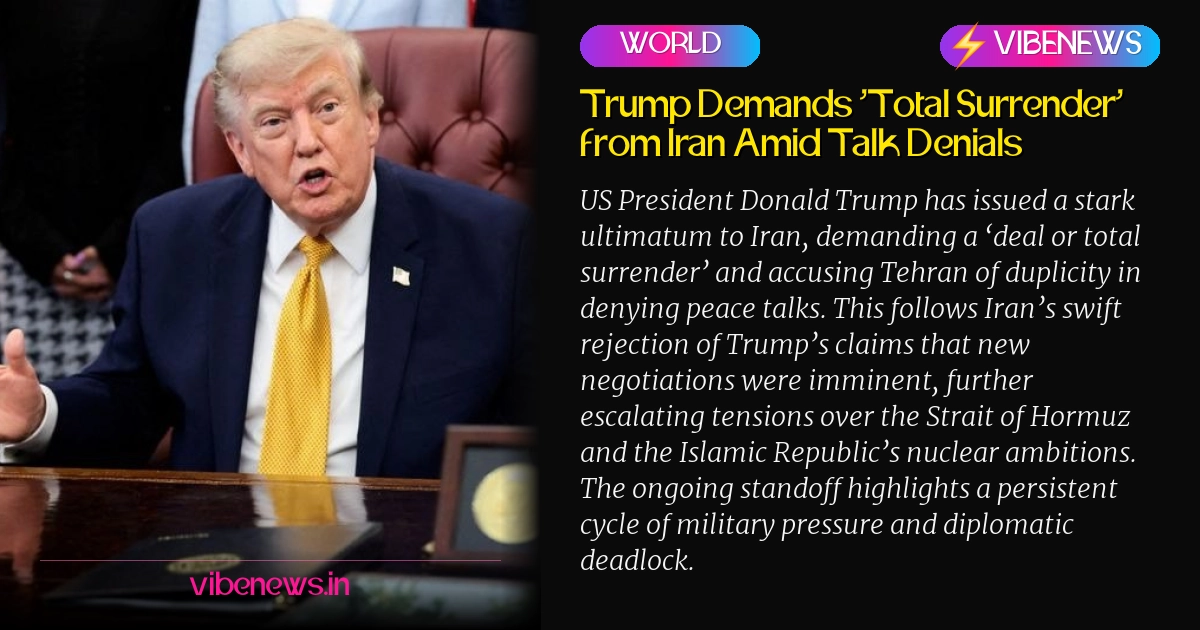
US President Donald Trump has issued a forceful ultimatum to Iran, declaring that nothing would pass through the nation unless it agreed to a comprehensive deal or accepted “total surrender.” This stern warning came after Iran vehemently rejected Trump’s assertion that fresh peace talks with Washington were scheduled to commence.
In a lengthy post on Truth Social, Trump accused Iranian leaders of being “unbelievably duplicitous.” He claimed they had repeatedly sought negotiations in private while publicly denying any discussions were taking place, insisting they were only engaging with Oman.
Trump further dismissed Tehran’s claims of control over the strategically vital Strait of Hormuz. He asserted that the US Navy already maintained a naval blockade, effectively controlling the waterway. The President reiterated his long-standing pledge that Iran would never be permitted to develop a nuclear weapon.
Tehran swiftly dismissed these remarks, with Iranian Foreign Ministry spokesman Esmail Baghaei stating unequivocally that no negotiations with the US were underway or planned. Baghaei clarified that Iran had no intention of hosting foreign delegations or sending negotiators abroad, confirming that the only ongoing discussions involved Oman and pertained solely to the management of the Strait of Hormuz.
A senior Iranian source, speaking to Reuters, corroborated this, adding that Foreign Minister Abbas Araqchi, currently on a religious pilgrimage in Iraq, would remain unavailable for at least the remainder of the week. This firm denial from Iran underscores the deep chasm in communication and trust between the two nations.
The Strait of Hormuz: A Contested Chokepoint
The Strait of Hormuz remains a central flashpoint in the escalating dispute between Washington and Tehran. The US maintains that a memorandum of understanding signed in June required Iran to ensure open passage through the strategically critical waterway, a vital conduit for global oil shipments.
Conversely, Iran asserts that the same agreement preserved its sovereign authority over shipping traffic within the strait. This fundamental disagreement over control and interpretation of international agreements highlights the precarious nature of maritime security in the region and its potential impact on global energy markets.
The strait’s importance cannot be overstated; it is one of the world’s most crucial energy corridors. Iran’s continued leverage over this chokepoint provides it with significant strategic influence, a factor Washington has so far struggled to diminish despite sustained military and economic pressure.
A Cycle of Escalation and Diplomatic Deadlock
Monday’s developments reflect a recurring pattern that has characterized US-Iran relations since Trump initiated “Operation Epic Fury” five months prior. On multiple occasions, the US President has announced plans for significant military strikes against Iran, only to later claim that diplomatic contacts prompted him to hold back.
Iran, however, has consistently rejected direct negotiations with Washington since a June memorandum of understanding, intended to de-escalate the conflict, collapsed in early July. This cycle of threats, denials, and unfulfilled diplomatic overtures has created an environment of persistent uncertainty and heightened regional tensions.
Despite months of intense military pressure and repeated warnings, Trump has yet to achieve the key objectives he outlined at the conflict’s outset. These goals included dismantling Iran’s nuclear program, curbing Tehran’s ability to threaten regional rivals, and fostering conditions for political change within the Islamic Republic.
Each new US escalation has been met with a corresponding Iranian retaliation, often targeting American forces, Gulf allies, or commercial shipping. These tit-for-tat actions have prevented any sustained period of calm, ensuring that tensions remain perpetually high in the volatile Middle East.
Editorial Context: The Long-Term Stakes
The ongoing standoff between the United States and Iran represents more than just a diplomatic spat; it is a critical test of international resolve and regional stability. The persistent cycle of accusations, denials, and military posturing risks a miscalculation that could have catastrophic global consequences, particularly given the strategic importance of the Strait of Hormuz to global energy supplies.
The failure to achieve a stable diplomatic resolution also underscores the challenges of dealing with complex geopolitical adversaries through a strategy of maximum pressure. While the US aims to curtail Iran’s nuclear ambitions and regional influence, Tehran’s resilience and strategic positioning continue to complicate these efforts, leading to a prolonged stalemate.
Looking ahead, the long-term implications include sustained volatility in global oil markets, increased militarization of the Persian Gulf, and a potential re-alignment of regional alliances. The international community watches closely, as the outcome of this protracted confrontation will undoubtedly shape the future of Middle Eastern security and global energy dynamics for years to come.
TL;DR
- US President Donald Trump issued an ultimatum to Iran: accept a deal or face ‘total surrender,’ accusing Tehran of duplicity in denying peace talks.
- Iran’s Foreign Ministry spokesman, Esmail Baghaei, firmly denied any scheduled negotiations with the US, stating discussions were only with Oman regarding the Strait of Hormuz.
- Trump claimed the US Navy maintains a ‘naval blockade’ over the Strait of Hormuz, asserting control over the vital waterway, a claim Iran disputes.
- The current situation reflects a pattern of US military threats followed by claims of diplomatic openings, consistently rejected by Iran since a June MoU collapsed.
- Despite months of pressure, Trump has not achieved his stated goals of dismantling Iran’s nuclear program, curbing regional threats, or fostering political change.
- The Strait of Hormuz remains a central point of contention, with both nations holding differing interpretations of control and passage rights.