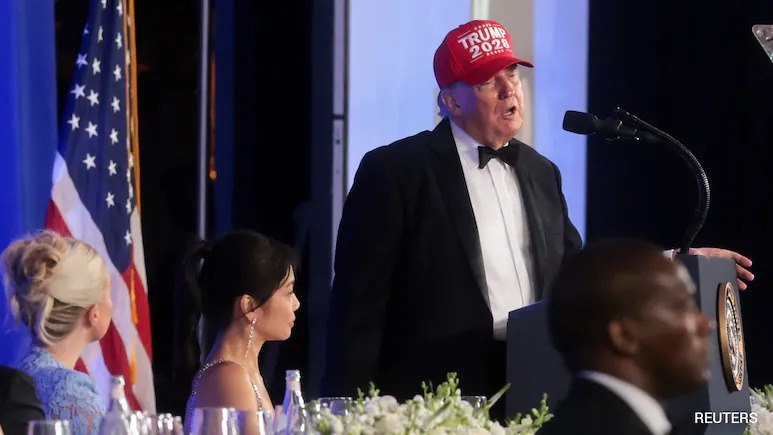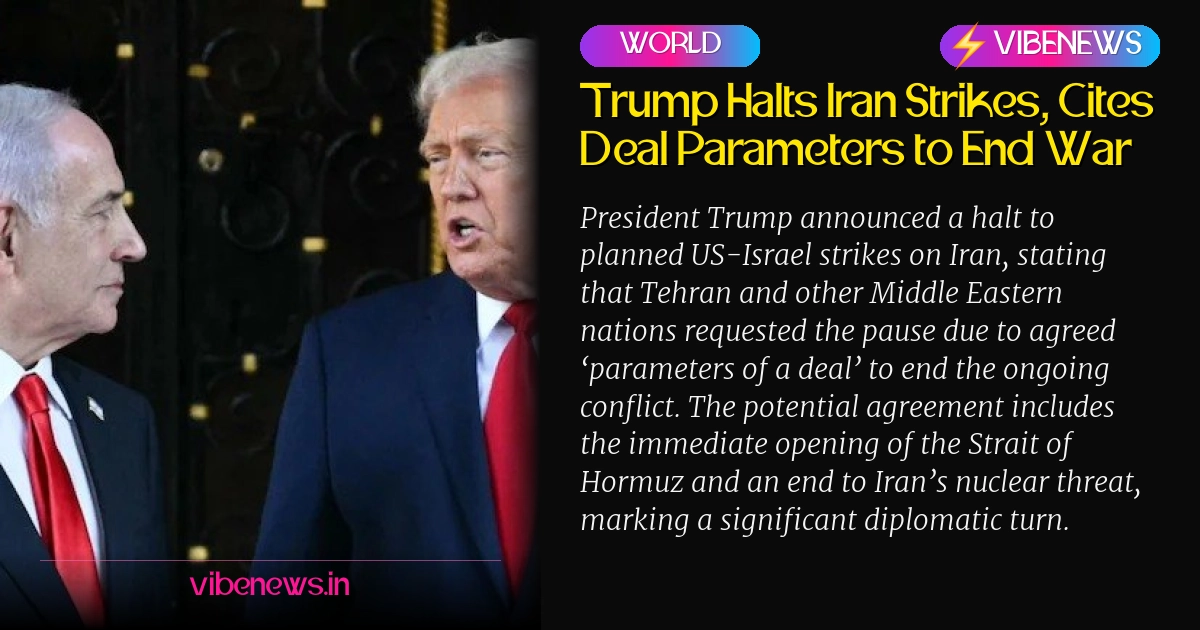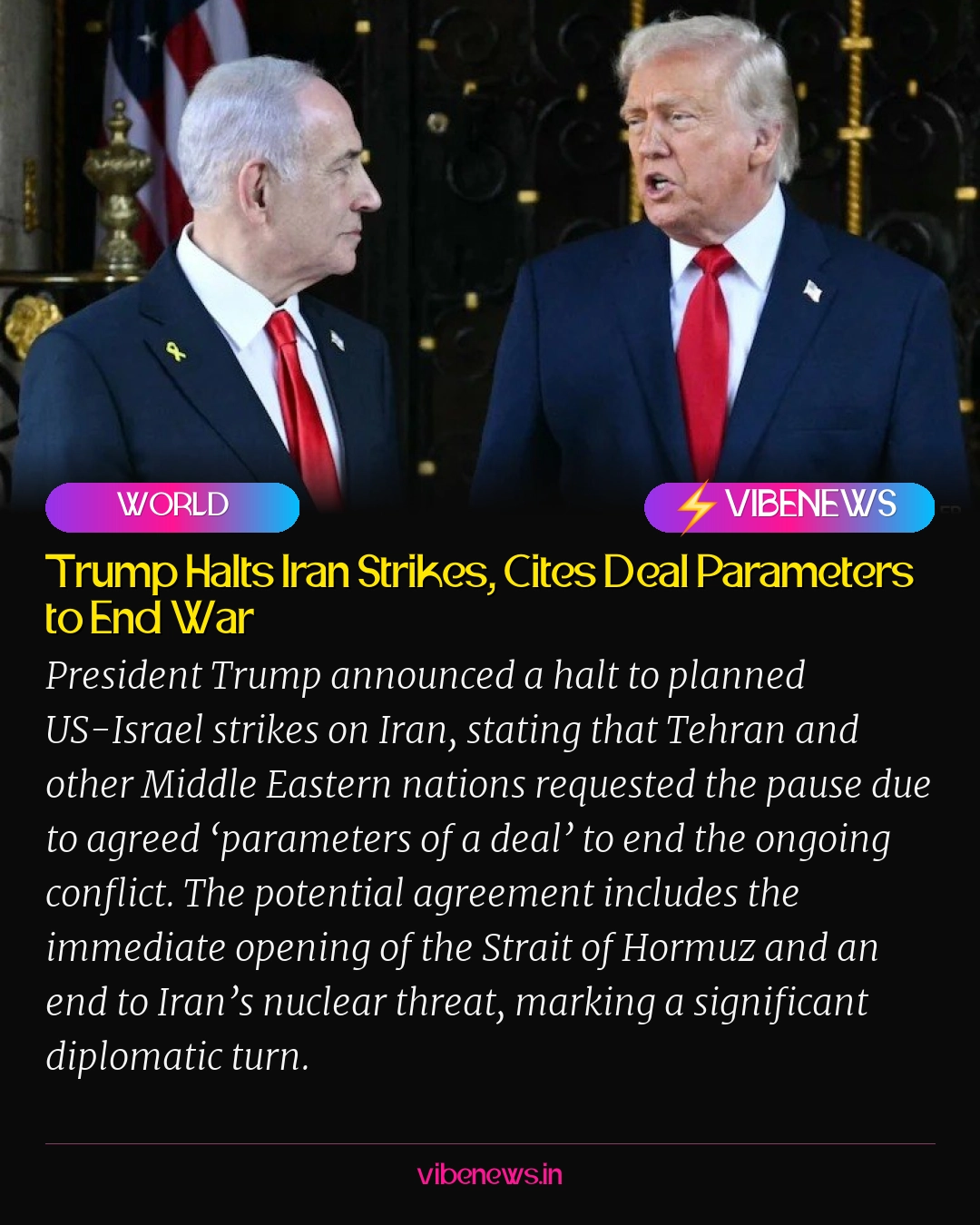
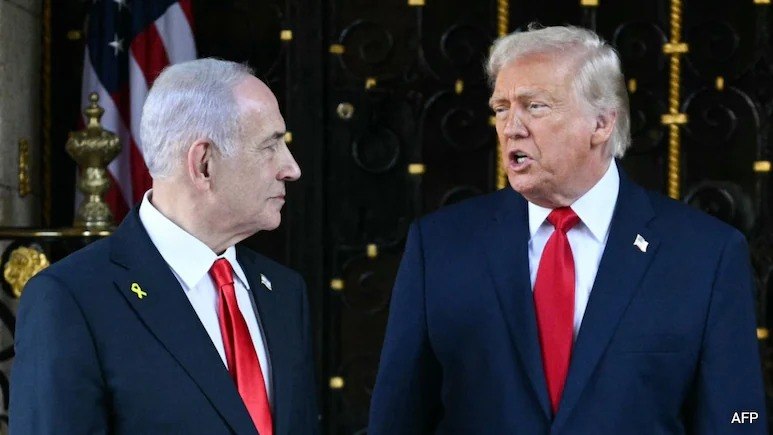
President Donald Trump declared a temporary halt to planned military strikes against Iran by the United States and Israel, citing a request from Tehran and other regional nations. This unexpected pause, announced via his Truth Social platform, comes as both sides reportedly reached "parameters of a deal" aimed at de-escalating the protracted conflict. The President emphasized that this decision was made "for the future benefit of the WORLD" and contingent on a swift finalization of the agreement.
The core of the emerging understanding, as outlined by Trump, centers on two critical concessions. Firstly, it demands the "immediate, complete, and total opening" of the Strait of Hormuz, a crucial global energy conduit that has largely been inaccessible since the conflict began on February 28. Secondly, the proposed deal seeks a definitive end to Iran’s nuclear ambitions, a long-standing point of international contention and a primary driver of regional instability. Trump underscored the formidable military readiness of the U.S., stating it was "locked and loaded" at unprecedented levels, yet chose diplomacy at this juncture.
Israeli Prime Minister Benjamin Netanyahu has reportedly aligned with the U.S. commitment to pursue this agreement. This cooperation follows a period of intense joint military operations, including strikes in February that resulted in the death of Iran’s supreme leader, Ali Khamenei. The coordination between Washington and Jerusalem has been a defining feature of the recent conflict, with both nations sharing strategic interests in curbing Iran’s regional influence and nuclear program. The current pause marks a significant shift from this confrontational stance, at least for the immediate future.
The announcement arrives against a backdrop of escalating tensions and previous failed attempts at de-escalation. The Strait of Hormuz, through which a significant portion of the world’s seaborne oil passes, became a flashpoint when Iran effectively closed it at the outset of the war. The U.S. had resumed attacks on Iran just last month, accusing Tehran of targeting commercial ships in the vital waterway. In retaliation, Iran launched strikes against American military installations located in Gulf countries, further intensifying the cycle of aggression. A preliminary deal aimed at ending the war had been signed in June, providing for an immediate cessation of military operations, including in Lebanon, and committing both countries to a final agreement within 60 days. However, this memorandum of understanding quickly unraveled, with Trump declaring it "over" on July 8 and Tehran subsequently suspending it, citing Washington’s alleged violations of its commitments.
The Strait of Hormuz is not merely a shipping lane; it is a geopolitical choke point of immense global significance. Connecting the Persian Gulf with the Arabian Sea and the open ocean, it is the only sea passage from the Persian Gulf to the open ocean and is one of the world’s most strategically important choke points. Its closure by Iran has had profound implications for global energy markets, causing price volatility and supply chain disruptions. The demand for its "immediate, complete, and total opening" is therefore a critical component of any lasting peace, signaling a return to stability for international trade and energy security. The economic ramifications of its continued closure have been a major factor driving international pressure for a resolution.
Despite the optimistic tone of President Trump’s announcement, the path to a comprehensive deal remains fraught with challenges. Reports from outlets like The Wall Street Journal and CBS News had indicated that fresh strikes, possibly targeting energy-related infrastructure, were being planned by the U.S. and Israel just prior to this announcement. These reports underscore the volatile nature of the situation and the potential for rapid shifts in strategy. Trump himself qualified his decision, stating it was "subject to being able to rapidly make a DEAL," implying that military options remain on the table should diplomatic efforts falter. The call to "Get to work, everybody, and get it DONE" reflects both urgency and a recognition of the complex negotiations ahead.
Editorial Context
This development represents a pivotal moment in the protracted U.S.-Iran standoff, potentially signaling a shift from a trajectory of escalating military confrontation towards a diplomatic resolution. The long-term implications are substantial, extending beyond the immediate cessation of hostilities. A successful deal could fundamentally reshape the geopolitical landscape of the Middle East, offering a pathway to regional stability, easing global energy market anxieties, and potentially setting a precedent for resolving other complex international disputes. However, the history of mistrust, broken agreements, and deeply entrenched animosities between the parties means that the success of these "parameters" is far from guaranteed. The coming weeks will be crucial in determining whether this pause is a genuine step towards lasting peace or merely a temporary reprieve in a conflict with profound global consequences. The world watches to see if the rhetoric of a deal can translate into tangible, verifiable commitments that address the core issues of nuclear proliferation and regional security.
TL;DR
- President Trump announced a halt to planned US-Israel military strikes against Iran.
- The decision was made at the request of Iran and other Middle Eastern countries, citing agreed ‘parameters of a deal’.
- The potential agreement includes the immediate and total opening of the Strait of Hormuz.
- It also aims to bring an end to Iran’s nuclear threat and the ongoing war.
- Israeli Prime Minister Benjamin Netanyahu has reportedly agreed to join efforts to finalize the agreement.
- Previous attempts at a peace deal between the US and Iran had collapsed, highlighting the fragility of the current situation.