The Tragic Incident in Mysuru
A pall of grief has descended upon a family in Mysuru, Karnataka, following the tragic death of their five-year-old son, Mukund Mayur. The young boy reportedly choked on a small toy ball he found inside a packet of Kurkure, a popular snack. The incident, which occurred recently, has sent shockwaves through the community and reignited critical discussions around product safety, particularly for items marketed towards children.
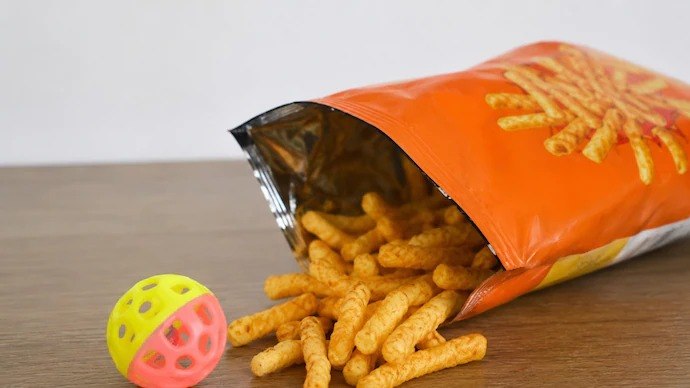
According to preliminary police investigations, Mukund had been given the snack packet, which contained the small plastic ball as a promotional item. While playing, he put the ball into his mouth, where it became lodged in his throat, obstructing his airway. Despite immediate efforts to save him, the child tragically succumbed.
A Family’s Unspeakable Loss
Mukund Mayur was the only child of Santosh and Aishwarya, cherished deeply by his parents and grandparents. His grandparents, Gouramma, a former President of the Hunsur Gram Panchayat, and Shankar Naik, are prominent figures in the local community. The loss of their beloved grandson has left the family utterly devastated, grappling with an unimaginable void.
The police have registered a case regarding the incident and have initiated a thorough investigation. Their inquiry aims to ascertain the exact sequence of events and determine if any negligence contributed to the child’s untimely demise. This heartbreaking event underscores the profound vulnerability of young children to seemingly innocuous objects.
The Allure and Peril of Promotional Toys
The practice of including small toys or collectibles inside snack packets, particularly those aimed at children, has been a long-standing marketing strategy globally. These ‘freebies’ are designed to entice young consumers and boost sales, often creating a sense of excitement and anticipation for the child opening the packet. However, this strategy carries inherent risks, especially when the included items are small enough to pose a choking hazard.
For young children, particularly those under the age of three, anything small enough to fit through a toilet paper roll can be a choking risk. Their natural curiosity often leads them to explore objects by putting them in their mouths. Manufacturers are typically expected to adhere to stringent safety standards for toys, but the integration of toys within food packaging introduces a unique set of challenges and responsibilities.
Navigating India’s Product Safety Landscape
In India, product safety is governed by various regulatory bodies. The Food Safety and Standards Authority of India (FSSAI) oversees food products, ensuring they are safe for consumption. However, the inclusion of non-food items like toys within food packaging falls into a grey area, requiring a collaborative approach with other regulatory frameworks.
The Bureau of Indian Standards (BIS) sets safety standards for toys, including requirements for small parts, sharp edges, and material composition, under the IS 9873 series. The question arises whether toys included as freebies in snack packets are subjected to the same rigorous testing and certification processes as standalone toys. This incident highlights a potential gap in oversight, where the primary focus might remain on the food product itself, inadvertently overlooking the safety implications of the accompanying non-food item.
Consumer protection laws in India also empower consumers to seek redressal against defective products or services. Such incidents often prompt calls for stricter enforcement of existing regulations and, potentially, the introduction of new guidelines specifically addressing the safety of promotional items packaged with food, especially for children’s products.
Broader Concerns for Child Safety
This tragedy in Mysuru is not an isolated incident concerning child safety. The input also referenced another recent, equally heartbreaking event in the same town, where a six-and-a-half-month-old infant died after choking on dried hibiscus flowers kept for puja at home. While distinct in their immediate cause, both incidents underscore the pervasive and often unforeseen dangers that young children face within their immediate environments.
Choking remains a leading cause of accidental death among young children globally. Common household items, small food particles, and even seemingly harmless objects can become fatal hazards. These incidents serve as stark reminders for parents, caregivers, and product manufacturers alike to maintain constant vigilance and prioritize safety above all else.
The Call for Enhanced Vigilance
The Mysuru tragedy serves as a poignant reminder for parents to exercise extreme caution when children are consuming snacks that contain promotional toys. It is crucial to inspect such packets, remove any non-food items immediately, and ensure they are not accessible to very young children. Educating children about the dangers of putting small objects in their mouths is also vital.
For manufacturers, the incident necessitates a re-evaluation of their marketing strategies and product design. The ethical responsibility to ensure that promotional items do not pose a risk to the target demographic, especially vulnerable children, must be paramount. This includes rigorous risk assessments, clear warning labels, and potentially rethinking the inclusion of small, detachable parts in products aimed at young consumers.
Editorial Context
The tragic death of Mukund Mayur in Mysuru carries significant long-term implications for consumer product safety in India. Beyond the immediate grief, this incident is likely to intensify scrutiny on the regulatory framework governing promotional items packaged with food products. It could prompt FSSAI and BIS to collaborate more closely, potentially leading to clearer, more stringent guidelines specifically for such combinations.
In the long run, this event may catalyze a shift in industry practices, compelling manufacturers to prioritize child safety over marketing appeal. It could lead to a reduction in the use of small, detachable toys in snack packets or mandate more robust packaging and warning systems. Ultimately, the hope is that such tragedies will serve as catalysts for systemic changes, ensuring that the joy of a snack never turns into a family’s worst nightmare, fostering a safer environment for all children.
TL;DR
- A 5-year-old boy, Mukund Mayur, tragically died in Mysuru, Karnataka, after choking on a toy ball.
- The toy ball was found inside a packet of Kurkure, a popular snack product.
- Mukund was the only child of Santosh and Aishwarya, and grandson of former Hunsur Gram Panchayat President Gouramma.
- Police have registered a case and initiated an investigation into the circumstances surrounding the incident.
- The tragedy highlights critical concerns about product safety regulations and the potential choking hazards posed by promotional toys in children’s snack packets.