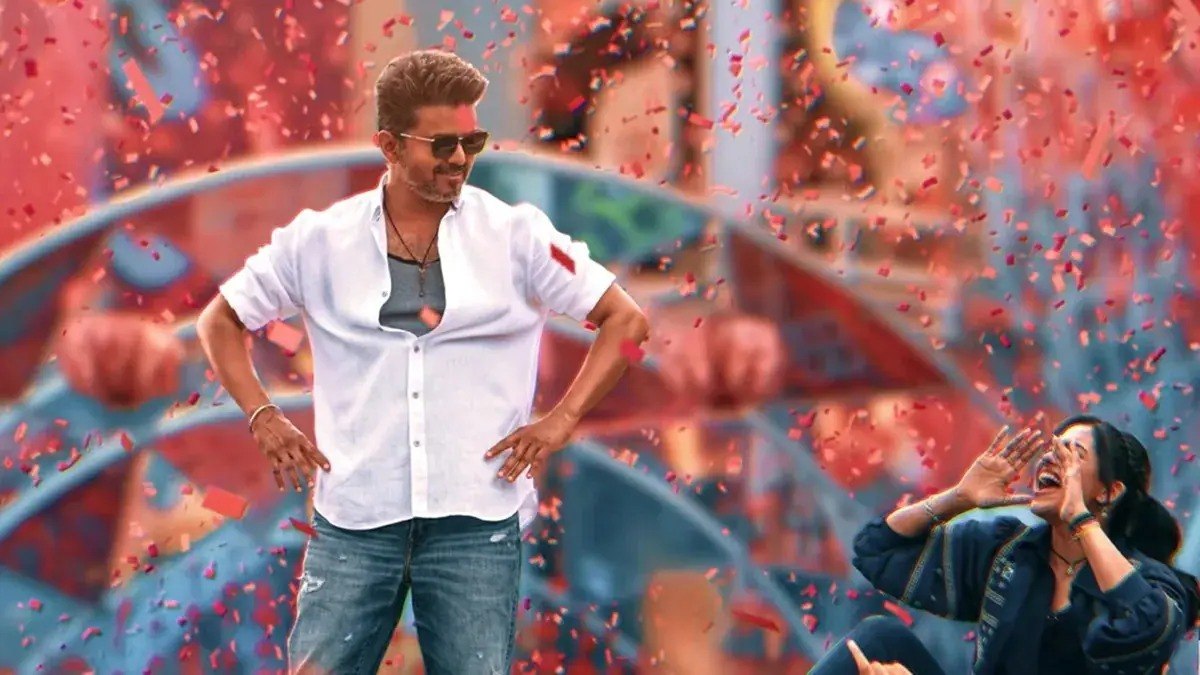
The much-anticipated screenings of actor Vijay’s latest film, ‘Jana Nayagan,’ have been abruptly halted across Karnataka. This widespread cancellation is a direct consequence of intensifying protests related to the long-standing Cauvery water-sharing dispute between Karnataka and Tamil Nadu, casting a shadow over both the entertainment industry and inter-state relations.
The immediate trigger for the unrest was a directive from the Cauvery Water Management Authority (CWMA). The authority upheld a recommendation from the Cauvery Water Regulation Committee (CWRC), instructing Karnataka to release 3,500 cusecs of water per day to Tamil Nadu for the next 15 days. This order ignited widespread anger among farmer groups and various pro-Kannada organizations, who argue that Karnataka itself faces severe water scarcity and cannot afford to release water without jeopardizing its own agricultural sector.
The Unfolding Protests
Across Karnataka, the impact of these protests was immediate and visible. In Bengaluru, Sampige Theatre, a prominent cinema hall, cancelled all its scheduled shows for ‘Jana Nayagan’ as a precautionary measure. Theatre staff were seen removing or covering promotional posters of the film to prevent any potential untoward incidents, highlighting the volatile atmosphere.
Security measures were significantly ramped up in sensitive areas of the city. The Srirampura Police, for instance, increased patrolling and deployed additional personnel, particularly in localities with a substantial Tamil-speaking population, to ensure law and order was maintained amidst the rising tensions.
The situation was particularly charged in Mandya, a district often at the heart of Cauvery-related agitations. Here, pro-Kannada activists actively dismantled promotional banners of ‘Jana Nayagan’ as their demonstrations against the water release order gathered momentum. The actions underscored the deep-seated emotions and the readiness of activist groups to express their dissent through public demonstrations.
A Deep-Rooted Dispute
The Cauvery water dispute is one of India’s most protracted and contentious inter-state river water conflicts, with roots stretching back over a century to agreements made during the British Raj. The Cauvery River, a vital lifeline for millions, originates in Karnataka and flows through Tamil Nadu before emptying into the Bay of Bengal. Both states rely heavily on its waters for agriculture, drinking, and industrial purposes, leading to fierce competition and frequent disputes over allocation.
Over the decades, numerous tribunals, committees, and judicial interventions, including the Cauvery Water Disputes Tribunal (CWDT) and the Supreme Court, have attempted to resolve the issue. Despite various awards and directives, a permanent resolution has remained elusive, with each dry spell or perceived injustice reigniting tensions. The CWMA and CWRC were established precisely to implement the Supreme Court’s final verdict and manage water releases, yet their decisions frequently become flashpoints for political and public outcry.
The current directive comes at a critical time for Karnataka, which has reported deficient rainfall in key catchment areas, leading to concerns about reservoir levels and the availability of water for its own farmers. This perceived imbalance in water sharing, especially during periods of scarcity, fuels the narrative of injustice among the state’s populace and political leadership.
Governmental Recourse and Industry Fallout
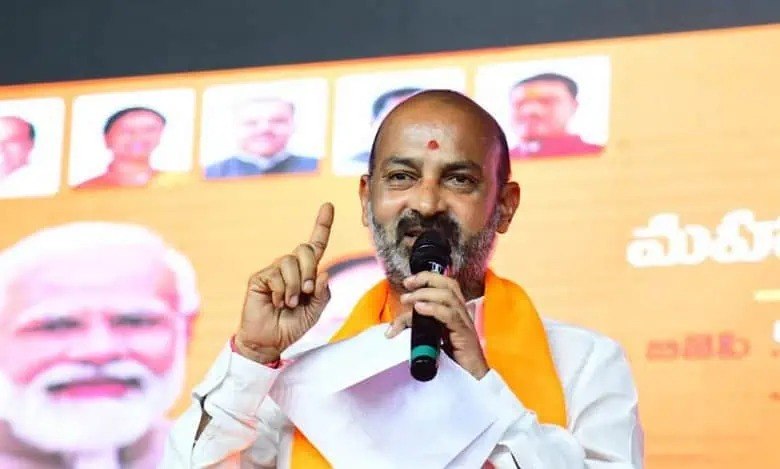
In response to the CWMA’s directive and the ensuing protests, Karnataka Chief Minister DK Shivakumar announced that the state government would appeal against the order. This move signals Karnataka’s intent to legally challenge the decision, arguing for a reconsideration based on the ground realities of water availability within the state.
Conversely, Tamil Nadu’s Law Minister CTR Nirmal Kumar, on Friday, affirmed his government’s resolve to secure its rightful share of Cauvery water. He stated that Tamil Nadu would move the Supreme Court, indicating a potential escalation of the dispute to the highest judicial authority in the country, a common trajectory for this particular conflict.
Beyond the political and agricultural spheres, the film industry is also grappling with the immediate repercussions. The Karnataka Film Chamber has called an urgent meeting to discuss the broader impact of these film cancellations on the industry. ‘Jana Nayagan,’ directed by H Vinoth, had already garnered over Rs 260 crore globally, with Tamil Nadu and Bengaluru being significant contributors to its box office success. The halt in screenings in Karnataka is expected to cause a further dip in its overall collections, adding a financial dimension to the cultural blockade.
Cultural Fallout and Political Undertones
’Jana Nayagan’ holds particular significance as it marks Vijay’s final film as an actor before he transitions into a full-time political career. This context adds another layer of sensitivity to the current situation, as cultural expressions often become collateral damage in inter-state disputes, especially when they involve prominent figures with political aspirations.
The film, a political action drama also starring Pooja Hegde, Bobby Deol, Mamitha Baiju, Prakash Raj, Gautham Vasudev Menon, and Narain, opened to strong box office numbers despite receiving mixed-to-negative reviews from critics and audiences. Its current predicament underscores how deeply intertwined cultural consumption can be with regional politics and sentiments in India.
Editorial Context
The halting of film screenings due to inter-state disputes, while seemingly a localized incident, carries profound long-term implications for India’s federal structure and cultural harmony. Such events highlight the persistent challenges in managing shared resources, particularly water, which is increasingly scarce due to climate change and population growth. The recurring nature of the Cauvery dispute, despite numerous judicial interventions, underscores the need for more sustainable and politically acceptable mechanisms for resource allocation.
Furthermore, the targeting of cultural products like films during protests creates a chilling effect on artistic freedom and cultural exchange between states. It fosters an environment where regional identities can become exclusionary, rather than celebratory of India’s diverse tapestry. Over the long term, these incidents can erode the spirit of cooperative federalism, making it harder to address common challenges and foster national unity. The resolution of such disputes requires not just legal frameworks but also political will and a commitment to dialogue that prioritizes the welfare of all citizens over narrow regional interests.
TL;DR
- Screenings of actor Vijay’s film ‘Jana Nayagan’ have been halted across Karnataka.
- The decision stems from escalating protests over the Cauvery water-sharing dispute between Karnataka and Tamil Nadu.
- Protests were triggered by a CWMA directive for Karnataka to release 3,500 cusecs of water to Tamil Nadu for 15 days.
- Karnataka Chief Minister DK Shivakumar announced the state would appeal the CWMA order.
- Tamil Nadu’s Law Minister CTR Nirmal Kumar stated the government would approach the Supreme Court to secure its water share.
- The Karnataka Film Chamber has called a meeting to discuss the financial and operational impact on the film industry.