The Dual Pillars of Influence
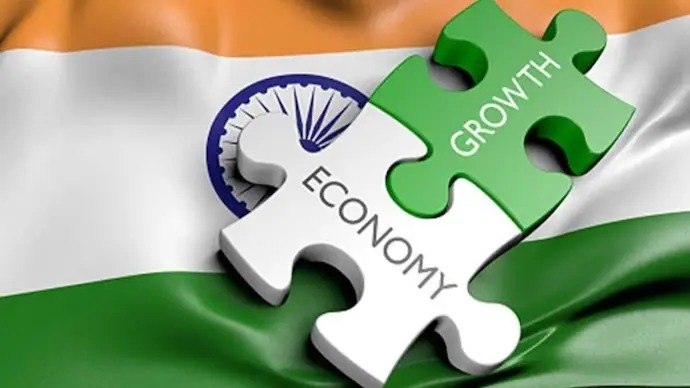
India is rapidly ascending the global economic ladder, establishing itself as one of the world’s fastest-growing major economies. Its increasing involvement in international dialogues on trade, technology, digital public infrastructure, climate, and geopolitics underscores its growing prominence. However, the journey to becoming a global leader involves more than just economic might.
History consistently demonstrates that enduring national influence is forged not solely through economic output or trade, but equally through the ideas a nation shares, the institutions it fosters, and the trust it inspires. This is where the concept of soft power—the capacity to shape global opinion through culture, education, innovation, diplomacy, and people-to-people connections—becomes as vital as economic strength.
Ashok Thombre, an International Business Advisor at The Quantico, emphasizes that India’s next phase of global leadership will critically depend on its ability to effectively balance both economic prowess and soft power. He notes that while India’s economy is rapidly becoming one of the most powerful, global power is not solely measured by economic growth. A nation’s soft power is equally crucial for inspiring trust, building partnerships, and influencing international opinion.
Defining Soft Power’s Reach
Political scientist Joseph Nye, who coined the term, described soft power as a country’s ability to attract rather than coerce others. In today’s interconnected world, culture, education, democratic values, innovation, humanitarian assistance, and diplomacy have emerged as significant tools of international engagement. These often carry as much long-term influence as traditional military or economic power.
Thombre highlights that India possesses numerous advantages extending far beyond its economic growth figures. As the world’s largest democracy, home to one of the oldest civilizations, boasting one of the youngest populations, and nurturing a rapidly expanding digital economy, India inherently holds assets that bolster its global influence. Its rich cultural diversity, robust educational institutions, dynamic entrepreneurial ecosystem, and extensive global diaspora all contribute significantly to building long-term international relationships.
The Global Indian Diaspora
Few countries can boast a diaspora as influential and widespread as India’s. With over 35 million people of Indian origin residing across the globe, India is home to the world’s largest diaspora community. These Indian professionals lead multinational corporations, technology firms, healthcare institutions, universities, financial institutions, and research organizations worldwide. Their collective success not only enhances India’s international reputation but also cultivates lasting economic and institutional relationships between India and their host countries.
Thombre observes that sustainable international partnerships are rarely built solely on commercial interests. While business relationships may commence with economic considerations, they endure because of trust, cultural understanding, institutional engagement, and strong people-to-people connections. Social credibility, he argues, often serves as the strongest ally of economic diplomacy.
Educational and Cultural Diplomacy
India’s educational influence is also expanding significantly. Thousands of Indian students pursue studies overseas annually, while foreign universities actively strengthen academic partnerships with Indian institutions. Research collaborations, student exchanges, and innovation partnerships are no longer merely educational initiatives; they have evolved into instruments of modern diplomacy, fostering goodwill between nations over decades. Education, Thombre states, is not just about creating skilled professionals but also about building long-term goodwill between societies.
The cultural footprint of India has extended far beyond its geographical borders. Yoga, Ayurveda, Indian cinema, literature, cuisine, music, and festivals have seamlessly integrated into global cultural life. The International Day of Yoga, now celebrated in over 190 countries, stands as a testament to how cultural traditions can transform into potent diplomatic tools, fostering global understanding and connection.
Technological Innovation as a Soft Power Pillar
Technology is rapidly emerging as another crucial pillar of India’s soft power. India’s groundbreaking achievements in Digital Public Infrastructure (DPI), including Aadhaar, UPI, and DigiLocker, have garnered global attention. Several countries are now exploring India’s digital governance and payment infrastructure as potential models for delivering public services and expanding financial inclusion. Coupled with one of the world’s largest startup ecosystems, supported by over 2 lakh DPIIT-recognized startups, these innovations are positioning India as a source of practical development models for emerging economies. Innovation, according to Thombre, has become an increasingly important aspect of India’s growing international influence.
Strengthening Domestic Foundations for Global Credibility
Thombre firmly believes that no country can build international credibility without first strengthening its domestic foundations. Progress in education, social inclusion, women’s empowerment, environmental sustainability, digital literacy, and democratic governance ultimately shapes how the world perceives India. Investments in these critical areas therefore contribute not only to internal development but also significantly enhance India’s international standing. A nation that successfully addresses its own challenges, he argues, earns greater respect globally. Such investments are essential for national development and for fortifying India’s global image.
Demographic Dividend and Future Influence
India’s demographic advantage, characterized by one of the world’s youngest populations, may prove to be one of its most significant soft power assets. This demographic dividend presents an unparalleled opportunity to cultivate future diplomats, entrepreneurs, researchers, and innovators who can further strengthen India’s influence globally. Providing young people with quality education, global exposure, and opportunities for international collaboration will be instrumental in shaping India’s reputation over the coming decades.
Drawing on his extensive experience across education, policy, and international development, Thombre concludes that lasting partnerships are built through understanding rather than mere transactions. Countries that prioritize human relationships tend to forge partnerships that remain robust even amidst economic and political uncertainties. India’s ambition to become a global economic powerhouse is well underway, but sustaining global leadership will necessitate more than just faster GDP growth, stronger exports, and technological progress.
Editorial Context
India stands at a pivotal juncture, poised to redefine its role on the global stage. The insights from Ashok Thombre underscore a critical strategic imperative: true global leadership for India will not be solely defined by its economic might, but by its ability to project a compelling narrative of values, culture, and innovation. This long-term vision requires a sustained commitment to nurturing its soft power assets—from its vibrant diaspora and rich cultural heritage to its pioneering digital public infrastructure and robust educational ecosystem. The emphasis on domestic progress, social inclusion, and democratic governance as foundational elements for international credibility highlights a holistic approach to statecraft. Over the long term, India’s success in balancing these human and economic dimensions will determine its trajectory as a respected global leader, moving beyond transactional relationships to forge enduring, value-based partnerships that resonate across continents and generations.
TL;DR
- India’s global leadership requires balancing rapid economic growth with robust soft power.
- Soft power encompasses culture, education, innovation, diplomacy, and the influence of its vast diaspora.
- India’s 35 million-strong diaspora and expanding educational partnerships are crucial for building international trust and relationships.
- Digital Public Infrastructure (Aadhaar, UPI) and cultural exports like Yoga are powerful tools enhancing India’s global appeal and diplomatic reach.
- Domestic progress in areas such as education, social inclusion, and women’s empowerment is fundamental for strengthening India’s international credibility.
- Lasting global partnerships are built on mutual understanding and human connections, rather than solely on economic transactions.