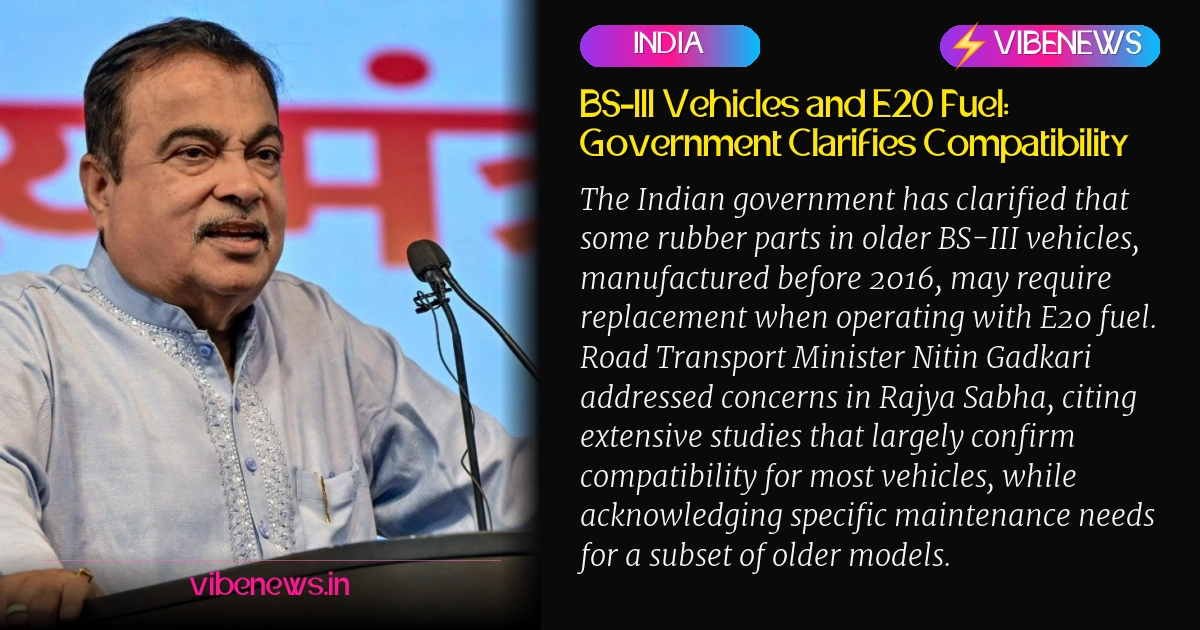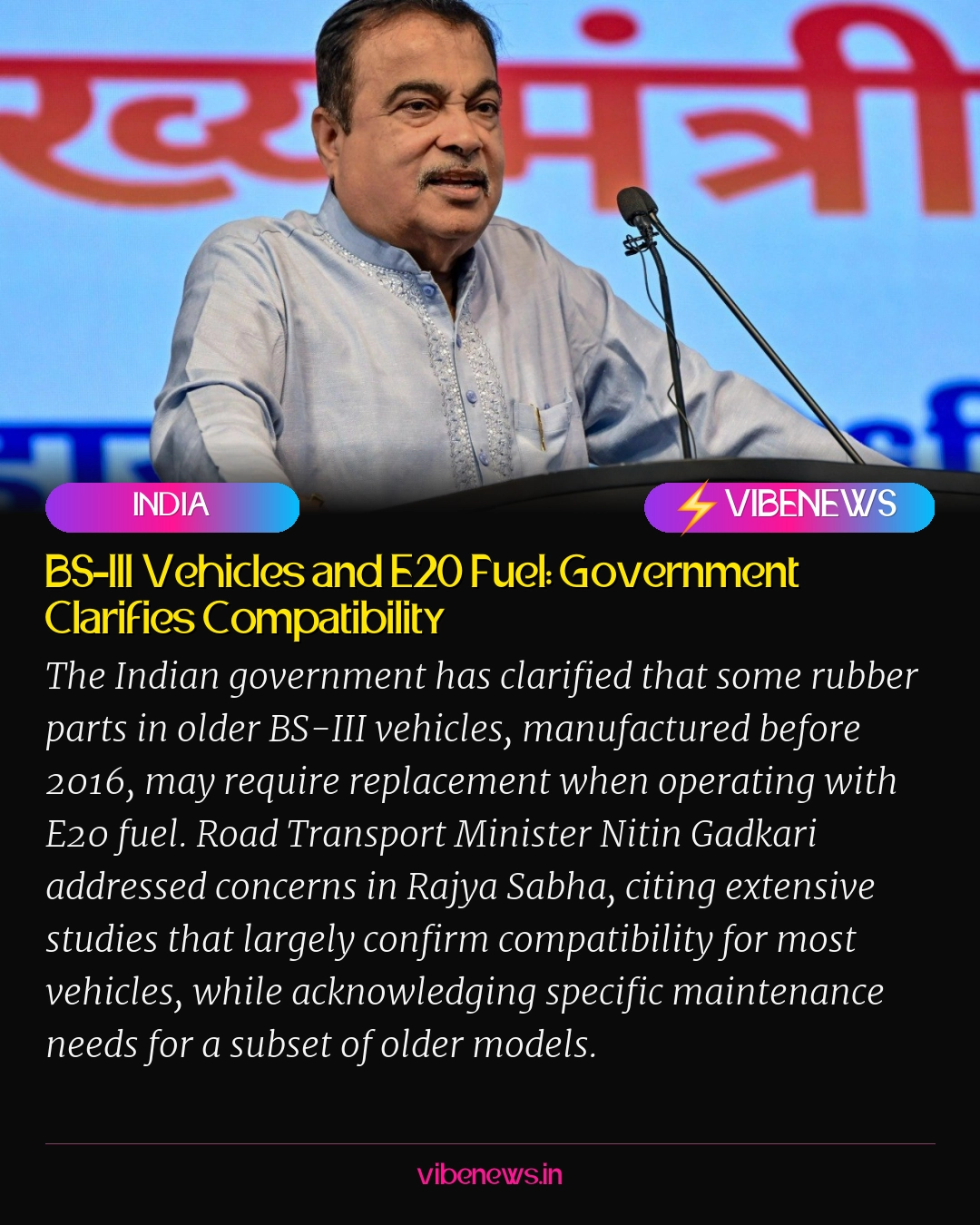
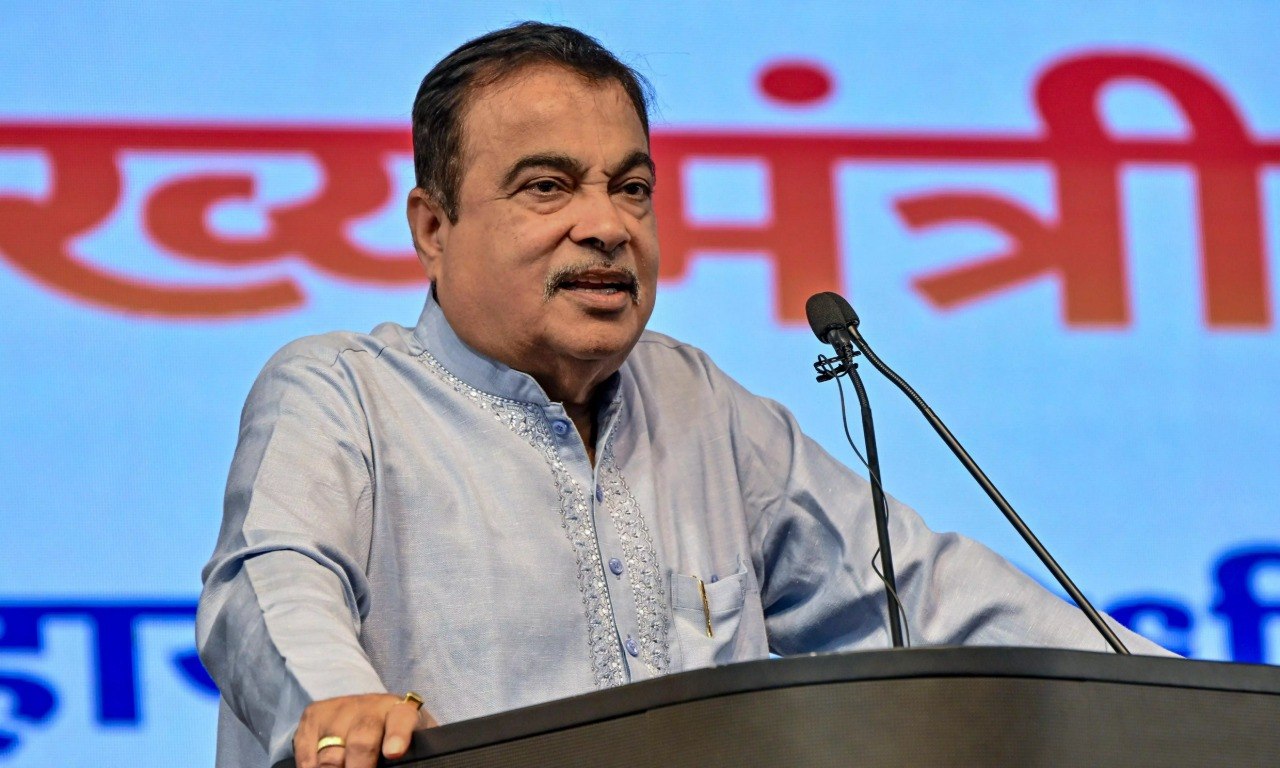
New Delhi – The Indian government has issued a clarification regarding the compatibility of older vehicles with E20 fuel, a blend of 20 per cent ethanol and 80 per cent petrol. Road Transport and Highways Minister Nitin Gadkari informed the Rajya Sabha that certain rubber components and gaskets in BS-III vehicles, specifically those introduced from April 1, 2005, and manufactured before 2016, might necessitate replacement when these vehicles operate on E20 fuel.
This statement comes amidst ongoing discussions and concerns raised by various stakeholders, including opposition parties and consumer groups, about the potential impact of E20 fuel on vehicle performance, longevity, and maintenance costs. The government’s response aims to provide clarity on the matter, emphasizing that such replacements can typically be managed during routine vehicle servicing.
Understanding the E20 Transition
The introduction of E20 petrol is a significant step in India’s broader strategy to reduce its reliance on fossil fuel imports and promote cleaner energy. The Ethanol Blended Petrol (EBP) Programme, which commenced with a pilot in 2001 and saw E5 (5% ethanol blend) introduced in 2006, has progressively scaled up. While blending remained modest until 2013-14, it has since been increased in a calibrated manner, supported by the development of necessary production capacity, infrastructure, and a robust regulatory framework.
Globally, ethanol blending has been in practice for over a century, with countries like Brazil successfully operating vehicles on much higher ethanol blends for decades. India’s roadmap for ethanol blending, outlined in the ‘Roadmap for Ethanol Blending in India 2020-25’ by an Inter-Ministerial Committee (IMC) under Niti Aayog, followed extensive consultations with automobile manufacturers, oil companies, and agricultural experts. This comprehensive assessment covered material compatibility, engine calibration, fuel systems, drivability, durability, emissions, and fuel efficiency.
Extensive Compatibility Assessments
Minister Gadkari highlighted that a thorough study evaluating the effects of E20 on both two-wheelers and four-wheelers was jointly conducted by key institutions. These included Indian Oil Corporation Limited (IOCL), Indian Institute of Petroleum (IIP) Dehradun, the Society of Indian Automobile Manufacturers (SIAM), and the Automotive Research Association of India (ARAI).
The findings from these studies indicated that, for the vast majority of vehicles, including many legacy models, there was no significant variation in performance or abnormal wear-and-tear when operated with E20 fuel. Parameters such as drivability, startability, and compatibility with various metals and plastics reportedly showed no issues. The specific concern for BS-III vehicles manufactured before 2016 regarding certain rubber parts and gaskets was identified as an isolated requirement, manageable within standard maintenance schedules.
Addressing Public and Political Concerns
The rollout of E20 petrol has not been without its critics. Opposition parties and some consumer advocacy groups have voiced apprehensions about the universal compatibility of the fuel, particularly for older vehicles not originally designed for a 20 per cent ethanol blend. Questions have been raised about potential reductions in fuel efficiency, increased maintenance costs, and the clarity of liability in the event of engine or fuel-system problems.
The government has consistently maintained that the transition has been carefully phased and supported by extensive scientific testing and validation. Automobile manufacturers, for their part, have affirmed their commitment to honouring warranty claims for vehicles using E20 fuel, seeking to reassure consumers. However, calls for greater transparency on vehicle compatibility and robust consumer safeguards continue to be a recurring theme in public discourse.
The Legislative Framework and Future Outlook
Bharat Stage (BS) emission standards are India’s regulatory framework for limiting pollutants from vehicles, including carbon monoxide, nitrogen oxides, hydrocarbons, and particulate matter. The BS-III standard, relevant to the current discussion, was in effect before the more stringent BS-IV and BS-VI norms were introduced. The government’s clarification specifically targets this older segment of the vehicle fleet, acknowledging their unique material compositions.
Before the broader introduction of E20, comprehensive laboratory studies, durability trials, and field validations were undertaken. These covered critical aspects such as engine durability, material compatibility, fuel systems, corrosion resistance, drivability, emissions, fuel economy, and overall vehicle performance. This rigorous approach underscores the government’s intent to ensure a smooth transition while addressing potential challenges proactively.
Editorial Context
The government’s detailed clarification on E20 fuel compatibility, particularly for BS-III vehicles, is crucial for India’s long-term energy strategy and environmental commitments. The push for ethanol blending is not merely an economic decision to reduce the import bill but also a significant step towards mitigating carbon emissions and promoting a more sustainable fuel ecosystem. By integrating agricultural produce like sugarcane and maize into the fuel supply chain, it also offers potential benefits to the farming community.
However, the transition requires careful management of consumer expectations and addressing practical challenges. The acknowledgment of potential rubber part replacements in older vehicles, while seemingly minor, highlights the need for clear communication and accessible solutions for vehicle owners. Ensuring that the benefits of ethanol blending are realized without disproportionately burdening consumers with older vehicles will be key to the program’s success and public acceptance. This ongoing dialogue between policymakers, industry, and consumers will shape the future of India’s automotive and energy landscape for decades to come.
TL;DR
- Some rubber parts and gaskets in BS-III vehicles, manufactured before 2016, may need replacement when using E20 fuel.
- Road Transport Minister Nitin Gadkari stated these replacements can be managed during routine vehicle servicing.
- Extensive studies by IOCL, IIP, SIAM, and ARAI found no significant performance issues or abnormal wear in most vehicles, including legacy models, with E20 fuel.
- The government’s EBP Programme is a phased, scientifically validated approach, with global precedents in countries like Brazil.
- Opposition parties and consumer groups have raised concerns about E20’s impact on mileage, maintenance, and liability for older vehicles.
- The ‘Roadmap for Ethanol Blending in India 2020-25’ committee extensively consulted with industry experts before E20’s introduction.