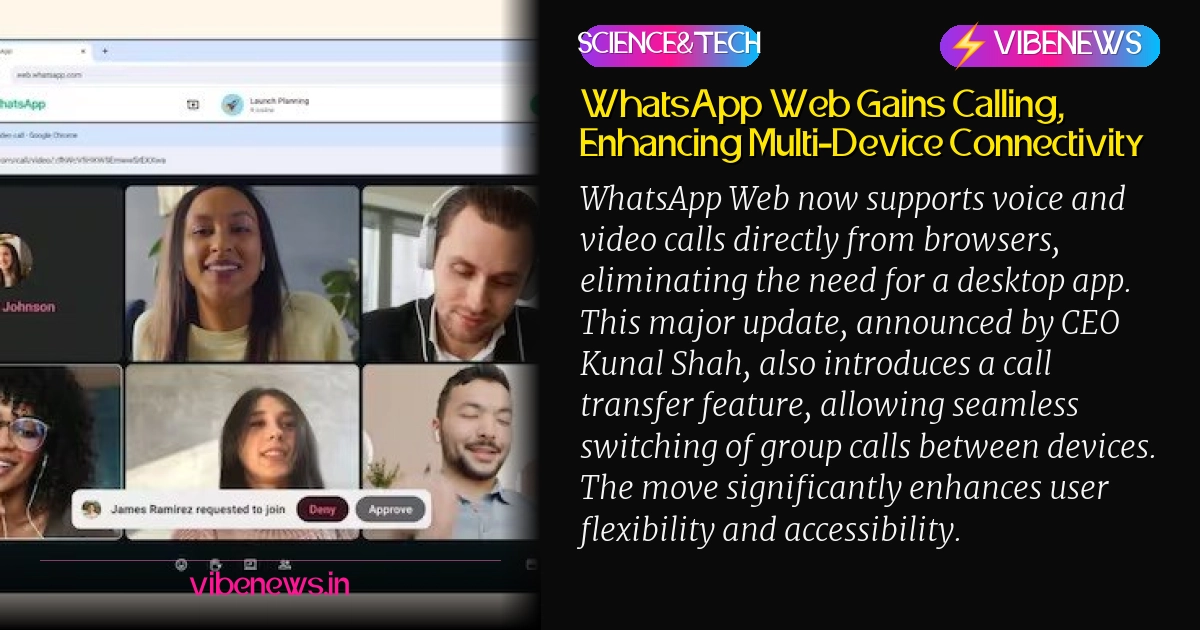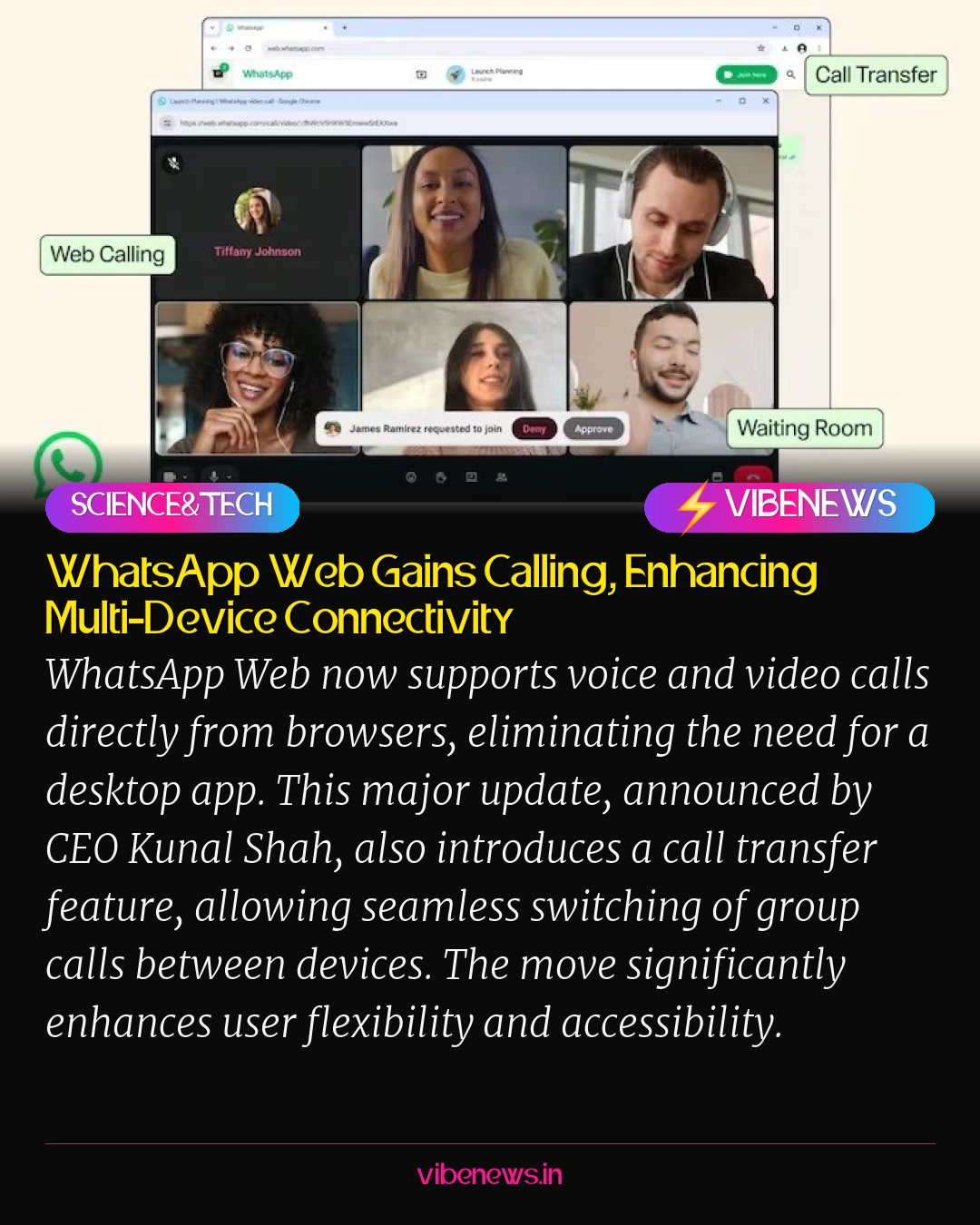
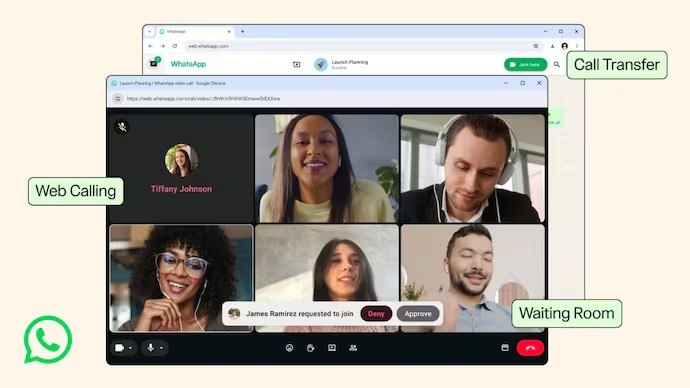
WhatsApp has rolled out a significant enhancement to its communication platform, enabling users to conduct voice and video calls directly from their web browsers. This update eliminates the prior requirement of a dedicated desktop application, offering greater flexibility and accessibility for millions of users worldwide.
The announcement was subtly made by CEO Kunal Shah on X, where he playfully acknowledged the common habit of keeping numerous browser tabs open. Shah’s message highlighted the practical utility of this new feature, suggesting it would integrate seamlessly into existing digital workflows.
Expanding the Reach of Communication
Previously, initiating or receiving a WhatsApp call on a computer necessitated the installation of a standalone desktop application. This often posed challenges for individuals using shared computers, work laptops with restricted software installation policies, or those who simply preferred a browser-centric workflow.
With this update, WhatsApp Web now supports both one-on-one and group audio and video calls. This means users can leverage their browser for all their calling needs, mirroring the experience available on mobile devices and the desktop app.
The feature set accompanying browser-based calls is comprehensive. Users will find familiar functionalities such as screen sharing, emoji reactions, a dedicated Calls tab for easy access, a complete call history, and the ability to manage favourite contacts directly within the browser interface.
Effortless Transitions Between Devices
Alongside the browser calling capability, WhatsApp has also introduced a new Call Transfer feature. This innovation allows users to seamlessly move an ongoing group call from one device to another without any interruption or the need to disconnect and redial.
Imagine starting a group discussion on your smartphone while commuting and then, upon reaching home, effortlessly transferring the call to your WhatsApp Web interface for a more comfortable, larger-screen experience. The flexibility extends in both directions, enabling users to switch back to their mobile device if they need to step away from their computer.
This functionality addresses a common pain point for users who frequently switch between devices throughout their day. It ensures continuity in conversations, enhancing the overall user experience and making WhatsApp a more integrated part of a multi-device lifestyle.
Security and User Experience at the Forefront
WhatsApp has emphasized that these new browser-based calls maintain the same robust end-to-end encryption that protects conversations on its mobile and desktop applications. This commitment to privacy ensures that all communications remain secure and accessible only to the participants.
Furthermore, the company has confirmed that browser calls come with no time limits and incur no additional costs, aligning with WhatsApp’s established model of free, secure communication. This consistency in policy reinforces user trust and encourages broader adoption of the new features.
The Indian Digital Landscape and WhatsApp’s Dominance
In a country like India, where WhatsApp boasts an unparalleled user base, this update holds particular significance. Millions of Indians rely on WhatsApp not just for personal chats but also for business communication, educational purposes, and community engagement.
The ability to make calls directly from a browser will be especially beneficial in scenarios where users might not have a personal laptop or prefer using shared computers in internet cafes, libraries, or workplaces. It democratizes access to advanced communication features, ensuring that even those with basic computing setups can participate in voice and video calls without friction.
This move also strengthens WhatsApp’s position against competitors in the video conferencing space, many of which are primarily browser-based. By offering a native browser calling experience, WhatsApp further entrenches itself as the go-to communication platform for a diverse range of user needs across India’s vast digital ecosystem.
Editorial Context: A Strategic Evolution in Communication
This latest update from WhatsApp is more than just a feature addition; it represents a strategic evolution in how digital communication platforms are adapting to modern user habits. The shift towards browser-native calling reflects a broader industry trend of making services accessible across an increasingly fragmented device landscape.
For Meta, WhatsApp’s parent company, this move enhances the platform’s stickiness and utility, potentially drawing users away from competing video conferencing solutions. By integrating calling directly into the web interface, WhatsApp reduces friction, making it easier for users to stay within its ecosystem for all their communication needs, from text to voice and video.
In the long term, this development could reshape expectations for cross-device functionality in messaging apps. It underscores the importance of seamless transitions and ubiquitous access, pushing other platforms to innovate further in their multi-device strategies. As work and personal lives increasingly blend across various screens, platforms that offer such fluid experiences are poised to capture a larger share of user engagement and loyalty.
The update also highlights WhatsApp’s continuous effort to evolve beyond a simple messaging app into a comprehensive communication suite. This expansion ensures its relevance and competitive edge in a rapidly changing digital world, particularly in markets like India where its influence is profound.
TL;DR
- WhatsApp Web now supports direct voice and video calls, eliminating the need for a dedicated desktop application.
- Users can make and receive both one-on-one and group calls directly from their web browser.
- The update includes familiar features like screen sharing, emoji reactions, a dedicated Calls tab, and complete call history on the web.
- A new Call Transfer feature allows seamless movement of active group calls between different devices (e.g., smartphone to WhatsApp Web) without disconnecting.
- All browser-based calls maintain the same end-to-end encryption as mobile and desktop apps, with no time limits or additional costs.
- This enhancement significantly boosts multi-device flexibility and accessibility, particularly benefiting users in regions like India who rely heavily on WhatsApp for diverse communication needs.