Traffic on the Durgam Cheruvu bridge in Hyderabad is grinding to a halt during peak hours, and drivers are paying for it every single day.
A report published on November 5, 2026 describes a familiar nightmare. Vehicles crawl across the bridge at the busiest times, and commuters sit stuck in a queue that barely moves.
The report points to two main causes. The first is poor road conditions. The second is the failure of traffic police to properly regulate the flow of vehicles. Either one would be enough to slow things down. Together, they turn an already busy stretch into a daily bottleneck.
The bridge is not just another road. Durgam Cheruvu is a tourist spot, which means the congestion does not only hit office-goers heading home. It also catches visitors who came to enjoy the area and ended up trapped in a jam.
The city’s traffic is showing commuters hell.
That line from the report captures the mood on the ground. It is not a dramatic exaggeration for effect. It is a plain description of what drivers face when the bridge fills up at rush hour.
What it means for Telangana’s capital
Durgam Cheruvu sits in Hyderabad, the capital of Telangana. Problems on a major city bridge are not isolated annoyances. They ripple outward, affecting how long people take to get to work, how late they reach home, and how much fuel and patience they burn in the process.
For the thousands who use the city’s roads every day, this is a recurring tax on time. Each peak-hour crawl chips away at the working day. The people paying that cost are ordinary commuters who had no say in how the roads were built or how traffic is managed.
The report also highlights a basic question that residents keep asking. If the roads are in poor shape, and the traffic police are not managing the flow of vehicles, who is responsible for fixing it? The report does not name a specific official or agency response, which leaves the commuters waiting for an answer.
A daily ordeal with no visible relief
The report describes the situation in stark terms. Peak hours are the worst time to be on the road, and drivers feel every minute of it. Frustration builds when the same bottleneck appears day after day, with no clear sign that the underlying problems are being addressed.
Commuters are not asking for much. They want roads that can handle the vehicles using them and traffic management that keeps cars moving rather than locking them in place. Those are basic expectations for a city bridge that also draws visitors.
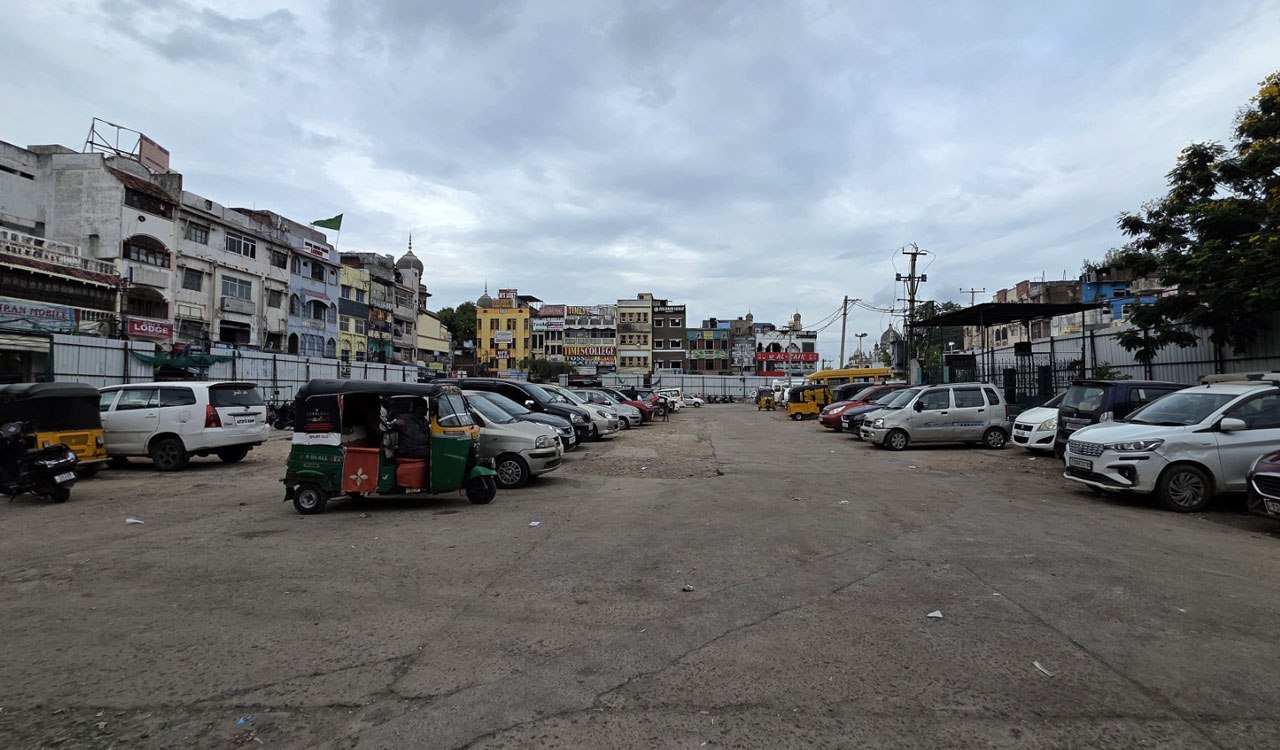
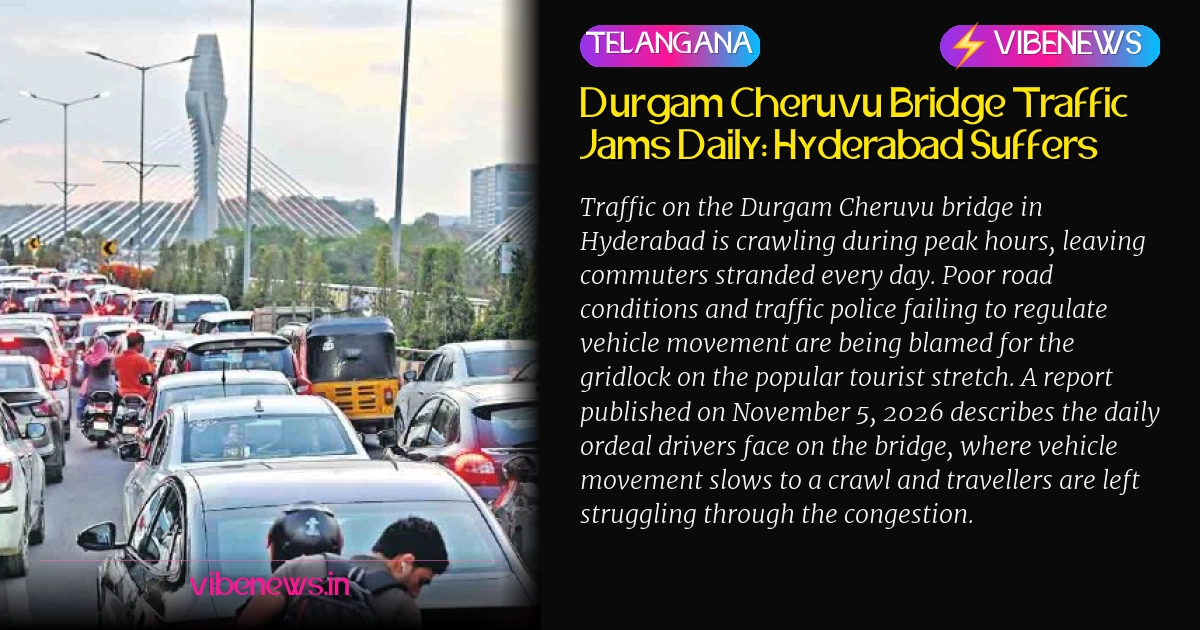
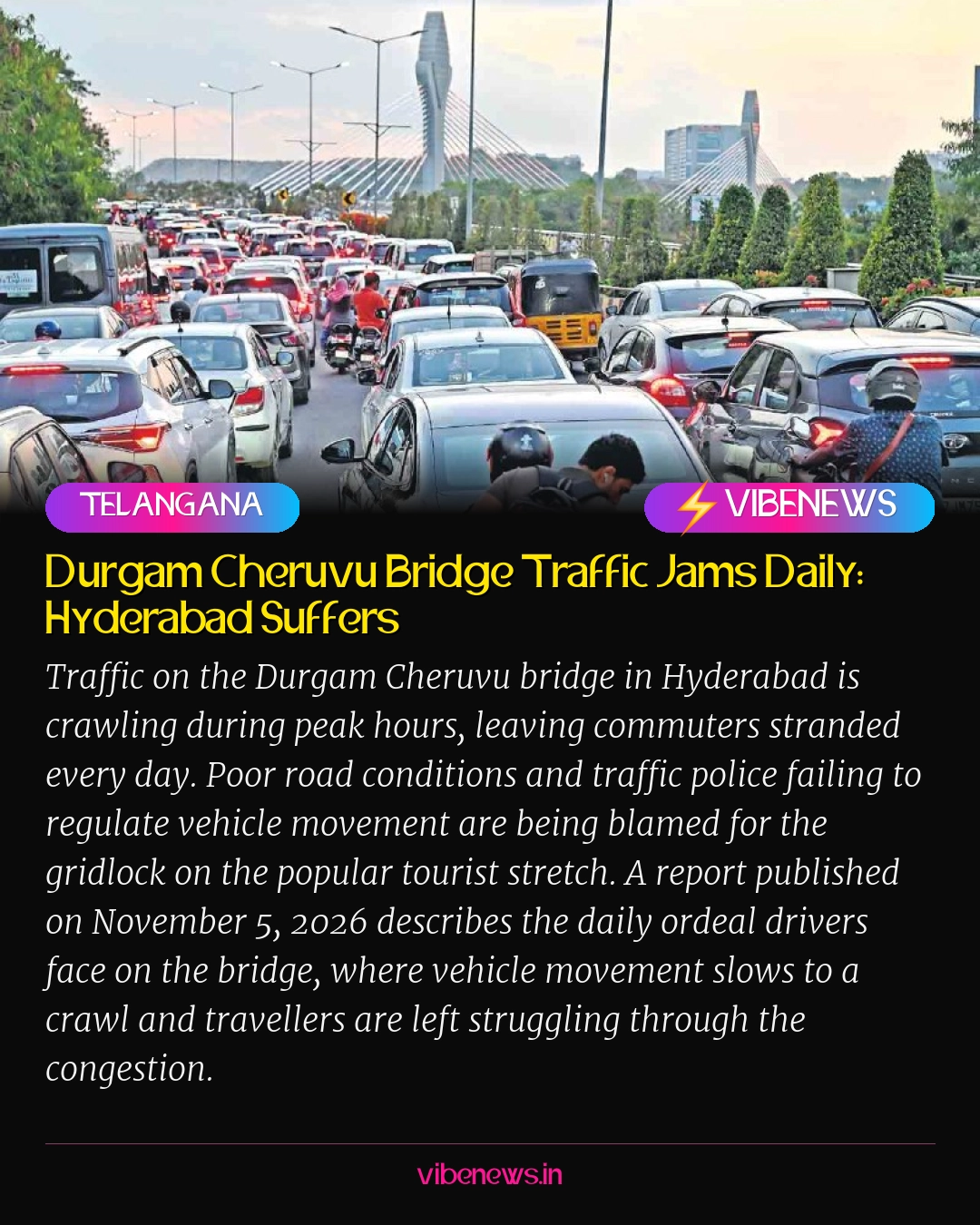
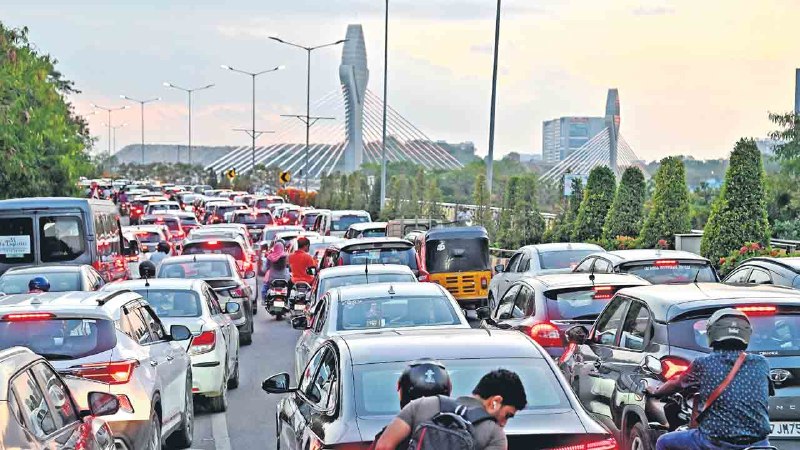
The accompanying image shows the heavy traffic density on the bridge. It serves as a visual reminder that this is not a rare event. It is the normal state of affairs during the busiest hours.
Why this story matters to every driver in the city
Traffic jams at a well-known landmark do more than slow people down. They shape how residents feel about the city they live in. When a popular spot becomes a place people dread driving through, the frustration spreads beyond the bridge itself.
Hyderabad’s residents already know what a bad commute feels like. This report puts a name and a location to the pain. It shows that the trouble is concentrated at a specific point, and that the causes cited, poor roads and lapses in traffic regulation, are things that can be fixed if someone acts on them.
Until that happens, drivers will keep planning their days around the bridge and bracing for delays they cannot control. The report makes clear that the pressure is coming from both the road and the traffic management system, and commuters are the ones absorbing the cost.
TL;DR
- Peak-hour traffic on the Durgam Cheruvu bridge in Hyderabad is leaving commuters stranded daily.
- The report blames poor road conditions and traffic police failing to regulate vehicle movement.
- Durgam Cheruvu is a tourist spot, so visitors are caught in the same gridlock as daily commuters.
- The report was published on November 5, 2026, and includes an image of the bridge’s heavy traffic.
- The congestion highlights a recurring daily cost for commuters in Telangana’s capital.