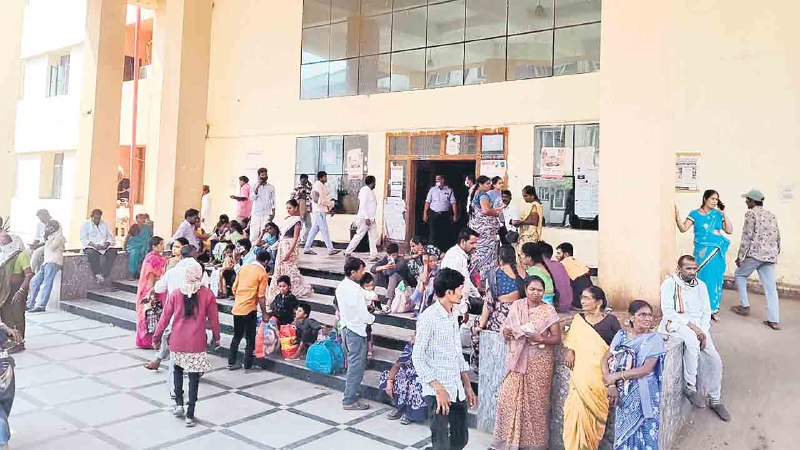
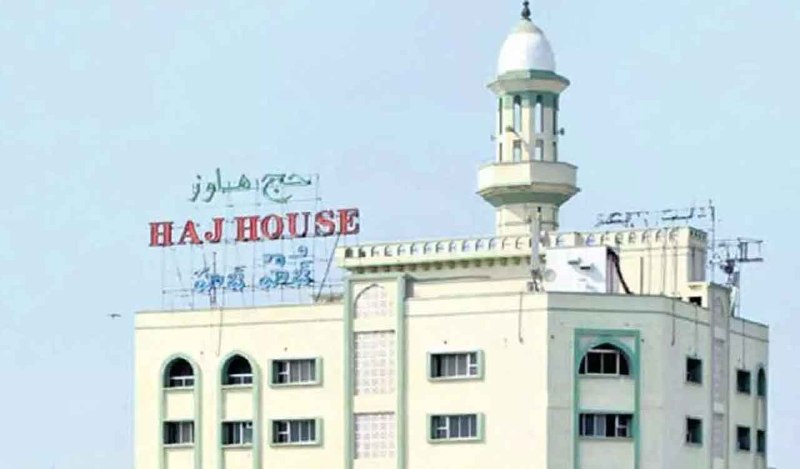
Muslim leaders and activists in Hyderabad are protesting new restrictions on public access to Razaaq Manzil, the building better known as Haj House, which houses the offices of the Minority Welfare Department on Public Garden Road.
For decades, the building let people walk in without much trouble. That has changed over the past few days. Visitors are now allowed inside only after thorough verification, and the change has landed hard on people who come to the building every day for official work. The list of tenants explains why the building matters so much to the community. It houses the Telangana Urdu Academy, the Telangana State Haj Committee, the Telangana Minorities Finance Corporation, the Telangana State Wakf Board and other offices of the Minority Welfare Department.
Social activist Mohd Obaidullah said the restrictions are causing real inconvenience to people visiting for official business. He questioned why public access to government offices needs to be limited in the first place. The question is simple, and it is hard to answer with a security argument alone.
BRS Minority Cell General Secretary Abdul Muqeet Chanda went further. He launched a sharp attack on the Congress government and said Muslim leadership had been forced to fight for something as basic as unrestricted entry into a government building. Chanda questioned the installation of grills and the new restrictions. He alleged that the arrangements appeared designed to keep people out of the premises, to limit their ability to question officials, and to stop them from raising issues about minority welfare institutions. In his view, the government was not answering public grievances. Instead, he charged, it was putting physical barriers between people and the administration. These are his allegations, and the government has not answered them in the report.
Wakf activist Syed Ifteqar Hussaini voiced a different kind of frustration. He worried about the inconvenience to visitors heading to the various offices, but his sharpest point was about priorities.
“Muslim leaders should be fighting for education, employment, scholarships, fee reimbursement, welfare schemes and economic empowerment rather than struggling to get the gates of Haj House opened,” he said.
That quote captures the tension in this dispute. Critics see a basic right being contested over a gate and a verification counter. Some community voices see the fight as a distraction from bigger issues like jobs, scholarships and welfare schemes. Both views come from people who want better service from the same department.
The official explanation comes from an unnamed official in the Minority Welfare Department. The official said the decision to regulate entry followed untoward incidents, including protests inside the building. Those incidents, the official said, raised security and safety concerns for employees and officials who work there. That is a serious claim, and it deserves to be weighed against the complaints from visitors. The report, however, does not describe the protests in detail. It does not say when they happened, who took part, or whether anyone was hurt or charged. It also does not say how long the verification rules will stay in place or whether the department plans to ease them.
What it means for Hyderabad and Telangana
This is not a distant story. Haj House sits in the middle of Hyderabad, and the offices inside serve residents of Telangana who deal with minority welfare, Wakf matters, urdu education and minority finance. Every change in access affects people across the state who need paperwork processed or questions answered. The dispute also puts the state government directly in the middle of a debate about how public buildings should balance security with open access. Since the department is a state body, the answer will come from the state, not from the city alone.
For now, the situation is a standoff between a security explanation and a community complaint. The government has said the entry rules followed real incidents inside the building. Community leaders say those rules are shutting people out and making government offices harder to reach. The report leaves open whether a middle path exists, such as clearer verification steps or a short-visit pass system, and it does not say whether officials have been asked to consider one.
TL;DR
- Muslim leaders and activists are opposing new entry restrictions at Razaaq Manzil, popularly known as Haj House, in Hyderabad.
- Visitors are now allowed inside only after thorough verification, which critics say is blocking people with official work.
- BRS Minority Cell General Secretary Abdul Muqeet Chanda accused the Congress government of creating physical barriers between people and the administration.
- Wakf activist Syed Ifteqar Hussaini said community leaders should focus on education, employment and welfare schemes.
- A Minority Welfare Department official said the rules followed untoward incidents, including protests inside the building.
- The building houses the Telangana State Haj Committee, the Telangana State Wakf Board and the Telangana Urdu Academy.