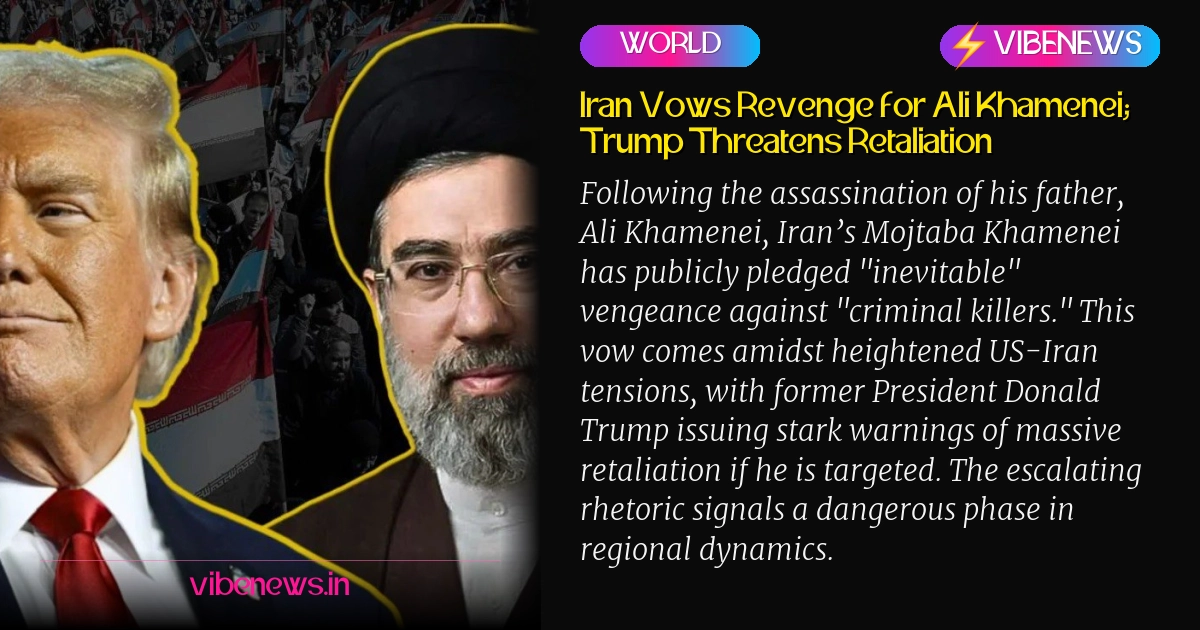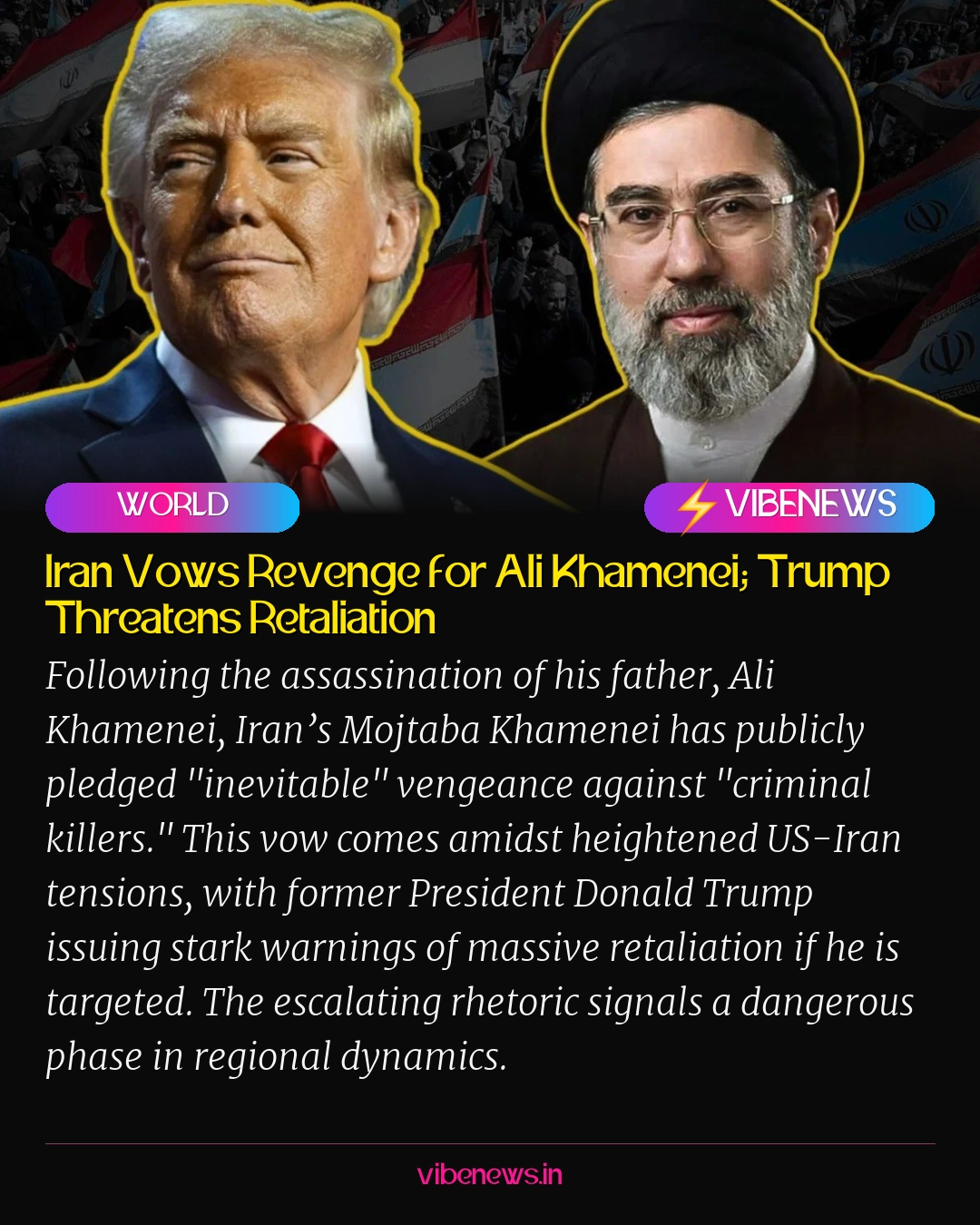
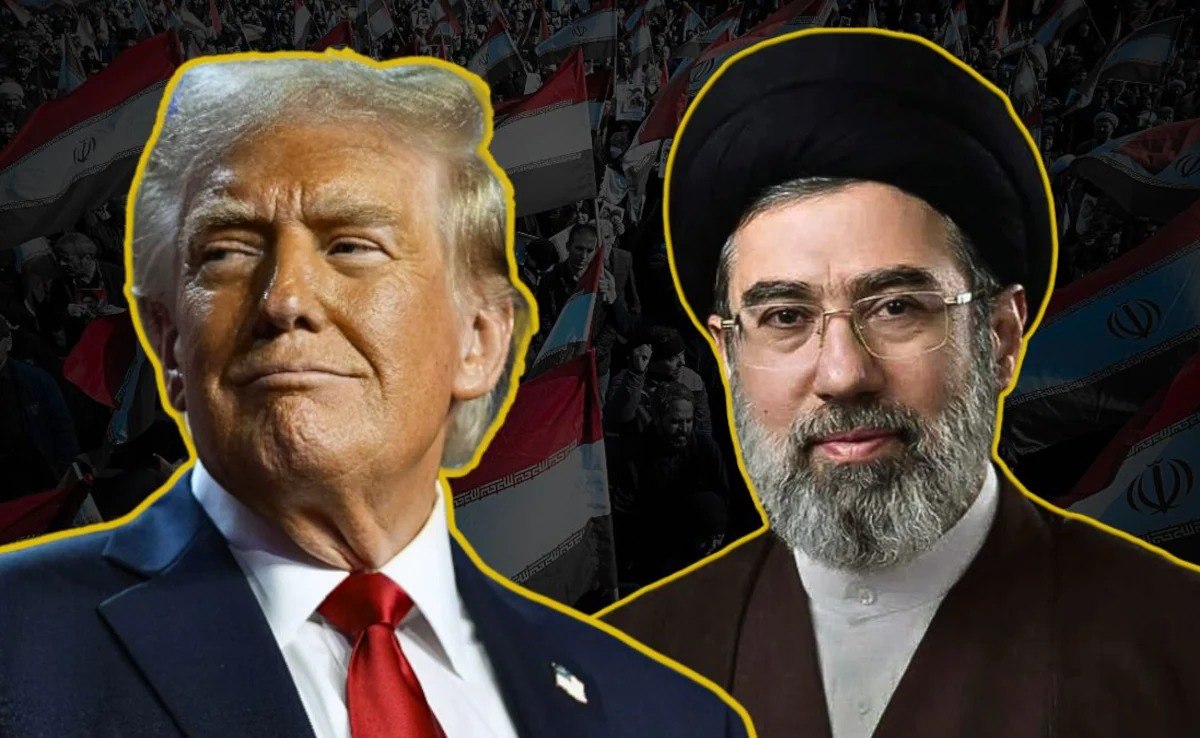
Iran’s Supreme Leader, Mojtaba Khamenei, has publicly vowed "inevitable" revenge for the assassination of his father, Ali Khamenei, who was killed in US-Israeli strikes on February 28. This potent declaration, made during his father’s funeral ceremonies, significantly escalates already volatile tensions between Tehran and Washington, drawing a direct counter-threat from former US President Donald Trump.
The explicit pledge from a figure of Mojtaba Khamenei’s stature marks a dangerous turning point, transforming past grievances into a clear and present threat of direct retaliation, which could plunge the Middle East into a wider, unpredictable conflict. This shift from implicit to explicit vows of vengeance, coupled with Trump’s equally stark warnings, signals a critical phase in international relations, with potential global ramifications far beyond the immediate region.
Mojtaba Khamenei’s Vow of "Inevitable" Vengeance
Mojtaba Khamenei released a written message via social media, expressing profound gratitude for the massive turnout at his father’s funeral ceremonies. He stated that the people of the Islamic Republic "demand" to take revenge for the assassination of his predecessor and father, Ali Khamenei.
The message explicitly pledged to "avenge the blood" of the "martyred leader" and all "martyrs" killed in the ongoing conflict. Khamenei emphasized that this vengeance is "inevitably to be carried out" and does not depend on his personal existence or that of other officials, asserting its certainty.
He extended his heartfelt gratitude to millions across Iran and Iraq, specifically mentioning the cities of Tehran, Qom, Najaf, Karbala, and Mashhad, for their participation in the funeral processions. This widespread public display of mourning and support underscores the deep emotional and political resonance of Ali Khamenei’s death within the region.
Context of Ali Khamenei’s Assassination
The funeral ceremonies for Ayatollah Ali Khamenei were held months after his death, providing a platform for the public expression of grief and calls for retribution. He was killed in US-Israeli strikes targeting his office in Tehran on February 28, an event that has been a major catalyst for the current escalation in rhetoric.
Ali Khamenei was laid to rest at the Holy Shrine of Imam Reza in Mashhad, a significant religious site, with thousands of supporters gathering to pay their final farewells. His death has been a critical point of contention, fueling a strong desire for retribution within Iran’s political and religious establishment.
Donald Trump’s Stark Warning to Iran
Former US President Donald Trump recently addressed Iran’s alleged plans to assassinate him, adding another layer of tension to the situation. Speaking to the New York Post, Trump stated he has been on Iran’s "list" for a long time, acknowledging the persistent threats.
He revealed that he has given "instructions" to officials to "bomb them at levels that they’ve never seen before" if anything happens to him. This aggressive stance highlights the potential for severe US retaliation should any perceived Iranian aggression target him.
Trump clarified that Israel had not warned him of new plots, but reiterated his long-held belief that Iran has sought his death for years. This statement came a day before Mojtaba Khamenei’s public pledge, further intensifying the war of words and the perceived threat of a broader Middle East conflict.
Earlier, Trump had swapped travel plans after a NATO Summit in Ankara, a move the White House later acknowledged as a security tactic for the president’s safety. This incident underscores the real security concerns surrounding such high-profile figures amidst geopolitical tensions.
Escalating Geopolitical Tensions and Regional Impact
The exchange of direct threats between Iran’s leadership and a former US President underscores a dangerously escalating geopolitical landscape. The assassination of Ali Khamenei, attributed to US-Israeli strikes, has ignited a strong desire for retribution within Iran, now publicly articulated by Mojtaba Khamenei.
Mojtaba Khamenei’s public vow transforms this desire into a stated policy, signaling potential future actions that could have far-reaching consequences. Such rhetoric significantly heightens the risk of miscalculation and direct military confrontation in the Middle East, impacting regional security and global stability.
Regional allies and international observers are closely monitoring the situation for any signs of further escalation, which could destabilize global energy markets and international relations. The current climate demands careful diplomatic engagement to prevent a wider conflict.
Who is Mojtaba Khamenei?
Mojtaba Khamenei is the son of the late Ali Khamenei, who served as Iran’s Supreme Leader, a pivotal religious and political figure. His public statements, especially concerning such a sensitive issue, carry significant weight within the Iranian political and religious establishment.
While not the current Supreme Leader, his prominent role in the funeral and his direct pledge of vengeance position him as an influential voice within the Iranian power structure. His message reflects a strong consensus among hardline elements within Iran regarding the necessity of retaliation for perceived aggressions against the nation and its leaders.
TL;DR
- Mojtaba Khamenei, son of the assassinated Ali Khamenei, publicly vowed "inevitable" revenge for his father’s death, killed in US-Israeli strikes on February 28.
- This pledge was made during Ali Khamenei’s funeral ceremonies, drawing massive public turnout across Iran and Iraq.
- Former US President Donald Trump issued a counter-threat, stating he has instructed officials to "bomb" Iran massively if he is targeted for assassination.
- The explicit exchange of threats marks a significant escalation in US-Iran tensions, raising concerns about regional stability and potential military conflict.
- Ali Khamenei was laid to rest at the Holy Shrine of Imam Reza in Mashhad, months after his death in Tehran.