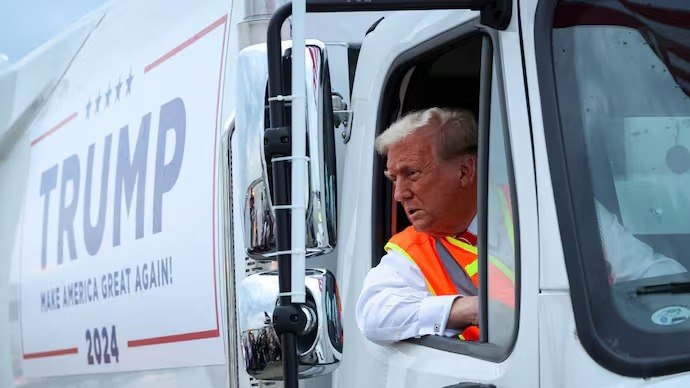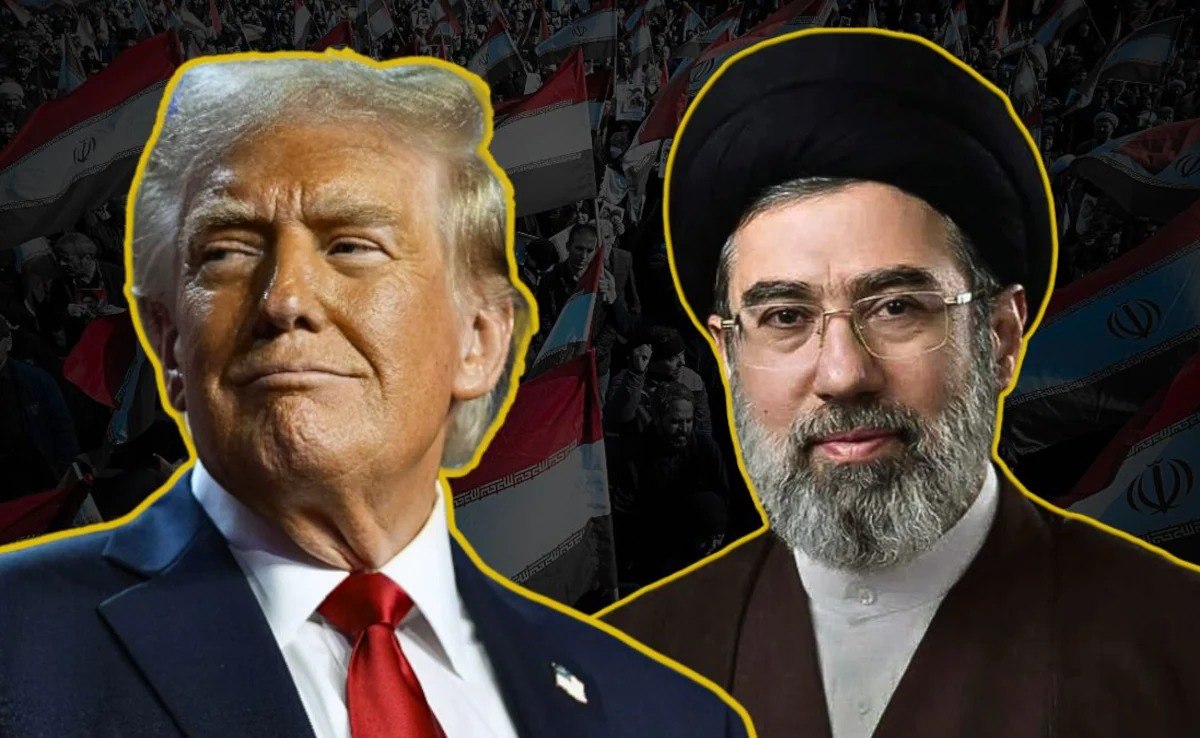
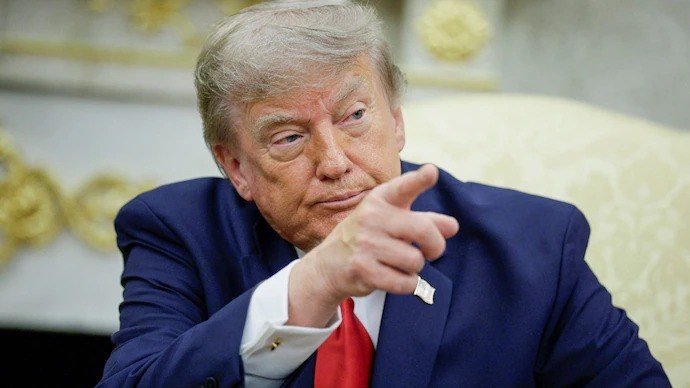
Following the deaths of three US service members, former President Donald Trump has vowed an "overwhelming military response" against Iran, declaring Tehran will "pay many times over" for American casualties. This stark warning comes amidst a significant escalation of tit-for-tat strikes across the Middle East, further eroding hopes for regional stability.
The former President’s strong statement, posted on Truth Social, instructed top US defense officials to ensure Iran faces severe consequences for any American service member killed. He specifically named Secretary of War Pete Hegseth and Chairman of the Joint Chiefs of Staff Daniel Caine as recipients of this directive.
Escalation After US Casualties
Trump’s warning follows the Pentagon’s confirmation of three US service members killed over the weekend in separate Iranian attacks. Two soldiers, Private Isabella Gonzales (19) and Lieutenant Tyler James Feehan (25), died at a military base in Jordan, while another perished in northern Iraq.
A search operation is ongoing for a missing service member from the Jordan attack, with US officials reporting the recovery of "unidentified remains." These casualties mark a critical turning point in the simmering US-Iran tensions.
Intensified Military Operations
The US Central Command (CENTCOM) has confirmed its ninth consecutive night of strikes against Iranian targets, signaling a significant intensification of Washington’s military campaign. These operations are reportedly aimed at degrading Iran’s capacity to threaten commercial shipping in the strategically vital Strait of Hormuz and punishing Islamic Revolutionary Guard Corps (IRGC) forces.
Concurrently, Iranian media reported explosions in several cities, including Tabriz, Chabahar, Konarak, Bandar Mahshahr, and Bandar Imam Khomeini. State news agency IRNA confirmed at least one fatality and several injuries near Tabriz.
In response, the IRGC claimed responsibility for missile attacks targeting US military facilities across the region. These included strikes on Jordan’s Aqaba airport, Kuwait’s Al-Adiri camp and Ali Al Salem Air Base, and various positions in Syria.
Strait of Hormuz: A Global Flashpoint
The battle for control of the Strait of Hormuz has emerged as a defining feature of the escalating conflict. This narrow waterway is crucial for global oil shipments, and disruptions here have far-reaching economic implications.
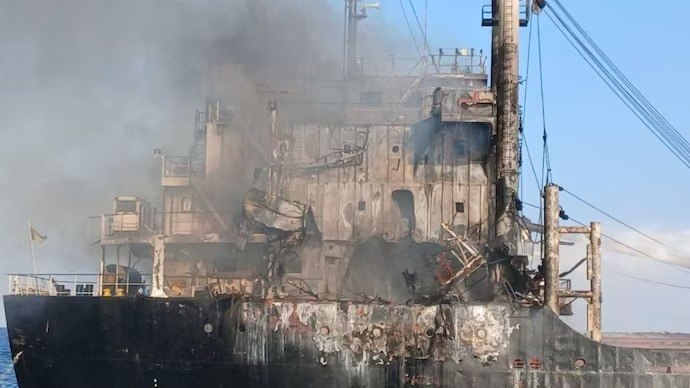
The IRGC claimed two oil tankers exploded after attempting to navigate what it described as an "unsafe" route through the strait. Separately, the United Kingdom Maritime Trade Operations agency reported a vessel struck by an unidentified projectile off the coast of Oman, though all crew members were reported safe.
Washington maintains its military operations are essential to keep international shipping lanes open. Tehran, however, accuses the United States of attempting to seize control of this strategically important waterway, further fueling regional instability.
Humanitarian Concerns: Attacks on Desalination Plants
Beyond military installations, the conflict is increasingly impacting critical civilian infrastructure, raising significant humanitarian concerns. Kuwait confirmed that one of its desalination plants came under attack for the second consecutive day, resulting in a fire.
Desalination facilities are vital, providing most of the drinking water for millions of residents across Gulf countries. Damage to these plants has heightened fears of widespread water shortages, posing a severe threat to public health and stability in the region.
Iran has accused the United States of previously targeting one of its own desalination facilities. Tehran has warned it could retaliate against similar infrastructure across the Gulf, indicating a dangerous new front in the conflict that directly impacts civilian populations.
Diplomacy Remains a Faint Hope
Despite the escalating violence and rhetoric, both Washington and Tehran have indicated that diplomatic channels are not entirely closed. US Secretary of State Marco Rubio stated that while the US would continue strikes as long as Iran threatened international shipping, Washington remains open to negotiations.
Iran’s Foreign Ministry spokesperson Esmaeil Baghaei also acknowledged receiving proposals from international mediators. He confirmed that diplomatic channels remain active but declined to discuss the specifics of the initiatives currently under consideration, leaving a sliver of hope for a de-escalation.
TL;DR
- Former President Donald Trump vows "many times over" retaliation against Iran after three US service members were killed in recent attacks.
- The deaths of Private Isabella Gonzales, Lieutenant Tyler James Feehan, and another soldier have led to intensified US and Iranian military strikes across the Middle East.
- The strategic Strait of Hormuz remains a critical flashpoint, with both nations accusing each other of threatening global shipping and maritime security.
- Attacks on vital civilian infrastructure, specifically desalination plants in Kuwait, have raised fears of severe water shortages for millions in the Gulf region.
- Despite the escalating military actions, both the United States and Iran have indicated that diplomatic channels remain open for potential de-escalation.