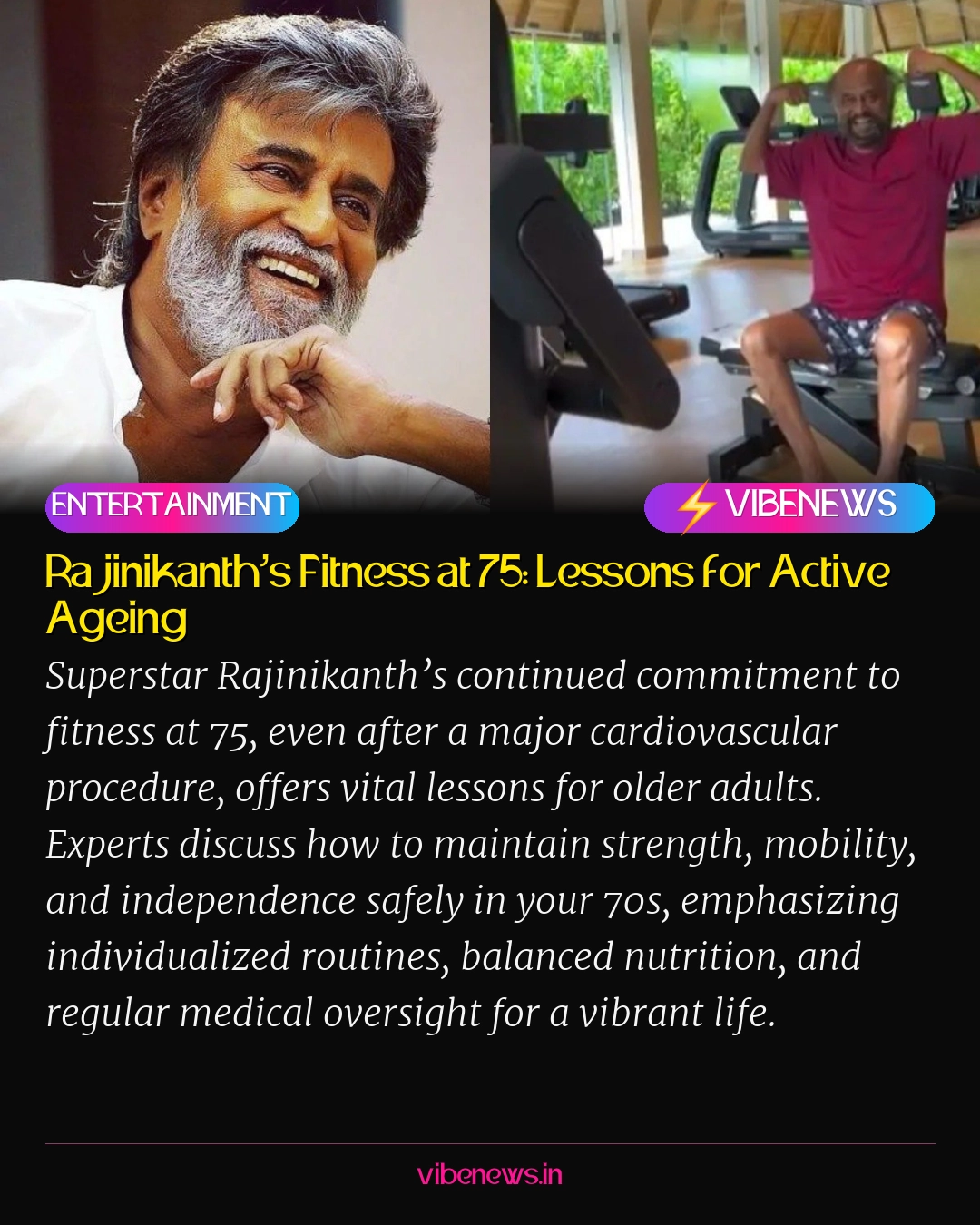
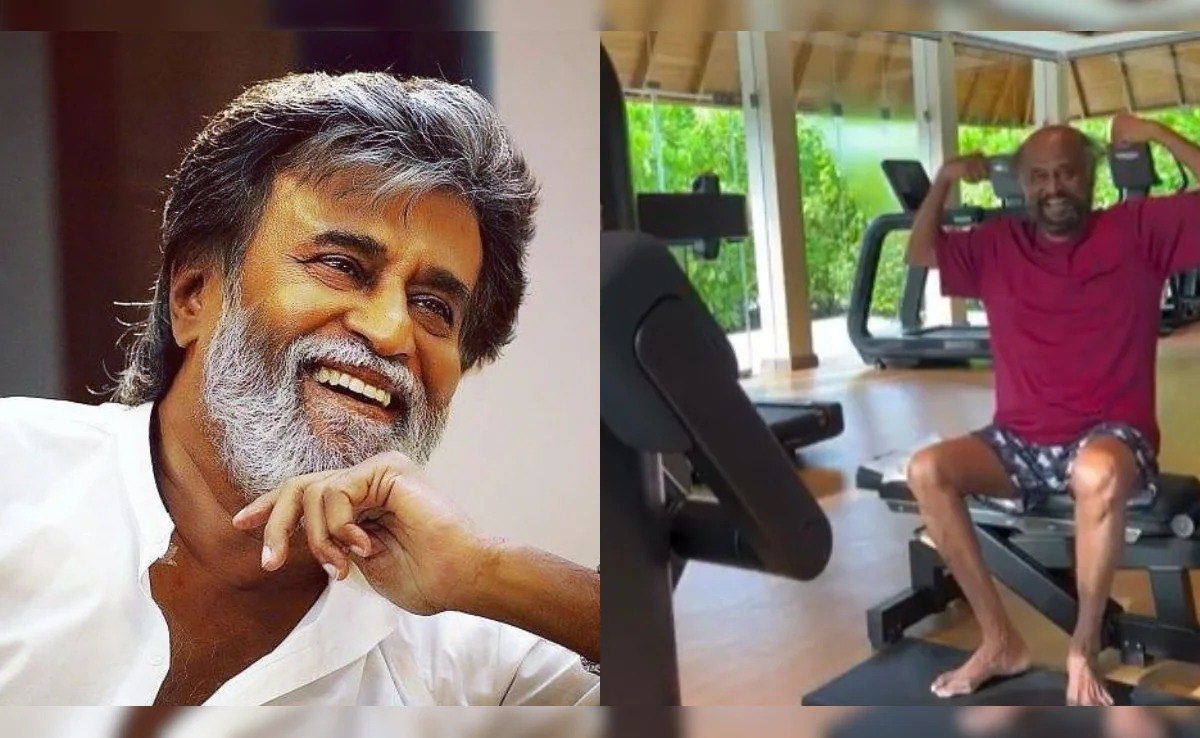
Superstar Rajinikanth recently marked an extraordinary milestone, completing 51 years in Indian cinema. The celebration, held on the sets of his upcoming film "Dharman," brought together director Ashwath Marimuthu and the entire cast and crew. While his enduring career is undeniably impressive, it is the actor’s remarkable physical vitality at 75 that truly captures attention and offers profound lessons for active ageing.
Despite his age, Rajinikanth maintains a consistent and visible fitness regimen. This commitment is particularly noteworthy given his medical history, which includes a carotid artery disease diagnosis and subsequent revascularisation in 2021. His journey prompts a critical question for many older adults: Is it truly safe and beneficial to continue rigorous exercise in one’s 70s, especially after undergoing a significant cardiovascular procedure?
Understanding Carotid Artery Health
Rajinikanth’s 2021 carotid artery revascularisation followed an episode of giddiness. The carotid arteries are vital blood vessels responsible for delivering oxygen-rich blood directly to the brain. A narrowing of these arteries, often due to plaque buildup, significantly increases the risk of stroke by impeding blood flow or causing plaque-related complications that affect cerebral circulation.
Dr. Sai Sudhakar, Chief Interventional Cardiologist and Chief Cardiac Transplant Physician at Gleneagles Hospital, Fortis Network, Lakdikapool, Hyderabad, highlights that a history of cardiovascular conditions or vascular procedures does not automatically necessitate a sedentary lifestyle. He emphasizes that Rajinikanth’s active approach at 75 is a powerful reminder that ageing does not equate to inactivity, provided exercise is adapted to individual health.
The Importance of Strength Training
Many people mistakenly associate ageing with only gentle activities like walking or light stretching. Yet, experts increasingly underscore the indispensable role of strength training in promoting healthy ageing. As individuals advance in years, a natural decline in muscle mass and strength, known as sarcopenia, occurs. This process can severely impact balance, mobility, and the ability to perform daily activities independently, simultaneously elevating the risk of falls and overall frailty.
Rajinikanth has been observed performing exercises such as squats and incline dumbbell presses under professional supervision. While his workout might appear demanding, medical professionals advise older adults against attempting to replicate a celebrity’s routine without a comprehensive understanding of their own physical condition. Dr. Manjusha Agarwal, Consultant-Internal Medicine at Gleneagles Hospital Mumbai, clarifies that the primary objective for individuals in their 70s is not to mimic a star’s workout, but rather to achieve and maintain functional fitness.
Crafting a Balanced Exercise Regimen
A comprehensive exercise routine for older adults typically integrates several key components. This includes moderate aerobic activity, such as walking, which is one of the simplest and most effective ways to maintain cardiovascular fitness. Depending on individual health and fitness levels, other low-impact activities can also be considered, with intensity gradually increased rather than through sudden, strenuous workouts.
Resistance training is vital for preserving muscle mass and enhancing functional strength. This can involve appropriately modified squats, resistance-band movements, light weights, or bodyweight exercises. However, individuals with heart disease, vascular conditions, joint issues, or other medical concerns must consult their doctor to determine suitable intensity levels. Balance exercises are also critical, as stability naturally deteriorates with age, increasing fall risks. Gentle, safe balance-focused movements can significantly help.
Finally, stretching and mobility exercises are essential for maintaining the range of motion necessary for everyday tasks. These should always be performed gently, without causing significant pain.
Holistic Health: Beyond Physical Activity
Exercise constitutes only one facet of healthy ageing. Individuals in their 70s, particularly those with a history of cardiovascular or vascular disease, must diligently monitor crucial health parameters. Dr. Sudhakar advises close attention to conditions like high blood pressure, diabetes, and high cholesterol, all of which profoundly influence cardiovascular well-being. Adopting a balanced diet, maintaining a healthy weight, ensuring adequate sleep, managing stress effectively, and avoiding tobacco are equally paramount.
For those with a history of carotid artery disease, regular medical follow-up is especially critical. Exercise plans may require adjustments based on blood pressure readings, cardiovascular fitness assessments, current medications, and other evolving health conditions. Nutrition also plays an equally important role in preserving strength and function, especially as older adults are susceptible to muscle loss.
Navigating Exercise Safely
Dr. Agarwal emphasizes the need for older adults to ensure adequate protein intake, alongside essential nutrients like calcium and vitamin D, tailored to individual health requirements. Adequate hydration is also crucial, and meals should consistently provide a diverse array of fruits, vegetables, whole grains, and healthy fats. She underscores that "rest and proper nutrition are indispensable for recovery."
A history of carotid surgery or revascularisation does not mandate a sedentary existence. However, the timing and intensity of exercise must be determined based on an individual’s recovery trajectory and overall cardiovascular health. Consulting a doctor before initiating or significantly increasing physical activity is non-negotiable for older adults with a history of vascular disease. It is particularly important to avoid suddenly commencing heavy lifting or high-intensity workouts after a prolonged period of inactivity. Exercise should always progress in gradual stages, allowing the body ample time to adapt.
Dr. Agarwal cautions against overly enthusiastic workouts, especially when they are mismatched with an individual’s age, fitness level, or medical condition. Symptoms such as pain, dizziness, unusual breathlessness, chest discomfort, or extreme fatigue during exercise should never be ignored. Such signs warrant immediate cessation of activity and prompt medical consultation, particularly for those with known heart or vascular disease.
Editorial Context: A Blueprint for Independent Living
For older adults, the true measure of fitness extends beyond building a muscular physique or achieving a specific weight. The more meaningful goals revolve around functional abilities: walking comfortably, climbing stairs, rising from a chair independently, carrying everyday objects, maintaining balance, and ultimately, preserving autonomy. Dr. Agarwal aptly states that "regular physical activity in advanced age will enable people to stay independent."
This profound insight is perhaps the most significant lesson gleaned from Rajinikanth’s fitness journey. His routine should not be viewed as a universal template for every person in their 70s. Instead, it powerfully demonstrates that ageing and physical activity can harmoniously coexist when exercise is approached with prudence and personalization. Turning 70 does not signify the end of physical fitness; in fact, maintaining strength, balance, mobility, and cardiovascular health becomes even more critical with advancing age.
Rajinikanth’s unwavering commitment to exercise at 75 serves as an inspiring reminder that sustained activity can profoundly support independence and enhance the quality of life. However, older adults—especially those with a history of carotid disease, heart problems, diabetes, arthritis, or other chronic conditions—must prioritize safe, individualized, and progressively structured exercise over simply emulating a celebrity workout. The judicious combination of strength training, aerobic activity, balance exercises, sound nutrition, adequate sleep, and regular medical monitoring can empower many older adults to remain vibrantly active well into their 70s and beyond.
TL;DR
- Rajinikanth’s continued fitness at 75, even after carotid artery revascularisation, highlights the possibility of active ageing.
- Medical experts emphasize that age alone is not a barrier to physical activity, but exercise routines must be individualized based on health history and fitness levels.
- Strength training is crucial for older adults to combat muscle loss, improve balance, and maintain functional independence, alongside aerobic, flexibility, and balance exercises.
- A holistic approach to healthy ageing includes balanced nutrition (adequate protein, vitamins), hydration, sufficient sleep, stress management, and regular medical monitoring.
- Older adults, especially those with pre-existing medical conditions, must consult their doctors before starting or significantly altering exercise regimens.
- The primary goal for senior fitness is functional independence and quality of life, not replicating high-intensity celebrity workouts, with safety being paramount.