
Spider-Man: Brand New Day has achieved an unprecedented milestone in the Indian box office, shattering previous records for Hollywood films and signaling a significant shift in the country’s cinematic landscape. The Tom Holland-starrer has soared past the Rs 500 crore gross mark, continuing its impressive run well into its third week of release. This remarkable performance underscores the growing appetite among Indian audiences for high-quality international content, particularly from beloved franchises.
After just 17 days in cinemas, the film amassed an estimated net collection of Rs 457.45 crore and a gross total of Rs 546.92 crore across India. Its third Saturday alone added a substantial Rs 10.15 crore net, demonstrating sustained audience engagement even after initial hype. The film’s journey began with an early release in India on July 30, preceding its global debut, a strategic move that clearly paid dividends.
A New Benchmark for Hollywood in India
The latest Spider-Man installment has officially dethroned James Cameron’s Avatar: The Way of Water to become the highest-grossing Hollywood film ever released in India. Globally, the film has also achieved monumental success, crossing the $2 billion mark worldwide within three weeks. This places it in an elite club, becoming only the second film after Avengers: Endgame to reach this staggering figure, though Endgame achieved it in a faster 11-day span.
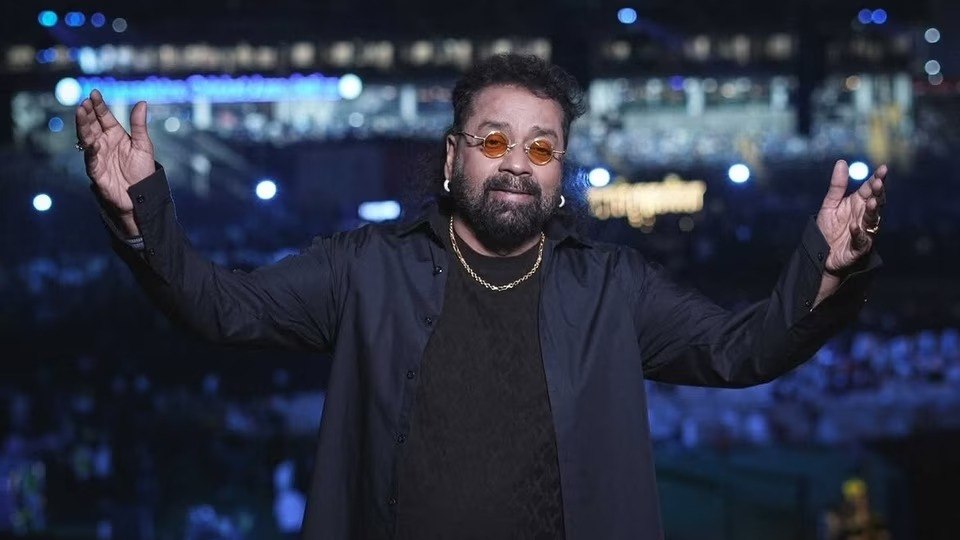
Shony Panjikaran, General Manager & Head, Sony Pictures Releasing International, India, expressed his astonishment at the film’s reception. While acknowledging the immense popularity of the Spider-Man franchise and Tom Holland in India, he admitted the scale of success surpassed even their optimistic projections. Panjikaran noted that the team recognized the film’s potential upon viewing it, anticipating it would become the number one Hollywood film in India, but its rapid ascent to that position in just 11 days was truly exceptional.
Strategic Distribution and Premium Viewing
The film’s extensive release strategy in India involved approximately 5,300 screens. A key element of this approach was a deliberate focus on premium viewing formats, even amidst the initial unavailability of IMAX screens in the country. Panjikaran highlighted the team’s efforts to collaborate with exhibitors, raising awareness around Premium Large Format (PLF) screens, which include technologies like 4DX.
India boasts over 60 PLF screens and around 35 4DX screens, totaling nearly 100 premium-format options. While these screens constituted only about 2 per cent of the film’s overall screen footprint, they contributed more than 8 per cent of the total business at the time of the interview. This disproportionate contribution underscores the audience’s willingness to invest in an enhanced cinematic experience, a trend that challenges traditional notions of price sensitivity in the Indian market.
Redefining Audience Spending Habits
The pricing strategy for Spider-Man: Brand New Day also pushed conventional boundaries. Reports indicated premium tickets in major cities like Delhi-NCR and Mumbai reached as high as Rs 2,800 and Rs 2,700, respectively. Panjikaran firmly believes that Indian audiences are not inherently price-sensitive but rather value-sensitive. He articulated that consumers are prepared to spend significantly if they perceive they are receiving a product or experience truly worth the money.
This perspective suggests a maturing market where quality and immersive experiences are prioritized over mere affordability. The success of the film at these elevated price points provides crucial data for future theatrical releases, indicating a potential shift in how studios and exhibitors approach ticket pricing for tentpole films.
The Power of Multilingual Accessibility
A crucial factor in the film’s widespread appeal was its release in multiple Indian languages: English, Hindi, Tamil, Telugu, Malayalam, and Kannada. While English accounted for approximately 53 per cent of the business, Hindi contributed a substantial 34-35 per cent. Tamil and Telugu each brought in around 5 per cent, with Malayalam and Kannada collectively adding about 1 per cent. The Hindi performance, in particular, was lauded for its significant growth and consistently high occupancies.
Panjikaran clarified that the decision to dub the film into various regional languages was not solely driven by revenue generation. Instead, the primary intention was to offer audiences the option to experience the film in their preferred language, thereby enhancing accessibility and connection. He cited Spider-Man: Across the Spider-Verse, which was dubbed into 10 Indian languages, as a precedent for this inclusive strategy, even if some languages might not yield significant profits. This approach reflects a deeper understanding of India’s diverse linguistic landscape and cultural nuances.
An Increasingly Language-Agnostic Audience
The phenomenal success of Brand New Day, according to Panjikaran, is indicative of a broader transformation within the Indian theatrical market. He observes that audiences are becoming increasingly "language agnostic," demonstrating a readiness to embrace compelling content irrespective of its origin. This trend blurs the lines between Hollywood, Bollywood, and regional cinema, fostering an environment where a good story, well-told, can resonate universally.
Panjikaran referenced the anime film Demon Slayer as another example of this phenomenon. Initially projected to earn around Rs 15 crore in India, it ultimately grossed approximately Rs 90 crore, propelled by a targeted marketing push and its cultural resonance. This shift suggests that Indian audiences are now more open to diverse genres and international narratives, provided they connect emotionally and offer a high-quality viewing experience.
Editorial Context: A New Era for Indian Cinema
The record-breaking performance of Spider-Man: Brand New Day is far more than just a box office triumph; it represents a pivotal moment for the Indian film industry and global cinema distribution. This success validates a strategic shift towards premium experiences and multilingual releases, demonstrating that Indian audiences are willing to invest in quality content that offers an immersive theatrical spectacle. For Hollywood studios, India is no longer merely a secondary market but a primary territory with immense untapped potential, warranting tailored release strategies and significant investment.
The film’s ability to compete with and even surpass major Indian productions in terms of opening weekend collections signals a convergence in audience preferences. This challenges local filmmakers to elevate their production values and storytelling to meet evolving consumer expectations. Furthermore, the emphasis on Premium Large Format screens highlights the enduring value of the communal, big-screen experience in an age dominated by streaming. It suggests that the future of theatrical exhibition lies in offering something truly distinct and superior to home viewing.
In the long term, this trend could lead to a more diverse cinematic offering in India, with a wider array of international films being released in multiple languages. It also encourages local industries to innovate and adapt, fostering a healthier, more competitive, and ultimately richer film ecosystem. The "language agnostic" audience is a powerful force, pushing boundaries and redefining what constitutes a blockbuster in one of the world’s largest film markets.
TL;DR
- Spider-Man: Brand New Day grossed over Rs 500 crore in India, becoming the highest-grossing Hollywood film in the country, surpassing Avatar: The Way of Water.
- The film achieved over $2 billion worldwide in three weeks, making it the second film after Avengers: Endgame to reach this global milestone.
- Strategic release focused on 5,300 screens, with Premium Large Format (PLF) and 4DX screens contributing over 8% of business despite being only 2% of the screen count.
- High ticket prices (up to Rs 2,800) were embraced by Indian audiences, challenging the notion of price sensitivity and indicating a willingness to pay for quality experiences.
- Released in six Indian languages (English, Hindi, Tamil, Telugu, Malayalam, Kannada), the multilingual strategy aimed for accessibility, with Hindi contributing a significant 34-35% of collections.
- The film’s success highlights an increasingly ‘language agnostic’ Indian audience, eager for compelling content regardless of its origin, signaling a major shift in the market.