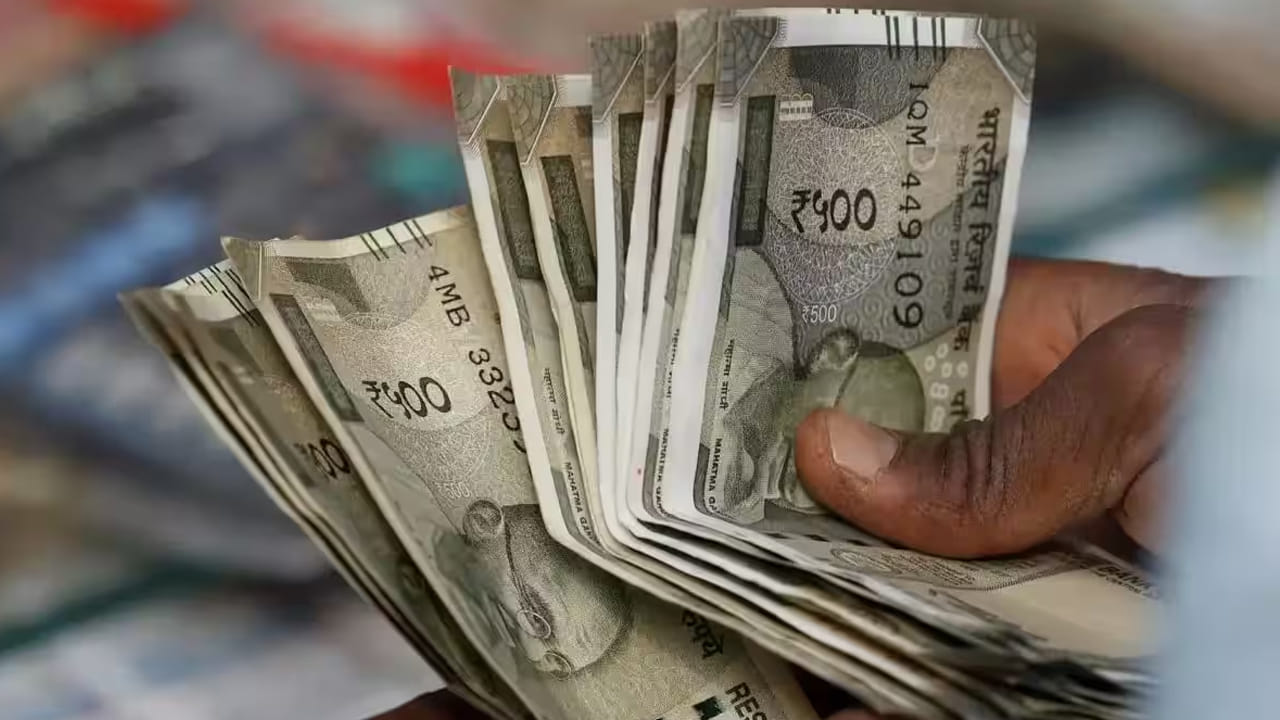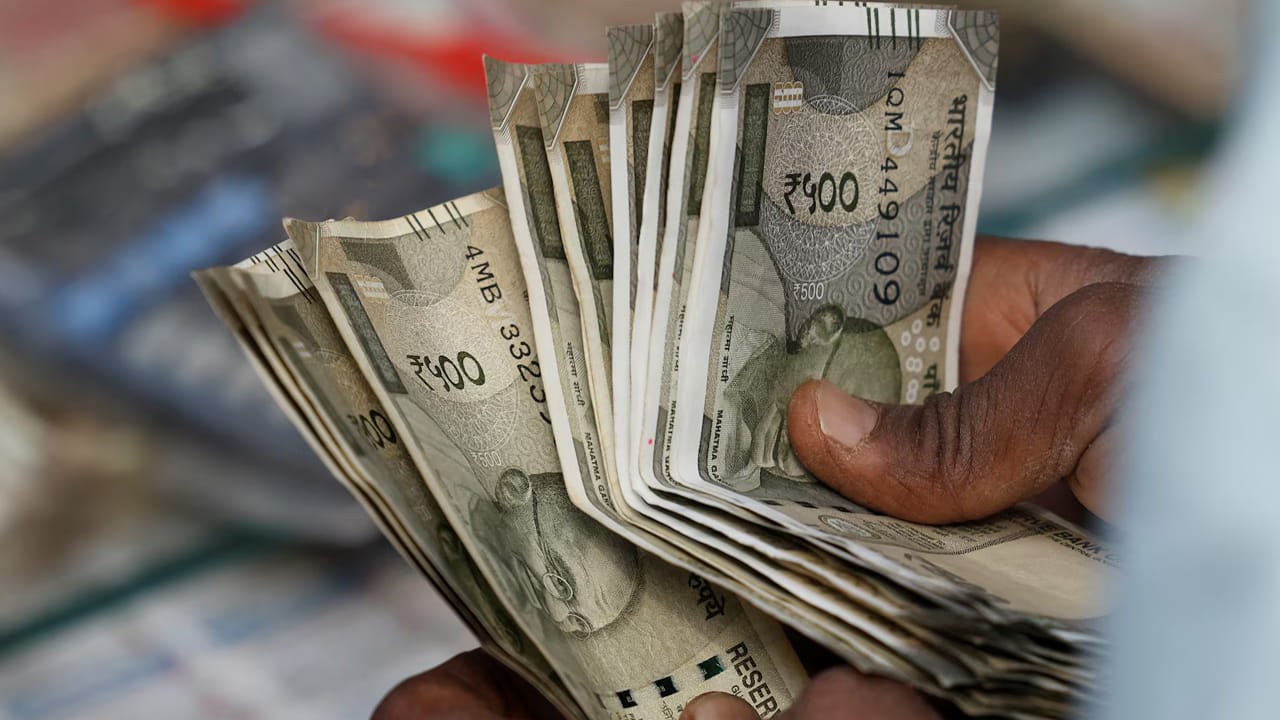
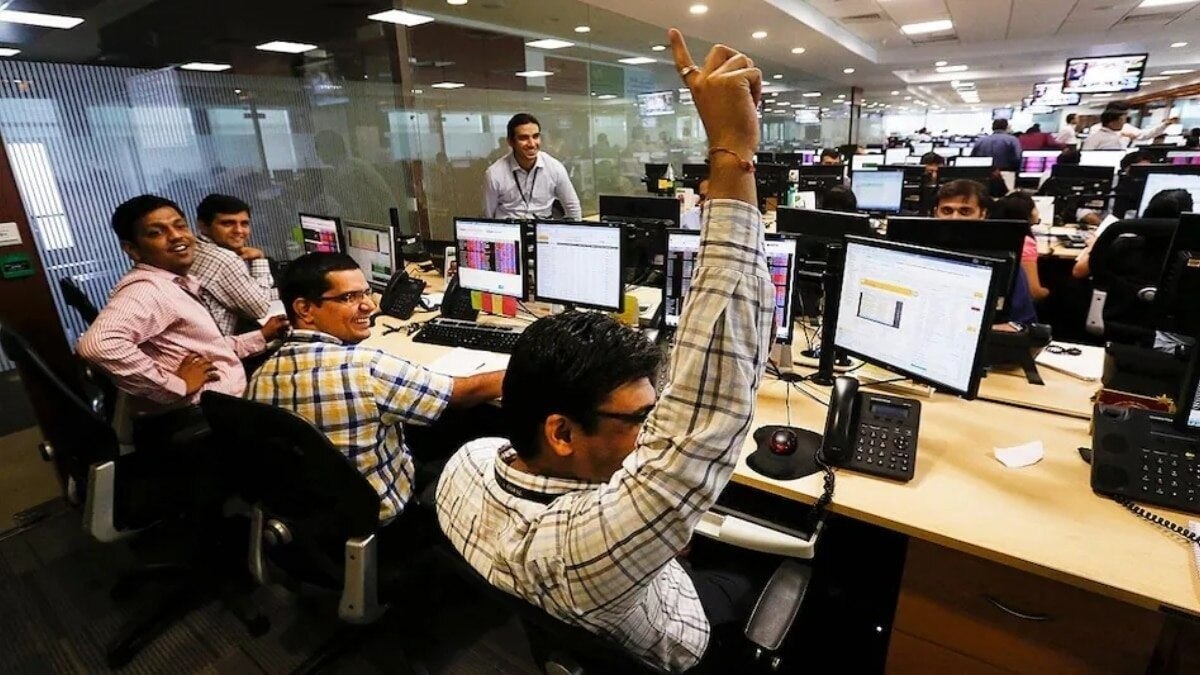
Foreign portfolio investors bought shares worth Rs 84,290 crore between November 2 and 13, and that buying has pushed Indian equities into their strongest run in months. The Nifty 50 gained around 10% in the first 15 days of November and is moving closer to its record high. The Sensex is back above 82,000.
The mood on Dalal Street has shifted. On Monday, November 16, the Sensex rose more than 600 points in early trade, and the Nifty moved above 25,300. The rise is not just about index numbers. Money is coming back into the market, and that is what has traders paying attention.
Consider the scale of the turnaround. Foreign investors had pulled out nearly Rs 70,704 crore in September and October combined. In November so far, they have bought close to $9 billion of domestic shares. According to market data going back to 2002, that is the largest monthly net inflow on record.
Why foreign money is coming back
For months, foreign investors were among the biggest reasons the market struggled. Now they are among the biggest reasons it is climbing. So what changed?
Some large-cap stocks have become more attractive after a long stretch of underperformance. Falling crude oil prices have also improved sentiment toward India, which imports a substantial share of its energy needs. Cheaper oil lowers the pressure on the import bill and gives the country more room to breathe.
There is also a global shift at work. Investors are rethinking how much they hold in expensive technology and artificial intelligence stocks. Some of that money is now flowing into other markets, and India is one of them.
The gains are visible in the heavyweights. Reliance Industries, HDFC Bank, ICICI Bank and State Bank of India have each gained between 12% and 16% during November, according to market data.
Dr VK Vijayakumar, Chief Investment Strategist at Geojit Investments Limited, says the return of foreign investors has changed the mood sharply.
The sustained aggressive buying by the FIIs has dramatically transformed the sentiments and mood in the Indian market.
He also pointed to India’s recent performance against other big markets. In the last one month, he noted, India has been the best performing large market, with returns of 9.4%. That beats the US, Japan and South Korea, which delivered negative returns over the same period. He expects more foreign money to chase the momentum.
Not everyone is convinced the buying will last. Vedant Gupte, Co-founder and CEO of Trackk, sees the latest activity as a tactical shift rather than a structural return. Falling crude prices and a rotation away from crowded AI trades are among the reasons behind it. Foreign investors can return when an opportunity looks attractive, but they can also sell quickly if global conditions change.
Earnings are giving the rally some backbone
Foreign money can push prices higher. But a rally that depends only on inflows is fragile. Companies also need to earn more and justify the prices their shares command.
Vijayakumar believes this rally has that support. He said capital inflows have fundamental backing from earnings growth that has come in much better than expected. According to his analysis, the Q2 results of 2,979 companies showed sales growth of 22.3% and earnings growth of 29.8%.
Those are strong numbers. The harder question is whether companies can keep up that pace over the next few quarters.
Domestic investors have also kept buying. Indian mutual funds received net equity inflows of Rs 32,994 crore in October, according to the Association of Mutual Funds in India. It was the 68th consecutive month of positive inflows, and monthly SIP contributions stood at Rs 32,160 crore. Even while foreign investors were selling, domestic money kept coming in, and that steady flow helped cushion the market.
Rising markets do not mean every stock is a bargain
A recovering index can hide a lot. Not every stock that has fallen is cheap, and not every stock that is rising deserves the price.
Some large caps look more attractive after months of selling. Valuations in parts of the mid-cap and small-cap space, however, still raise concerns. A stock that has already rallied sharply may have little room left to grow. If its earnings do not keep pace with its share price, buyers could end up holding an expensive stock.
Investors who plan to return should look past the Sensex and Nifty and ask a narrower question. Is the stock they are buying worth the price they are paying?
The risks that have not gone away
The mood has improved, but the risks have not disappeared. Crude oil is the first concern. India imports a large share of its oil, and a sharp rise in global prices could hit the import bill, inflation, the rupee and corporate margins.
Brent crude has fallen significantly since the start of November, which has brought some relief. Geopolitical tensions, including the US-Iran conflict and uncertainty over a possible agreement, could change that quickly.
Interest rates are another pressure point. Higher US bond yields can make American debt more attractive to global investors, which may pull money away from emerging-market equities. Vijayakumar expects strong corporate earnings to offset some of that pressure, including the expected rate hikes from the Federal Reserve and the Reserve Bank of India in December.
He does not expect a smooth ride. Profit booking by domestic institutional investors and worries about rising inflation are likely to limit the rally, he cautioned. Expect some red sessions along the way.
What investors should weigh before buying
There is no single answer for everyone. Investors who have been sitting on cash and those already holding shares face different decisions, but a few principles apply to both.
Start by avoiding the temptation to buy simply because prices are rising. A sharp rally can trigger fear of missing out, and that alone rarely makes a sound investment.
For long-term investors, the focus should stay on companies with solid businesses, manageable debt, healthy cash flows and a track record of growing earnings. Those already investing through SIPs do not need to abandon a long-term plan because the market has picked up. Investors with a large sum of cash waiting to be deployed may consider staggering their entries rather than investing everything at one level.
For stock pickers, recent performance should be the starting point, not the conclusion. Check earnings, debt and valuations before buying. A rising share price does not automatically make a good investment.
Vijayakumar remains positive about the near term. In the near term, he said, the direction of the market appears to be north-bound.
Enjoy the rally, but be selective
Dalal Street has given investors reasons to cheer after months of disappointment. Foreign money is returning, earnings are improving and domestic investors continue to provide support. The case for optimism is real.
The case for selectivity is just as real. If you missed the rally, there is no need to rush and chase it. If you are already invested, do not let every up or down day dictate your next move. The bigger mistake now may not be missing another 500-point jump in the Sensex. It could be buying an overpriced stock because everyone else seems to be making money.
TL;DR
- Foreign investors bought about $9 billion of Indian shares in November so far, the largest monthly net inflow in data going back to 2002.
- The Nifty 50 gained around 10% in the first 15 days of November and moved above 25,300 on November 16.
- Q2 results of 2,979 companies showed sales growth of 22.3% and earnings growth of 29.8%, according to one strategist’s analysis.
- Domestic mutual funds drew Rs 32,994 crore in net equity inflows in October, the 68th straight month of positive inflows.
- Analysts warn that crude oil prices, US bond yields and mid-cap valuations could still derail the rally.